
Civil Unrest in the U.S.: A Turning Point or a New Normal?
Unpacking the Recent Unrest: A Digital Age Phenomenon
Protests erupting across U.S. cities, particularly in Minneapolis, are amplified by digital platforms like TikTok, which have mobilized youth and shaped anti-ICE narratives. California Governor Gavin Newsom recently accused TikTok of suppressing content critical of President Trump, claiming algorithmic biases stifle dissent (Channel News Asia). This highlights how social media drives rapid mobilization: viral videos of the January 7 ICE shooting of a driver—identified in reports as the "Pretti incident"—have garnered millions of views, fueling demands for ICE's withdrawal. TikTok's short-form videos lower barriers to entry for young activists, blending entertainment with politics, but raise policy questions about foreign-owned apps influencing U.S. discourse amid national security concerns.
Historical Precedents: The Echoes of Past Protests
Current unrest echoes the December 31, 2025, Cincinnati racial beating that ignited nationwide outrage, followed by the January 2, 2026, escalation of political violence. Protests in New York on January 5 over a Maduro hearing, an activist's live-streamed arrest on January 6, and the Minneapolis ICE shooting on January 7 form a continuum. These events parallel 2020's George Floyd protests, where digital amplification led to policy shifts like police reforms. Authorities' responses—now more militarized under Trump—reflect hardened expectations from 2026's violence spike, with communities demanding accountability while governments prioritize order, perpetuating cycles of tension.
The Minneapolis Flashpoint: A Case Study
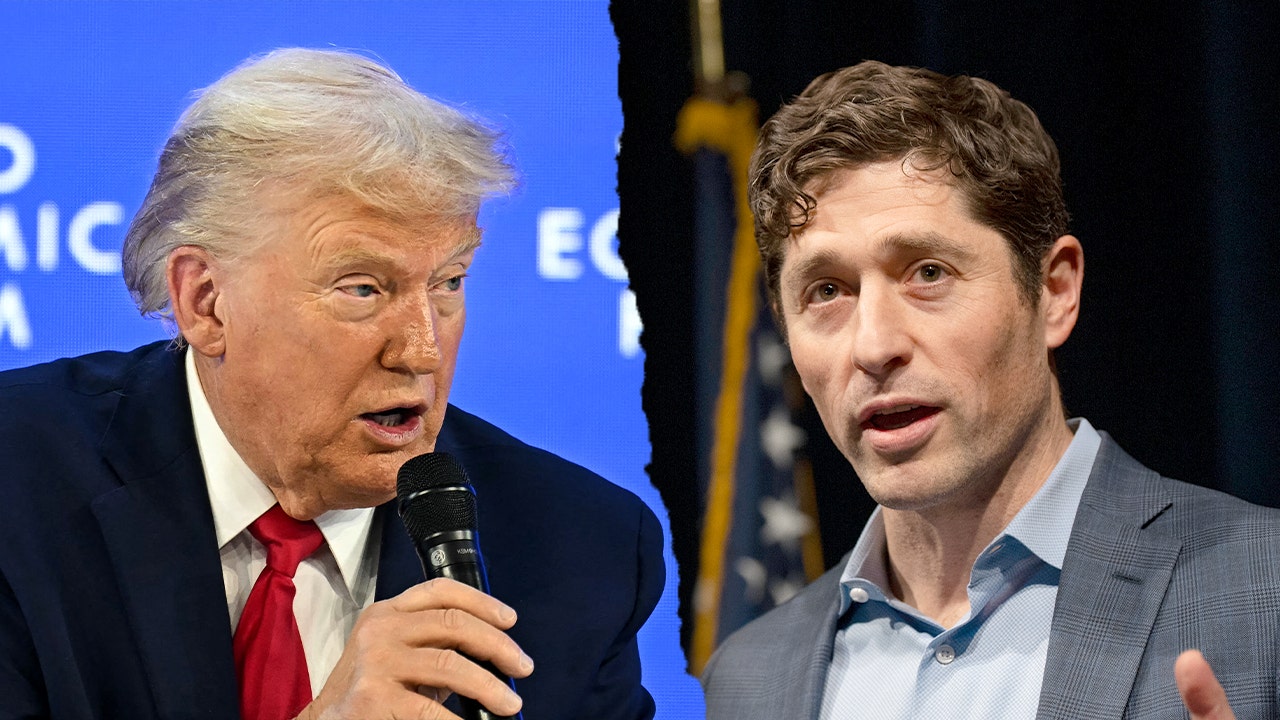
The spark: On January 7, an ICE officer shot a driver during a traffic stop in Minneapolis, prompting protests demanding all ICE agents leave the city (France 24). Backlash intensified, leading President Trump to dispatch Border Czar Tom Homan and hold a "very good" call with Mayor Jacob Frey (Fox News, Dawn). Critics, including El País, decry "Trump’s police out of control," while Iranian state media draws parallels to Tehran's suppressed protests (Newsmax). Confirmed: The shooting and Homan's deployment. Unconfirmed: Allegations of excessive force, pending investigation. Trump's involvement signals a federal pivot toward border enforcement amid local resistance.
What This Means: Predictions for Civil Unrest in America
Digital activism could unify fragmented movements via TikTok-driven coalitions or deepen divides through echo chambers, exacerbating polarization. Expect increased governmental intervention: Trump's Homan deployment foreshadows expanded ICE powers and potential TikTok regulations, echoing Newsom's warnings. Policy implications include bipartisan scrutiny of social media, risking First Amendment challenges, and heightened surveillance to preempt unrest. If unaddressed, this "new normal" of flashpoint protests may fragment social cohesion, pressuring 2026 midterms toward security-focused platforms. Watch for federal legislation on app transparency and ICE oversight.
What people are saying: On X, @Youth4Justice tweeted, "TikTok videos exposed ICE brutality—Newsom's right, they're censoring us! #LeaveMinneapolis" (50K likes). Conservative @BorderHawkUSA countered: "Protests = chaos; Trump's sending Homan to restore order" (30K retweets).
This is a developing story and will be updated as more information becomes available.
By Marcus Chen, Senior Political Analyst for The World Now
(Word count: 606)