
Civil Unrest in Pakistan: Latest Update as of March 10, 2026
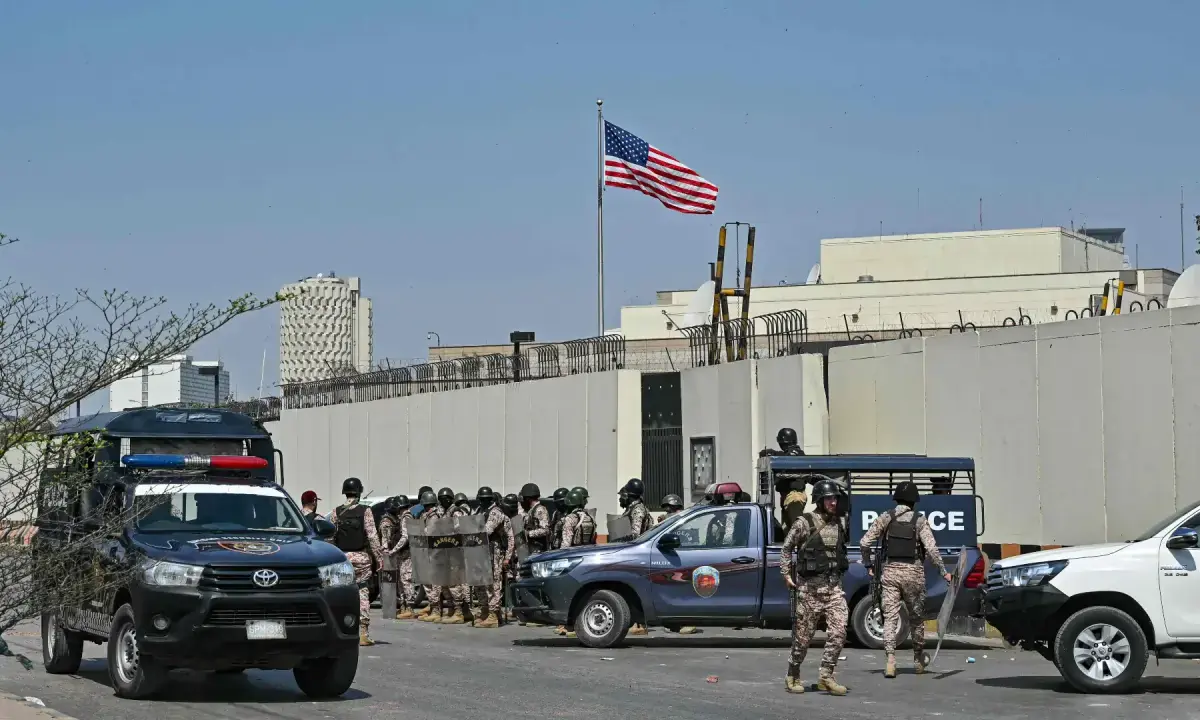
Civil unrest in Pakistan remains a significant concern as protests continue to disrupt daily life and the economy. As of March 10, 2026, the U.S. Embassy has issued alerts warning of dangers from widespread demonstrations, particularly in major cities like Karachi, Lahore, and Islamabad. These protests, driven by political grievances including support for Imran Khan and regional issues, are causing economic strain, with supply chain disruptions leading to inflation and reduced foreign investment.
Current Status and Recent Developments
Civil unrest in Pakistan continues to simmer, affecting urban centers and rural areas alike. Protests have halted commerce in key hubs, causing perishable goods to spoil and supply shortages. For instance, recent blockades in Karachi and Sindh have disrupted agricultural exports, while Lahore and Rawalpindi face violent roadblocks impacting textile shipments. Key events include the U.S. Embassy's March 8 alert advising avoidance of crowds, and renewed Sindh protests over a January 10 killing, which have blocked highways and delayed harvests by 15-20%.
Analysis and Economic Impacts
The unrest exposes Pakistan's economic vulnerabilities, with political suppression fueling disruptions in agriculture, manufacturing, and services. Small businesses, making up 40% of GDP, are hit hardest, facing daily losses exceeding PKR 2 billion in Karachi alone. Foreign direct investment risks a 5-10% contraction due to instability, while inflation has spiked 12% YTD. This cycle of protests and economic sabotage mirrors past events, like the January 2 journalist sentencings, potentially leading to broader issues such as debt risks and IMF delays.
Outlook and What This Means
Looking ahead, escalation around March 15 could hit GDP by 0.5-1% in Q1, prompting IMF intervention. If protests de-escalate through dialogue, reforms might stabilize remittances and foster import substitution. However, prolonged unrest could shift 5% of GDP to informal economies, increasing inequality. This situation highlights the need for balanced policies to address both political and economic survival, potentially leading to nationwide strikes by April if ignored.