Civil Unrest in Iran: The Role of Ethnic Minorities in Shaping the Future

Latest from X
Civil Unrest in Iran: The Role of Ethnic Minorities in Shaping the Future
Overview of the Current Situation
Iran is currently experiencing significant civil unrest, with protests erupting across the nation as citizens express their discontent with the regime. Ethnic minorities, including Kurds, Azeris, Baloch, Arabs, and Lurs, play a crucial role in this movement, driven by historical grievances and a desire for political representation. As the protests continue, the involvement of these groups may shape the future of Iran's political landscape.
The Ethnic Tapestry of Iran's Protests
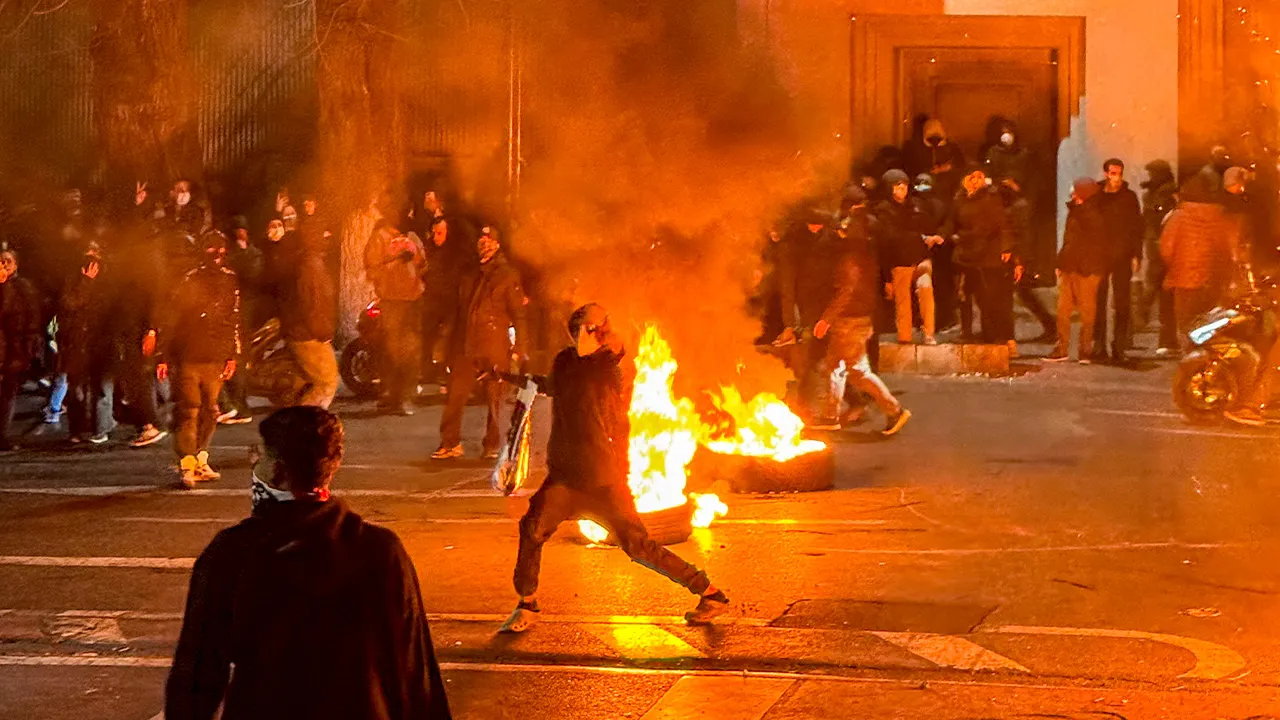
Iran's population of over 85 million includes significant ethnic minorities—Kurds (10%), Azeris (16%), Baloch (2%), Arabs (2%), and Lurs—who have long faced marginalization by the Persian-dominated regime. Historical grievances over cultural suppression, economic neglect, and political exclusion have fueled their participation in the ongoing unrest. Posts on X highlight protests in minority strongholds like Zahedan (Baloch), Kermanshah (Kurds), Urmia (Azeris), and Ahvaz (Arabs), suggesting a rare unification against shared oppression. This cross-ethnic mobilization, chanting "Death to Khamenei," amplifies the movement's reach beyond urban centers.
Historical Context: A Timeline of Discontent
Protests erupted on January 1, 2026, targeting Supreme Leader Ali Khamenei amid economic collapse and hyperinflation. By January 2, the Foreign Ministry accused foreign interference; January 4 saw 16 deaths in crackdowns. On January 7, protesters in Tehran renamed a street for Donald Trump, signaling desperation for external support. By January 9, unrest spread nationwide. These events echo the 2019-2022 uprisings, where ethnic minorities led regional revolts, shaping tactics like internet blackouts and pro-Shah slogans now evident on X.
State Responses: Crackdown vs. Dialogue
The regime has deployed riot police in Tehran and border areas, arresting over 3,000 according to state TV, with reports of pellet gunfire and internet shutdowns. Rights groups document dozens of deaths—unconfirmed claims on X and some outlets suggest higher tolls, up to thousands. Unlike limited dialogue in past protests, Friday prayers have called for executions, hardening the stance. This escalation risks alienating minorities further, unlike 2022's targeted suppressions.
The Global Perspective: International Reactions and Implications
Human Rights Iran urged the UN Security Council to take action amid the "deadly crackdown." Trump warned of U.S. readiness, while prayer leaders decried foreign meddling. Western outlets report subsiding protests, but border violence persists. Foreign condemnation could embolden minorities, yet sanctions may exacerbate economic woes driving unrest, altering the movement's global leverage.
Looking Ahead: Predicting the Future of Civil Unrest in Iran
Ethnic solidarity could escalate protests into a federalist push, destabilizing the regime if minorities control key provinces. Conversely, sustained crackdowns—now easing unrest per rights groups—might fracture unity through fear. International pressure or Trump's rhetoric could tip scales; de-escalation hinges on concessions, unlikely given current rhetoric. Watch for minority-led strikes or regime amnesties by late January.
What This Means
The ongoing unrest in Iran, particularly driven by ethnic minorities, suggests a potential shift in the political landscape. If these groups can maintain their unity and leverage international support, they may challenge the regime more effectively. However, the regime's brutal response could also lead to further fragmentation among the protesters. The coming weeks will be critical in determining the trajectory of this unrest and its implications for Iran's future.
(Word count: 600)
Track this story live
Original Sources
- •
- •
- •
- •
- •
- •
- •
- •
- •Iran protest movement subsides in face of 'brutal' crackdown— channelnewsasia
- •
Editorial process: This article was synthesized from the original sources cited above using The World Now's AI editorial system, with byline accountability from our editorial team. We grade every story for source grounding, factual coherence, and on-topic match before publication. Read more about our editorial standards and contributors. Spot something inaccurate? Let us know.
Last updated: March 6, 2026