
Civil Unrest Grips India: Woman Constable Assaulted in Chhattisgarh Anti-Mining Protest Amid Ongoing Manipur Probes
Raigarh, Chhattisgarh/New Delhi — Tensions flared in India's Chhattisgarh state during an anti-mining protest on January 2, 2026, where a woman constable was brutally attacked, stripped, and filmed by protesters, prompting the arrest of two men and sparking road blockades by villagers. In a separate but related flashpoint of national unrest, the Supreme Court of India ordered a forensic probe into voice recordings linked to former Manipur Chief Minister N. Biren Singh amid the state's protracted ethnic violence.
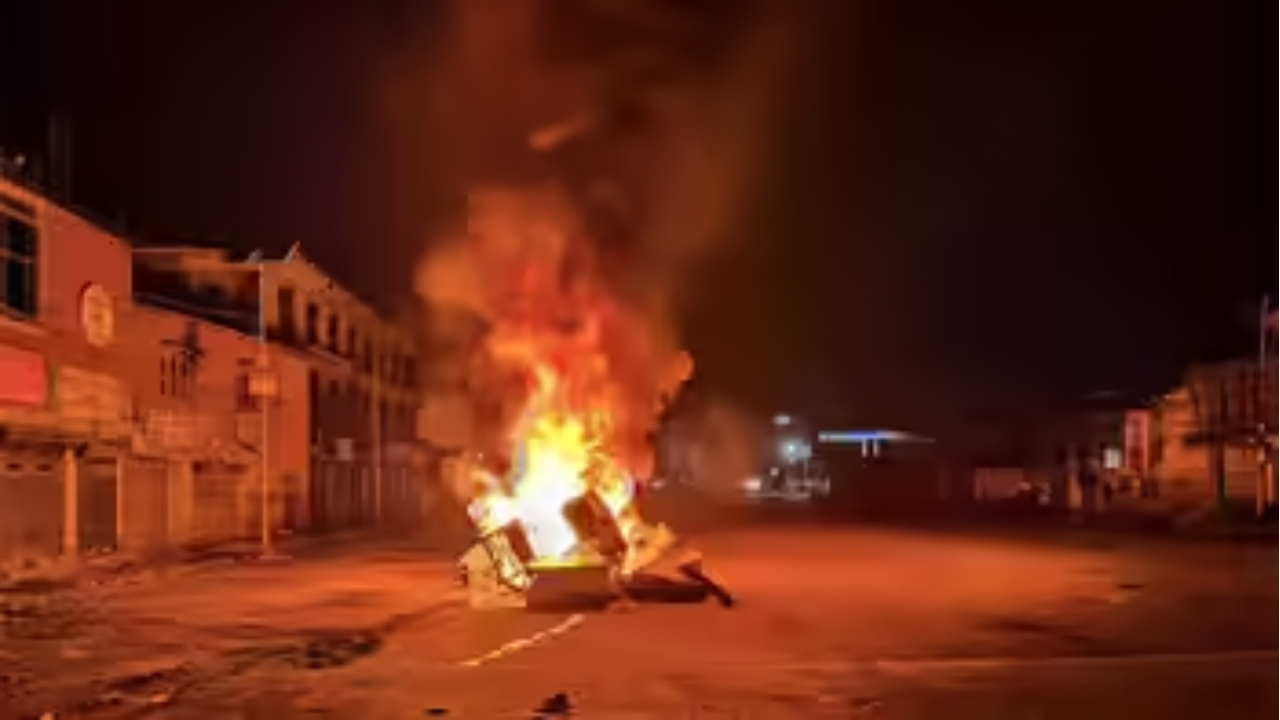
The Raigarh incident unfolded in Chhattisgarh's tribal heartland, a region long plagued by disputes over mining operations. During the protest against mining activities—likely centered on environmental degradation, land rights, and displacement issues—a woman police constable became the focal point of violence. According to reports, she was assaulted, her uniform torn off, and the attack was captured on video, which quickly circulated online. This led to immediate police action, with two men arrested in connection with the assault. The confrontation escalated as local villagers clashed with security forces, blocking roads and heightening standoffs between demonstrators and authorities. The event, rated as high severity, underscores the volatile atmosphere in mineral-rich eastern India, where such protests have historically disrupted operations and drawn national attention.
Chhattisgarh, particularly Raigarh district, has been a hotspot for anti-mining agitation for years. The state is one of India's top coal producers, with companies like Coal India Ltd. operating extensively. Tribal communities, who form a significant portion of the population, have repeatedly protested against alleged illegal mining, forest land encroachment, and inadequate rehabilitation. Similar incidents in the past, such as the 2011 protests in Raigarh against Adani Group's operations, resulted in police firings and court interventions. The January 2 attack on the constable has intensified calls for stronger security measures and dialogue, though no official statements on casualties or further arrests were immediately available.
Meanwhile, in the northeastern state of Manipur, judicial scrutiny deepened into the roots of ethnic violence that has simmered since May 2023. On January 8, 2026, the Supreme Court directed a forensic examination of "available voice recordings" purportedly involving ex-Chief Minister N. Biren Singh, who resigned amid allegations of bias in handling clashes between the majority Meitei community and the Kuki-Zo tribal groups. The violence has claimed over 250 lives, displaced tens of thousands, and led to widespread arson, sexual assault cases, and internet blackouts. The court's order aims to verify the authenticity of these recordings, which have been cited in claims of incitement or mismanagement by state leadership.
Manipur's unrest traces back to disputes over affirmative action policies, land rights, and demographic shifts, erupting into full-scale conflict in 2023. The central government deployed thousands of paramilitary forces, and Singh's ouster in 2025 marked a turning point, but sporadic violence persists. The Supreme Court's intervention follows earlier directives, including supervised investigations into atrocities like the viral video of two women being paraded naked in May 2023. Legal experts note that forensic analysis could provide crucial evidence in ongoing probes by the Central Bureau of Investigation (CBI) and provide closure to victims.
These incidents highlight a broader pattern of civil unrest across India, fueled by resource conflicts, ethnic divides, and governance challenges. In Chhattisgarh, mining-related protests have surged alongside Naxalite insurgencies in adjacent areas, complicating law enforcement. Nationally, 2025-2026 has seen heightened activism, from farmers' agitations in northern states to labor strikes, amid economic pressures and upcoming elections.
Authorities in Raigarh have yet to release a detailed timeline or victim statements, but the incident has prompted reinforcements and potential inquiries. In Manipur, the forensic probe—expected to involve independent labs—could take months, with the court emphasizing urgency. As India navigates these flashpoints, calls grow for federal mediation to prevent escalation, drawing on precedents like the 2008 anti-POSCO protests in Odisha or the 2020-2021 farmers' movement.
The dual developments serve as a reminder of India's complex socio-economic fault lines, where local grievances can rapidly nationalize through social media and judicial oversight. Monitoring agencies report no immediate links between the Chhattisgarh and Manipur events, but they amplify concerns over police safety and protest management in a federal democracy.
(Word count: 612)






