
Civil Unrest Escalates in Iran Amid Economic Turmoil and Government Crackdown
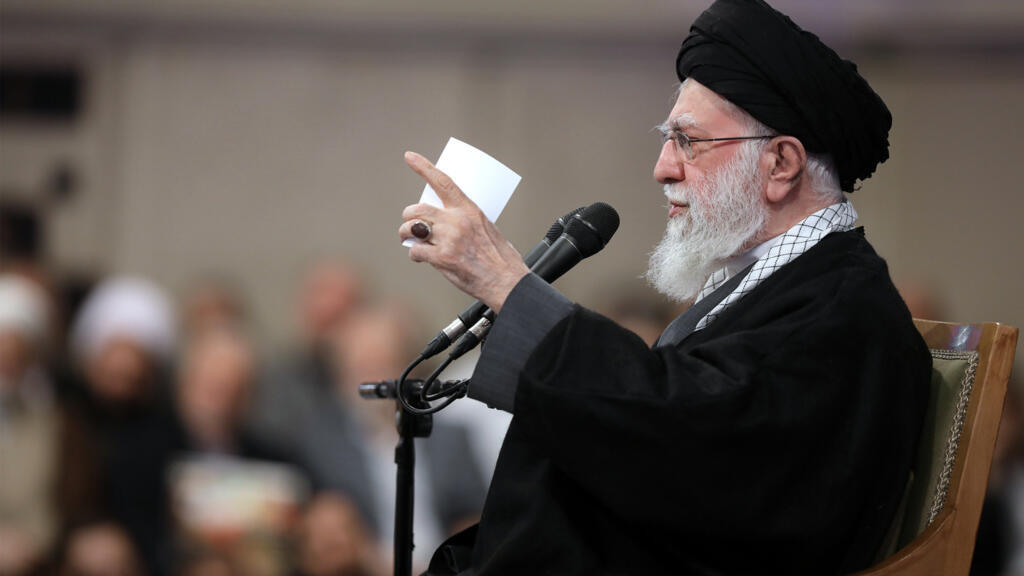
Protests in Iran have intensified over the past week, with the Iranian Foreign Ministry expressing support for the demonstrators amid a surge of civil unrest. As of January 3, at least ten people have reportedly died in the protests, which have been fueled by widespread frustration over economic conditions. The unrest has prompted a strong response from the Iranian government, with Supreme Leader Ayatollah Ali Khamenei condemning the protests and calling for a crackdown on "rioters."
The protests began on January 2, 2026, and have quickly spread across the nation. Demonstrators, including shopkeepers and various groups, have taken to the streets to voice their anger over deteriorating economic conditions, including inflation and unemployment. Khamenei acknowledged the country's economic turmoil for the first time, indicating a significant shift in the official narrative surrounding the crisis. In a statement on January 3, he emphasized that "rioters must be put in their place," reflecting a hardline stance against the growing dissent.
The Iranian government has also issued a warning against any foreign intervention regarding the protests, threatening a “swift, comprehensive” response. This statement underscores the regime's sensitivity to external influences that could exacerbate the situation. As the protests gain momentum, the government appears increasingly alarmed, with reports of elite officials seeking to relocate assets abroad amidst fears of further unrest.
In addition to the fatalities reported, clashes between protesters and security forces have led to injuries among both groups. The Iranian security apparatus has been deployed in large numbers to quell the demonstrations, which have been marked by sporadic violence. The protests are seen as a culmination of long-standing grievances related to economic mismanagement, corruption, and political repression.
The situation in Iran is fluid, with numerous cities witnessing protests. Activists have called for solidarity and support for the protesters, urging the international community to pay attention to the unfolding crisis. Meanwhile, the government's crackdown on dissent raises concerns about potential human rights abuses.
As the protests continue, the Iranian Foreign Ministry’s unexpected support for demonstrators adds a complex layer to the unfolding events. It remains unclear how this internal division within the government will play out, especially as hardline elements push for a violent response to the unrest.
The economic situation in Iran, characterized by high inflation and rampant unemployment, has become a critical issue fueling public discontent. This is compounded by the international sanctions that have severely impacted the Iranian economy, leading to widespread hardship among the population.
In conclusion, Iran is currently facing a significant challenge as civil unrest persists amid economic turmoil. The government's response, particularly Khamenei's hardline statements and the military's involvement in suppressing protests, will likely shape the future of public dissent in the country. The coming days could be pivotal as the Iranian leadership navigates the complexities of domestic discontent while attempting to maintain control over a volatile situation.
As the situation evolves, it is essential to monitor developments closely, given the potential implications for regional stability and international relations.