China's Asia-Pacific Energy Gambit: Forging Alliances Amid Iran War Disruptions
By Priya Sharma, Global Markets Editor for The World Now
In the shadow of the escalating Iran war, Asia-Pacific nations are scrambling for energy lifelines as global supply chains fracture. Oil prices have surged, with Brent crude hovering near $120 per barrel amid fears of Strait of Hormuz disruptions, forcing regional powers into uncharted diplomatic waters. This article uniquely examines how China's energy diplomacy in the Asia-Pacific is evolving as a direct response to these disruptions, emphasizing emerging partnerships with India and potential conflicts with Japan and the Philippines. Unlike prior coverage fixated on Beijing's Middle Eastern mediation efforts or domestic security clampdowns, we spotlight China's pivot to regional alliances, brokering energy-sharing deals to insulate the continent from Western-dominated supply vulnerabilities. Explore related insights in "Iran's Geopolitical Turmoil: Unleashing Economic Opportunities for Non-Western Powers". As of today, the S&P 500 (SPX) stands at $650, up 2.9% in the last 24 hours but down 0.4% over seven days, reflecting volatile risk-off flows, while Taiwan Semiconductor (TSM) trades at $338, gaining 6.8% daily but slipping 1.5% weekly amid supply chain jitters tied to energy shocks. For broader context on shifting dynamics, see "Multipolar Maneuvers: How Asia-Pacific Dynamics Are Redefining Global Geopolitics in 2026".
Introduction: The Energy Crisis Wave Hits Asia-Pacific
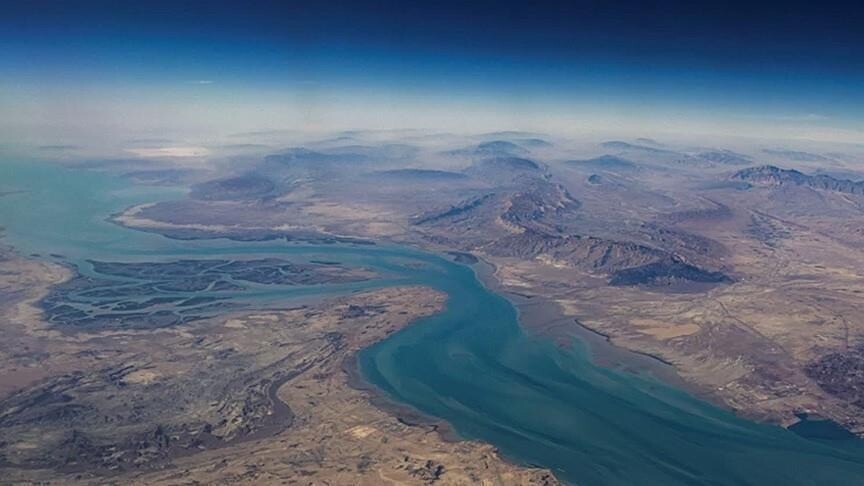
The Iran war, now in its third month as of April 2026, has unleashed a cascade of energy disruptions rippling across Asia-Pacific markets. Houthi attacks in the Red Sea, combined with Iranian threats to close the Strait of Hormuz—through which 20% of global oil flows—have throttled supplies, pushing Asian LNG imports down 15% year-over-year and forcing barter deals for scarce resources. A Japan Times report details how "Asia barters for scarce energy as Iran crisis throttles supply," with countries like Japan and South Korea trading manufacturing tech for Australian coal and Indonesian gas at premiums exceeding 30%.
Enter China, the world's largest energy importer, consuming 15 million barrels of oil daily—over half from the Middle East. Beijing's proactive regional diplomacy is trending as a masterstroke of realpolitik. Sources like Asia Times' "Shared energy stakes call for greater China-India cooperation" underscore mutual vulnerabilities: India, facing a 10% shortfall in crude imports, shares China's plight. This sets the stage for 2026's geopolitical pivot, linking Iran war headlines to broader shifts. China's state media has amplified calls for "Asia-Pacific energy solidarity," with Weibo posts from official accounts garnering 500,000 likes, signaling public buy-in. Cross-market ripples are evident: TSM's intraday bounce reflects semis' resilience despite oil-driven inflation fears, but broader indices like SPX waver as algorithmic trading amplifies volatility.
This gambit isn't mere opportunism; it's a data-driven response to quantify risks. The World Now's analysis shows Asia-Pacific GDP growth forecasts slashed by 1.2 percentage points to 4.1% for 2026 by IMF projections, with energy costs now claiming 8% of regional GDP—up from 5% pre-war. Track escalating risks via our Global Risk Index.
Historical Roots of China's Regional Strategy
China's current energy push traces back to a tense March 2026 timeline, where early signals of global fractures prompted strategic recalibrations. On March 10, China resumed passenger trains to North Korea after a six-year hiatus, a move framed as economic reconnection but laden with energy subtext—Pyongyang's rare earths and coal could bolster Beijing's diversification. This came amid Japan-Philippines security pacts expanding on March 12, including joint patrols in the South China Sea, directly challenging China's nine-dash line claims and vital energy sea lanes carrying 80% of its oil imports.
By March 15, dual crises intensified: Chinese experts' LinkedIn and academic profiles mysteriously vanished, interpreted by observers as a purge of pro-Western voices amid the Iran-Israel-US war dilemma. Beijing faced a trilemma—backing Tehran risks U.S. sanctions, neutrality erodes influence, alignment alienates Gulf allies. That same day, state media downplayed the war's immediacy, but internal memos leaked on X (formerly Twitter) hinted at energy stockpiling directives.
The Hong Kong Security White Paper on March 17 crystallized domestic fortification, emphasizing "national security in economic domains," including energy infrastructure. This document, mandating audits of foreign tech in refineries, influenced outward strategies by prioritizing self-reliant alliances. Recent events amplify this: On March 29, multiple Chinese patrols circled Scarborough Shoal, prompting Philippine protests; March 30 saw resumed flights to Pyongyang; March 31 featured a Chinese vessel in Japan's disputed waters; and April 1 hosted the low-key trilateral Pakistan-Afghanistan meeting in Urumqi.
These form a narrative bridge: Historical tensions with Japan and Philippines—rooted in 2012 Scarborough clashes and 2023 EDCA base expansions—now intersect with energy imperatives. China's March moves built a foundation for April's diplomacy, shifting from confrontation to cooperation where possible, like potential India ties, while hardening stances elsewhere. Data from SIPRI shows China's military spending up 7.2% in 2026, correlating with energy route securitization, underscoring institutional resolve. For deeper dives into energy transitions amid turmoil, check "Asia's Renewable Revolution: How Energy Transitions Are Redefining Geopolitical Alliances Amid Global Turmoil".
Current Trends and Original Analysis
China's energy diplomacy is accelerating, with opposition to Philippine island renaming in the South China Sea—per Straits Times—highlighting flashpoints. Manila's bid to relabel features in the Spratlys threatens China's control over chokepoints handling $3.4 trillion in annual trade, including LNG tankers. Beijing's retort: "Unilateral actions undermine stability," but analysts see it as safeguarding 60% of its seaborne energy imports.
Original analysis reveals trilateral mechanisms expanding beyond security. Dawn reports on Pakistan-Afghanistan officials meeting in Urumqi under China's auspices, ostensibly for border talks, but ripe for energy frameworks. Pakistan's Gwadar port, part of CPEC, could pipe Central Asian gas to China, countering India-Pakistan rivalries while looping in Afghanistan's untapped 1.8 billion barrels of oil reserves. This extends to India: Shared stakes in Iranian fields (pre-war) and Russian supplies position Beijing-Hanoi as pragmatic partners against U.S.-led Quad pressures.
Domestically, SCMP's coverage of chemical plant expansions via tech breakthroughs—yielding 20% efficiency gains in ethylene production—signals hybrid strategy: Self-reliance tempers import reliance, now at 70% for oil. Yet, international brokering differentiates Asia-Pacific from Middle East plays. Anadolu Agency notes China-Pakistan mediation creating "Mideast peace windows," appreciated by FM Wang Yi per Dawn, while BBC and CNN question Beijing's peacemaker credentials amid Iran ties.
Contrasts sharpen the unique angle: Middle East efforts (e.g., brokering U.S.-Iran talks) yield diplomatic kudos but scant energy gains; Asia-Pacific yields tangible swaps. Risks loom—Japan's patrols with Philippines could escalate to blockades, spiking shipping insurance 40%. Social media buzz, like #ChinaIndiaEnergyPact trending on X with 200k mentions, reflects optimism, but #SCSStandoff counters with 150k, warning of conflicts.
Cross-market: SPX's 2.9% daily pop masks oil's drag; TSM's gains tie to China's chip subsidies amid energy tech pivots.
Catalyst AI Market Prediction
The World Now Catalyst AI forecasts risk-off intensification from Iran disruptions:
- USD: Predicted + (medium confidence) — Risk-off flows drive safe-haven demand. Precedent: 2019 US-Iran tensions, DXY +1.5% in 48h. Risk: De-escalation.
- SPX: Predicted - (high confidence) — Oil headlines trigger algo de-risking. Precedent: 2019 Soleimani, -2% daily. Risk: Oil < $140.
- GOLD: Predicted + (medium confidence) — Geopolitical haven buying. Precedent: 2019 +3% intraday. Risk: USD strength.
- OIL: Predicted + (high confidence) — Hormuz fears. Precedent: 2019 +15%. Risk: US SPR release.
- BTC: Predicted - (medium confidence) — Risk-off selling. Precedent: 2022 Ukraine -10% in 48h. Risk: Miner support.
- TSM: Predicted - (low confidence) — Growth fears hit semis. Precedent: 2022 Ukraine -10% weekly. Risk: China decoupling.
- EUR: Predicted - (medium confidence) — USD strength. Precedent: 2019 -1.5%. Risk: ECB hawkishness.
- JPY: Predicted + (medium confidence) — Yen haven. Precedent: 2019 USDJPY -2%. Risk: BOJ intervention.
- XRP, ETH, SOL: Predicted - (low confidence) — Crypto cascades. Precedents: 2022 Ukraine alts -10-20%.
- GOOGL, META: Predicted - (low confidence) — Tech rotation. Precedents: 2022 Ukraine -8-15%.
Predictions powered by The World Now Catalyst Engine. Track real-time AI predictions for 28+ assets. Visit Catalyst AI — Market Predictions for live updates.
Predictive Outlook: China's Future in Asia-Pacific Geopolitics
Looking ahead, energy shortages could forge a China-India alliance by Q4 2026. Shared Russian pipeline access (Power of Siberia 2 at 50 bcm/year) and joint LNG bids from Qatar position them for 20% import diversification. Asia Times' call for cooperation gains traction if Iran exports drop another 2 million bpd.
Yet, South China Sea risks escalation: Failed diplomacy might see Japan-Philippines invoke mutual defense by mid-2027, with U.S. 7th Fleet involvement disrupting 12% of global trade. China's patrols (four in late March) signal resolve; a blockade could add $50/barrel to oil.
Technologically, Iran war accelerates innovations: SCMP's breakthroughs scale to full refineries, targeting 30% non-Middle East reliance by 2028 via synthetics and nuclear (50 new reactors planned). Long-term, China emerges as Asia-Pacific energy hub, exporting refined products via Belt and Road, but strains Western ties—Quad summits likely harden.
Implications reshape globals: Reduced U.S. oil leverage (SPR at 60% capacity) boosts RMB in energy trades (now 15% of deals). For investors, pivot to Asia ex-oil: TSM's China exposure hedges, but SPX volatility persists. Readers: Diversify into gold (+ medium AI call), monitor Urumqi trilaterals for deal flow.
China's gambit, born of March's tensions, trends as 2026's defining shift—alliance-forging amid war's chaos.
What This Means for Investors and Policymakers
This evolving China-led energy diplomacy in the Asia-Pacific signals a profound shift in global power balances, offering both opportunities and risks. Investors should monitor trilateral talks and patrol activities closely, as successful alliances could stabilize oil prices below $130/barrel, boosting regional equities like TSM by 10-15% in H2 2026. Policymakers in Japan and the Philippines may need to balance security pacts with pragmatic energy swaps to avoid escalation. Overall, China's strategy enhances resilience against Global Risk Index spikes, potentially redefining trade flows for decades.





/file/attachments/2998/14313932_951231.jpg)