
China and African Union Issue Joint Call for Rules-Based Global Order from Ethiopia, Citing US Raid on Venezuela
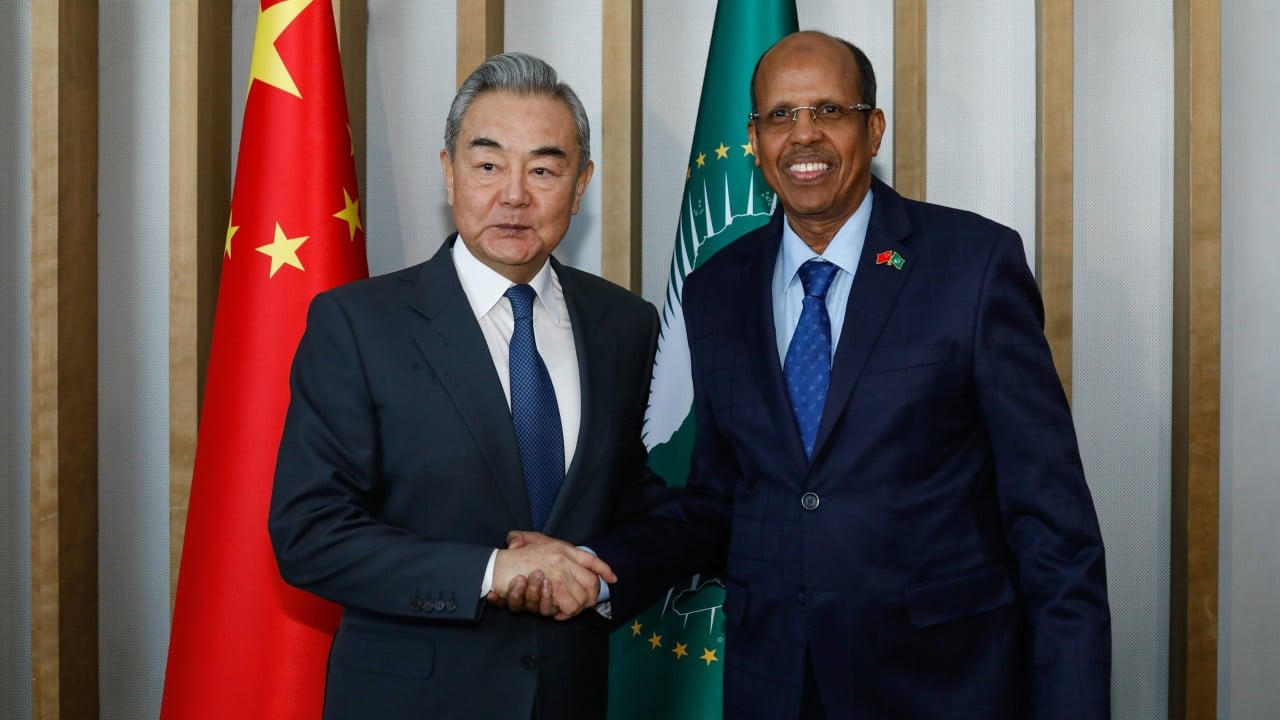
ADDIS ABABA, Ethiopia — Chinese Foreign Minister Wang Yi and African Union (AU) Commission chief Mahmoud Ali Youssouf issued a joint statement on Thursday calling for a rules-based international order that upholds sovereignty and territorial integrity, in a pointed reference to a recent US military raid on Venezuela. The meeting, held in Ethiopia's capital where the AU is headquartered, marked the opening of Wang's multi-nation Africa tour and underscored Beijing's deepening diplomatic outreach on the continent amid escalating global tensions.
The statement, released following discussions between the two leaders, expressed "concerns" over the United States' raid on Venezuela, which occurred on Saturday and reportedly resulted in the abduction of the South American nation's leader. While specifics of the operation remain contested, it has drawn widespread international condemnation and highlighted fractures in global governance. "We call for the upholding of an international law-based order, with particular respect for sovereignty and territorial integrity," the joint communiqué stated, according to reports from the South China Morning Post.
This development comes as China intensifies its engagement with African institutions, positioning itself as a champion of multilateralism against perceived Western unilateralism. Wang Yi's visit to Ethiopia is the first stop on a tour that aims to strengthen bilateral ties and advance shared interests in global affairs. The Ethiopian meeting venue is symbolically significant, as Addis Ababa has long served as the political heart of the African continent, hosting the AU's headquarters since 2002 and facilitating high-level diplomacy on issues ranging from peacekeeping to economic development.
Diplomatic Context and Regional Implications
The joint call reflects a broader pattern of Sino-African alignment on international norms. China has historically emphasized the principles of non-interference and respect for sovereignty in its foreign policy, principles echoed in AU charters. This stance gains added resonance amid ongoing geopolitical rivalries. The US raid on Venezuela—described in reports as a Saturday operation leading to the leader's abduction—represents a dramatic escalation in Washington's long-standing pressure campaign against Caracas. Venezuela has faced US sanctions since 2017 over allegations of human rights abuses and electoral fraud under President Nicolás Maduro, whose government maintains close ties with China and Russia.
In response, the raid has prompted backlash from multiple quarters. China, a major creditor and oil purchaser from Venezuela, has previously criticized US interventions in Latin America as violations of international law. The AU's involvement signals Africa's growing voice in hemispheric disputes, leveraging its 55-member bloc to advocate for equitable global rules. Mahmoud Ali Youssouf, as AU Commission chief, represents the organization's collective position, which prioritizes stability and anti-imperialist rhetoric rooted in post-colonial history.
Ethiopia's role as host amplifies the event's geopolitical weight. As a founding AU member and current chair of the bloc's Peace and Security Council (rotating periodically), Addis Ababa often serves as a neutral ground for continental and global dialogues. Prime Minister Abiy Ahmed's administration has navigated its own challenges, including the aftermath of the 2020-2022 Tigray conflict, while fostering economic partnerships with China through initiatives like the Belt and Road. Chinese investments in Ethiopia exceed $5 billion, funding infrastructure such as the Addis Ababa-Djibouti Railway, making the country a linchpin in Beijing's African strategy.
Broader China-Africa Ties and Global Rivalries
Wang Yi's tour occurs against the backdrop of the Forum on China-Africa Cooperation (FOCAC), which convened its latest summit in 2024, pledging $60 billion in funding, trade, and investment through 2027. These engagements have expanded China's influence, with trade volumes surpassing $280 billion annually by 2025. Critics in the West argue this creates debt dependencies, but African leaders often highlight mutual benefits, including technology transfers and development aid without political strings.
The Venezuela reference in the joint statement also ties into wider US-China competition. Washington has ramped up its Africa presence via initiatives like the Prosper Africa program and military partnerships through AFRICOM, countering Chinese inroads. Recent US actions in Venezuela, if confirmed as a raid and abduction, could further polarize alliances, drawing non-aligned nations like those in the AU toward Beijing's orbit.
No immediate response from the US State Department was available at press time, though past incidents suggest denials or justifications framed as counter-narcotics or counter-terrorism operations. Venezuelan authorities have decried the event as an "illegal invasion," aligning with the China-AU narrative.
Outlook for Multilateral Diplomacy
As Wang proceeds with his Africa itinerary—expected to include stops in key partners like South Africa and Nigeria—the Ethiopia meeting sets a tone of unity against unilateral actions. For the AU, it reinforces its aspiration to speak with one voice on global issues, beyond traditional African concerns like climate finance and conflict resolution.
This episode illustrates the fluidity of 2026 geopolitics, where flashpoints in one region ripple across continents. With institutions like the UN Security Council deadlocked on Venezuela-related resolutions, forums such as the AU-China dialogue may gain prominence in shaping alternative norms. Observers will watch whether this call translates into concrete actions, such as joint UN advocacy or economic countermeasures, amid a world increasingly defined by great-power contestation.
(Word count: 712)






