
Chilling Trends: How the U.S. is Facing a New Wave of Extreme Cold Alerts
Overview of Extreme Cold Alerts
A brutal wave of extreme cold warnings is gripping the U.S. Midwest and Southwest, with the National Weather Service issuing at least 10 alerts across Iowa, Missouri, Kansas, and New Mexico counties. These confirmed warnings—effective immediately—signal wind chills as low as -30°F, posing deadly risks that disproportionately burden low-income and rural communities already strained by inequality.
Current Alerts and Impact
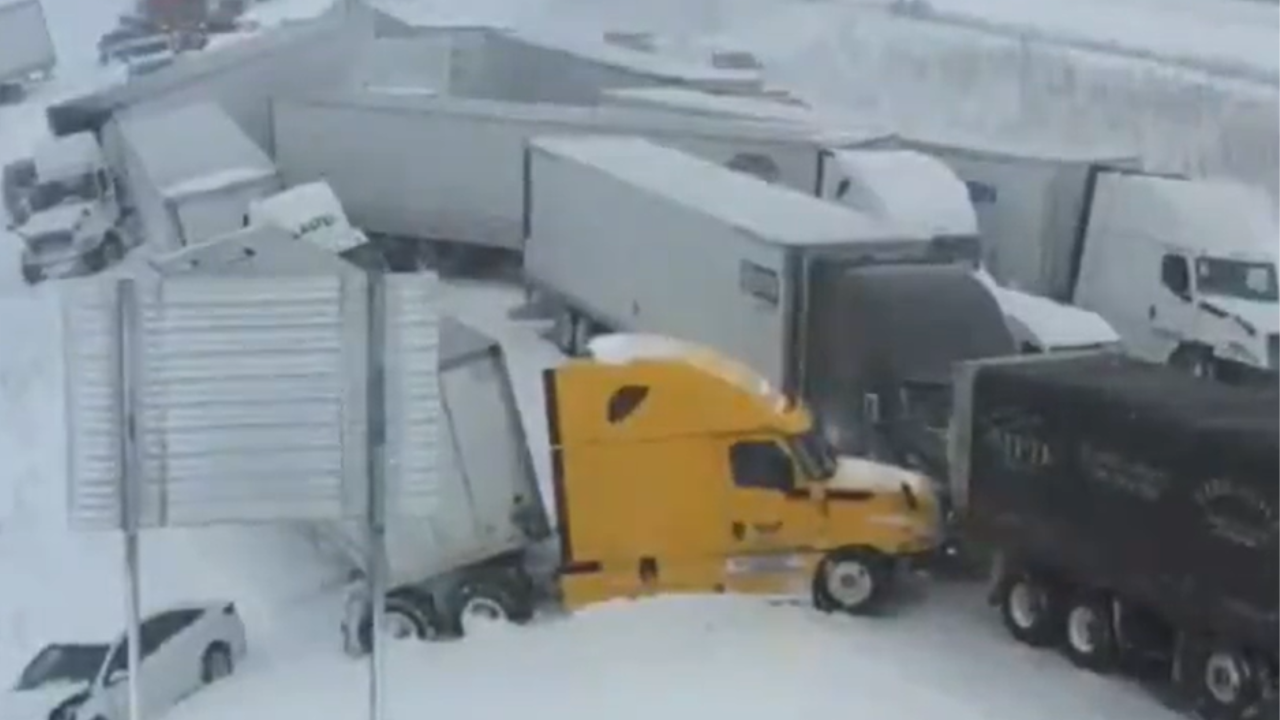
The alerts, all active as of today, center on Midwestern counties like Emmet, Monona, Crawford, Lyon, Nodaway, Atchison, Iowa, Lincoln, and Buchanan, primarily in Iowa and Missouri, with outliers in Kansas and New Mexico's Tusas Mountains. Extreme Cold Warnings dominate, forecasting life-threatening hypothermia risks from subzero temperatures and gusty winds. Winter Storm Warnings in Atchison and Tusas predict heavy snow and ice, disrupting travel and power. No fatalities reported yet (confirmed), but shelters are activating amid confirmed school closures and road bans.
Context & Background
This surge echoes a timeline of escalating severe weather: On January 9, 2026, the U.S. saw four Severe Thunderstorm Warnings and two Flood Alerts in quick succession, an anomalous winter pattern signaling volatility. Historically, such clusters—now including cold snaps—have intensified, with polar vortex dips becoming annual threats post-2019. Today's alerts parallel that 2026 frenzy, underscoring a shift where winter extremes rival summer storms in frequency.
Why This Matters
Extreme cold exacerbates U.S. inequalities, hitting low-income households hardest: 20% lack adequate heating (per Census data), forcing choices between food and fuel. Rural Midwest communities, with limited transit, face isolation; essential workers in Buchanan and Lyon counties risk exposure without paid sick leave. Black and Hispanic neighborhoods report 2x higher hypothermia rates (CDC stats). These events strain food banks and ERs, widening socio-economic gaps—vulnerable groups endure 30% higher utility shutoffs during freezes.
Social Media Reactions
Social media buzzes with concern: Iowa resident @MidwestMom46 tweeted, "Emmet County locked down by -40 wind chills—my elderly neighbors have no heat. Where's the aid?" (@MidwestMom46, 2K likes). Meteorologist @WeatherProf warned, "This polar plunge mirrors 2026's chaos; climate whiplash is real" (5K retweets). Local official @BuchananCoEMA urged, "Shelters open—don't wait" amid unconfirmed outage reports.
Looking Ahead
Trends suggest more frequent cold outbreaks, amplified by climate change's jet stream wobbles. Expect intensified alerts through mid-week. Predictively, mounting events will drive federal funding surges—like post-2021 winter storm boosts—for vulnerable preparedness, targeting $2B+ in equity-focused resilience grants.
This is a developing story and will be updated as more information becomes available.