Central African Republic's Touadera Wins Third Term Amid Fraud Allegations and Low Turnout, Fueling Instability Concerns

Latest from X
Central African Republic's Touadera Wins Third Term Amid Fraud Allegations and Low Turnout, Fueling Instability Concerns
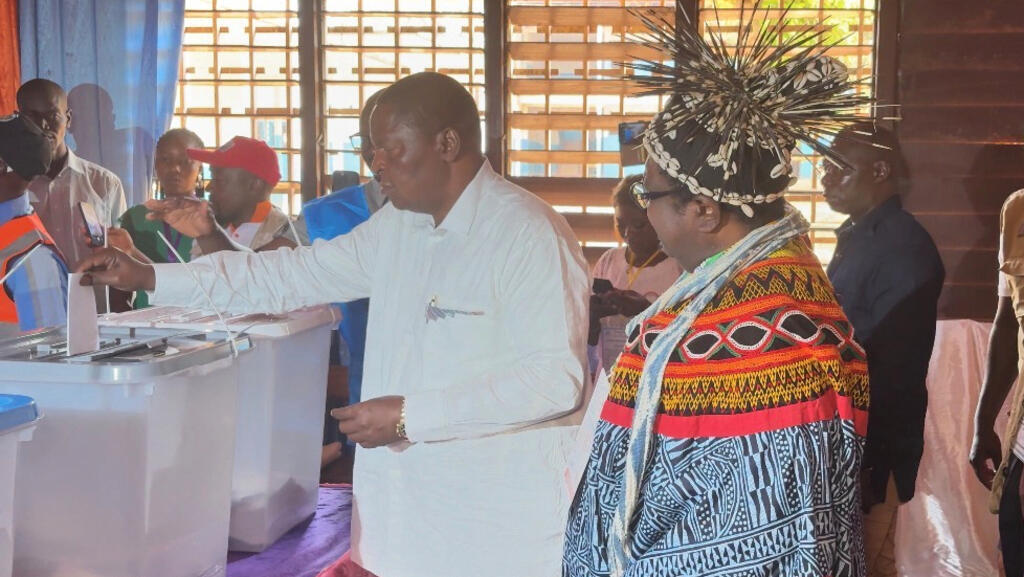
BANGUI, Central African Republic — President Faustin-Archange Touadera has been declared the winner of the country's December 28, 2025, presidential election, securing over 76% of the vote in a result that extends his decade-long rule. The outcome, announced on January 5, 2026, has reignited accusations of electoral fraud from opposition leaders and comes against a backdrop of historically low voter participation, raising fears of renewed civil unrest in the chronically unstable nation.
The National Elections Authority (ANE) confirmed Touadera's landslide victory, with preliminary results showing him far ahead of his closest challengers. Opposition figures, including several prominent candidates, swiftly rejected the tally, labeling it fraudulent and pointing to irregularities such as ballot stuffing, voter intimidation, and discrepancies in vote counts from key urban centers like Bangui. "This election was neither free nor fair," one unnamed opposition spokesperson was quoted as saying in reports, echoing long-standing grievances about the government's control over electoral processes.
Voter turnout plummeted to record lows, estimated at under 20% in some regions, according to observers. Analysts attribute this apathy to widespread disillusionment among the population, battered by years of conflict, poverty, and governance failures. Rural areas, particularly those previously held by armed groups, reported even lower participation, hampered by ongoing security threats and logistical challenges in delivering ballots.
Election in a Fragile Context
The vote occurred in a country still reeling from a civil war that erupted in 2013 following a coup by the Seleka rebel coalition, which ousted President François Bozizé. The conflict pitted Muslim Seleka fighters against Christian anti-Balaka militias, displacing over a million people and killing thousands. Touadera, a former prime minister and mathematician, first came to power in 2016 elections widely seen as credible despite the chaos, promising stability.
His 2020-2021 re-election was marred by violence, with rebels — loosely allied under the Coalition of Patriots for Change (CPC) — launching an offensive that briefly threatened Bangui. Touadera's government, bolstered by Russian military instructors and Wagner Group mercenaries (now rebranded as Africa Corps), repelled the assault and regained control of over 90% of the territory through a 2023 Luanda peace accord with major rebel factions. However, implementation has been uneven, with sporadic clashes persisting in the northeast and along borders with Sudan and South Sudan.
This latest election was constitutionally contentious. Touadera's bid for a third term followed 2023 referendum-approved changes to term limits, which critics decried as a power grab. International observers, including from the African Union and European Union, noted improvements in security allowing polls in more areas than in 2021 but highlighted persistent issues like opposition candidates' arrests and media restrictions. The United Nations Multidimensional Integrated Stabilization Mission in the Central African Republic (MINUSCA), with over 15,000 peacekeepers, monitored the process amid heightened tensions.
Opposition Response and Unrest Risks
Opposition coalitions have called for protests, though security forces have imposed restrictions in Bangui and other cities. As of January 6, 2026, no large-scale demonstrations have materialized, but social media posts on platforms like X reflect growing public frustration, with users citing low turnout as evidence of disillusionment rather than endorsement. Past elections have triggered deadly unrest; in 2021, post-vote violence killed dozens and displaced thousands.
Human rights groups, including Amnesty International and Human Rights Watch, have urged calm while documenting pre-election abuses, such as the detention of at least 10 opposition members. The international community, including France — CAR's former colonial power — and the United States, has congratulated Touadera while calling for dialogue to address grievances.
Background: A Cycle of Instability
The Central African Republic, one of the world's poorest nations with a population of about 5.5 million, ranks near the bottom of the UN Human Development Index. Rich in diamonds, gold, and uranium, it has been cursed by the "resource curse," with illicit trade fueling armed groups. Over 40% of the population remains displaced, and food insecurity affects millions, exacerbated by climate shocks and the fallout from regional conflicts like Sudan's civil war.
Touadera's tenure has seen GDP growth averaging 2-3% annually, driven by mining and Russian investments, but corruption perceptions remain high, per Transparency International rankings. Peace deals have reduced rebel-held territory, yet banditry and intercommunal violence persist, with over 3,000 civilian deaths reported in 2024 by the UN.
Outlook: Fragile Gains at Risk
Analysts warn that while Touadera's security achievements are notable, they remain brittle. "The consolidation of power risks alienating moderates and emboldening hardliners," said a France 24 report, quoting regional experts. Renewed Western sanctions or aid cuts could strain the government's Russian-backed model.
With constitutional reforms potentially paving the way for prolonged rule, the coming weeks will test CAR's fragile institutions. International mediators are pushing for inclusive talks, but history suggests unrest could escalate if fraud claims go unaddressed. For now, Bangui remains tense, a microcosm of a nation where electoral politics and armed conflict remain inextricably linked.
(Word count: 712)
Track this story live
Original Sources
- •
Editorial process: This article was synthesized from the original sources cited above using The World Now's AI editorial system, with byline accountability from our editorial team. We grade every story for source grounding, factual coherence, and on-topic match before publication. Read more about our editorial standards and contributors. Spot something inaccurate? Let us know.
Last updated: March 7, 2026