
Ceasefire Established Following Clashes at Thai-Cambodia Border
In a significant development, Thailand has released 18 Cambodian soldiers who had been held captive since July, following a new ceasefire agreement that came into effect after weeks of intense clashes along the contested Thai-Cambodia border. This ceasefire marks a critical step toward reducing tensions between the neighboring countries, which have experienced escalating military confrontations in recent months.
The ceasefire agreement was announced on December 31, 2025, just hours before the soldiers were freed. The release comes in the wake of a series of violent encounters that have resulted in the deaths of dozens and the displacement of over a million people in the region. The latest outbreak of hostilities began earlier in December and underscored the long-standing border disputes that have periodically flared up between Thailand and Cambodia.
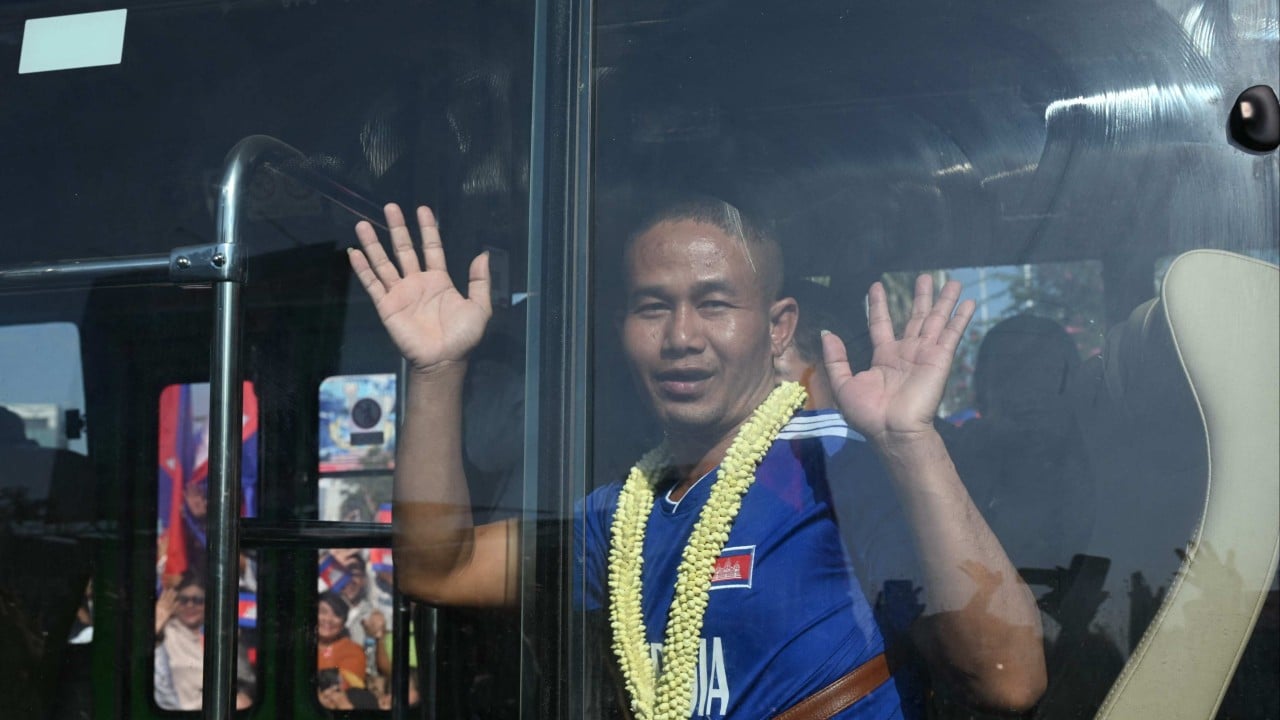
According to reports, the Cambodian soldiers, who were captured during a skirmish near the border, were seen smiling and waving as they were released from Thai custody. Their return is indicative of an easing of the tensions that have characterized the bilateral relationship in recent months. The previous clashes, which have occurred intermittently throughout 2025, have raised concerns about the potential for a larger conflict as both nations bolster their military presence along the border.
The decades-old territorial disputes between Thailand and Cambodia primarily revolve around several areas near their shared border, with historical claims dating back centuries. Over the years, these disputes have led to military confrontations, most notably in 2011 and 2013, when both countries engaged in armed conflict over the Preah Vihear Temple area.
The recent fighting has drawn international attention, with calls from various global leaders for both sides to exercise restraint and seek a peaceful resolution. Local humanitarian organizations have also raised alarms about the humanitarian crisis resulting from the clashes, emphasizing the plight of displaced civilians who have been forced to flee their homes.
In light of the ceasefire, there is cautious optimism that diplomatic talks may resume, potentially paving the way for a more permanent resolution to the border disputes. Analysts suggest that both governments may recognize the need to stabilize the situation, especially as economic recovery and regional cooperation become increasingly critical in the post-pandemic landscape.
As Thailand and Cambodia navigate this fragile peace, the international community remains watchful, hoping that the ceasefire will hold and that further negotiations can lead to a mutual understanding that will prevent future violence. The situation remains fluid, and it will require sustained diplomatic engagement to ensure that both nations can coexist peacefully along their shared border.
In conclusion, the release of the Cambodian soldiers and the establishment of a ceasefire represent a pivotal moment in Thai-Cambodian relations. However, the underlying issues remain unresolved, and both nations must work diligently to foster a climate of trust and cooperation to avoid further conflict in the future.






