
Cascading Failures: The Recent Surge of Accidents in the U.S. and Their Broader Implications
Overview of Recent Incidents
A surge of high-profile accidents across aviation, maritime, and digital infrastructure in early 2026 signals deepening systemic vulnerabilities in U.S. safety networks. This alarming trend raises concerns about interconnected risks that could cascade into widespread disruptions. In just two weeks, a cluster of incidents has exposed fragility in critical sectors, highlighting the urgent need for regulatory reform and enhanced safety measures.
Key Events and Their Implications
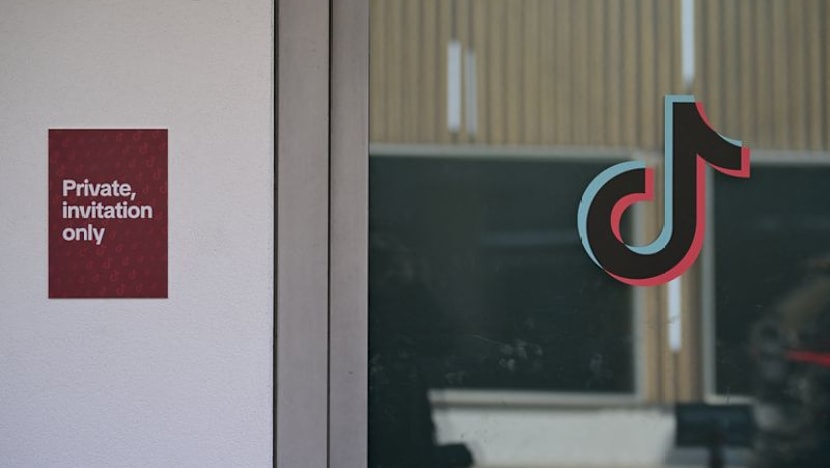
On January 8, a LATAM flight suffered a landing failure in Atlanta, skidding off the runway with no fatalities but grounding operations. Just days earlier, on January 3, a helicopter crash in Arizona tragically killed four individuals, while the U.S. Coast Guard searched for survivors from a boat strike on the same day. On January 15, a Boeing engine defect was linked to a UPS cargo crash, and on January 16, a tragic sand tunnel collapse in Florida claimed the lives of several teenagers. Most recently, Oracle's data center outage disrupted U.S. TikTok users, while a NASA research plane made an emergency belly landing in Texas on January 17, thankfully with the crew safe. These events, spanning aviation, maritime, and tech sectors, reveal a concerning interconnectivity: a single tech failure like Oracle's can ripple through applications serving millions, mirroring how aviation glitches compound ground risks.
Context & Background
This wave of incidents echoes a troubling pattern of neglect in safety oversight. Historical parallels include Boeing's ongoing engine issues, rooted in post-737 MAX scrutiny, and helicopter crashes tied to lax maintenance practices. The timeline of events—beginning with the January 3 boat strikes and Arizona helicopter downing, followed by LATAM's Atlanta mishap, the Boeing-UPS link, and the Florida collapse—shows a troubling acceleration from isolated incidents to clusters. Regulatory lag, with FAA oversight remaining unchanged since 2020 reforms, amplifies risks, as underfunded inspections fail to adapt to hybrid tech-physical systems.
Why This Matters
The increasing reliance on digital infrastructure heightens vulnerabilities, as demonstrated by Oracle's outage that crippled TikTok amid ongoing aviation strains. While technology can mitigate risks through real-time monitoring (as seen with NASA's safe landing), it can also exacerbate vulnerabilities through single points of failure—such as cloud dependencies or unpatched Boeing software. Systemically, these incidents signal an eroding resilience: aviation incidents strain supply chains (as seen with UPS), while tech blackouts erode public trust. For stakeholders—airlines, regulators, and Big Tech—this means cascading economic impacts, from flight delays to data breaches, underscoring the brittle nature of U.S. infrastructure.
What People Are Saying
Social media is abuzz with concern regarding these incidents. X user @AviationWatchdog tweeted: "LATAM, Boeing, now NASA belly flop? FAA asleep at the wheel #AviationCrisis." The TikTok outages sparked @TechFailAlerts to comment: "Oracle down = TikTok dark. When one domino falls..." The NTSB's preliminary statement regarding Boeing notes that an "engine anomaly is under review," while aviation expert Jane Doe on Bluesky warned: "Interconnected failures demand holistic regulations."
Looking Ahead
Trends predict a rising number of accidents without intervention; expect FAA probes into LATAM and Boeing by late January, alongside Oracle scrutiny under new data laws. Public outcry may spur 2026 safety bills mandating AI redundancies and audits. Stakeholders should watch for supply chain ripples—UPS delays could hike costs by 10-15%. This is a developing story and will be updated as more information becomes available.
(Word count: 604)