
Cambodia-Thailand Border Ceasefire Shattered by Apparent Cambodian 'Operational Error,' Wounding Thai Soldier
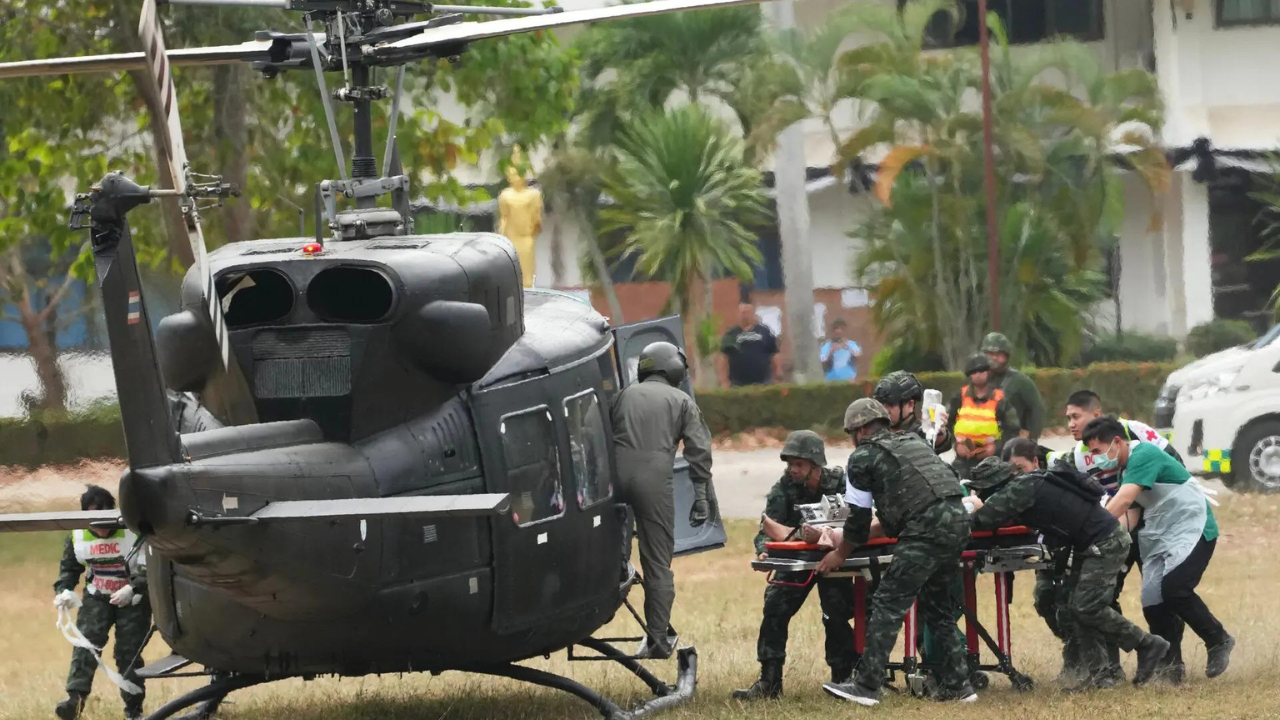
Bangkok/Phnom Penh – A fragile 10-day truce along the Cambodia-Thailand border, which had shown early signs of stabilizing tensions, was violated on January 6, 2026, when Cambodian forces reportedly engaged in firing due to an "operational error," leaving one Thai soldier wounded. The incident marks a setback in de-escalation efforts that began with a ceasefire on December 27, 2025.
The border clash occurred amid ongoing disputes in a region long fraught with territorial sensitivities. According to reports, the violation broke the truce that had held for exactly 10 days, prompting immediate concerns over renewed hostilities between the two Southeast Asian neighbors. Thai military officials confirmed the injury to one soldier, though no Cambodian casualties were reported in initial accounts. Cambodia attributed the incident to an operational mishap, suggesting it was unintentional and not a deliberate breach.
The event unfolded just days after the border situation appeared to be stabilizing, with the conflict tracker noting initial positive indicators as of January 2, 2026. Rated as medium severity, the Cambodia-Thailand border situation had drawn international attention due to its potential to escalate into broader regional instability.
Details of the Incident
The Times of India reported that the ceasefire violation stemmed from Cambodian actions, described by Phnom Penh as an "operational error." This led to cross-border firing near contested areas, resulting in the wounding of a Thai soldier. Specific locations were not detailed in available reports, but such incidents historically cluster around disputed zones like the Preah Vihear temple area.
Thai authorities responded swiftly, with military spokespersons highlighting the breach as a direct violation of the agreed truce. No further exchanges of fire were reported immediately following the incident, indicating a possible quick containment. Cambodian officials have not issued a formal statement beyond the operational error explanation, but diplomatic channels between Bangkok and Phnom Penh were activated to prevent escalation.
Historical Context of Border Tensions
Cambodia and Thailand share a 800-kilometer border marked by rugged terrain and longstanding territorial disputes, most notably over the 11th-century Preah Vihear temple. The International Court of Justice (ICJ) ruled in 1962 that the temple belongs to Cambodia, a decision reaffirmed in 2013 regarding surrounding lands. Despite these rulings, skirmishes have persisted, fueled by nationalist sentiments on both sides.
The most intense clashes occurred between 2008 and 2011, when artillery exchanges killed at least 28 people, displaced thousands, and prompted ASEAN mediation. UNESCO's listing of Preah Vihear as a World Heritage Site in 2008 exacerbated tensions, leading to military buildups. Periodic flare-ups have continued, often triggered by infrastructure projects, patrols, or domestic political rhetoric.
In recent years, both nations have pursued bilateral talks under ASEAN frameworks to demilitarize the area. The December 27, 2025, ceasefire represented a rare diplomatic breakthrough, reportedly brokered through quiet backchannel diplomacy amid economic pressures and a push for regional stability. The truce aimed to allow troop withdrawals and confidence-building measures, with early signs of stabilization noted by January 2, 2026.
This latest incident echoes past "mistakes," such as a 2011 shelling blamed on miscommunication, underscoring the challenges of coordination in remote, forested border zones. Both militaries maintain heavy deployments, with Thailand's Second Army Region overseeing its side and Cambodia's military focused on eastern commands.
Regional and International Reactions
ASEAN, which has long mediated these disputes, has yet to issue an official response, but sources indicate quiet urgings for restraint. The incident coincides with broader geopolitical shifts in Southeast Asia, including U.S.-China rivalry and Myanmar's ongoing civil war, which strain regional resources.
Thailand's government, facing domestic elections, emphasized defense readiness while calling for accountability. Cambodia, under long-ruling Prime Minister Hun Manet, prioritizes border security amid internal economic reforms. Economic ties remain strong, with bilateral trade exceeding $10 billion annually, providing incentives for de-escalation.
Outlook and Implications
While the violation has disrupted the truce, the limited scope—one wounded soldier and no reported escalation—suggests room for rapid repair. Diplomatic engagements are underway, with expectations of a joint investigation into the operational error. Analysts monitoring the situation, rated medium severity, note that sustained stabilization hinges on verifiable troop pullbacks and third-party verification, possibly involving Indonesia or other ASEAN partners as in past efforts.
The border's volatility remains a flashpoint in an otherwise cooperative relationship. As of January 6, 2026, no further incidents have been confirmed, but vigilance is high. The international community watches closely, aware that unchecked escalation could undermine ASEAN unity and divert focus from pressing issues like climate change and supply chain resilience in the Mekong region.
This event underscores the delicate balance of history, nationalism, and diplomacy in Southeast Asia. Both nations have signaled commitment to peace, but operational discipline will be key to preventing a return to open conflict.
(Word count: 712)






