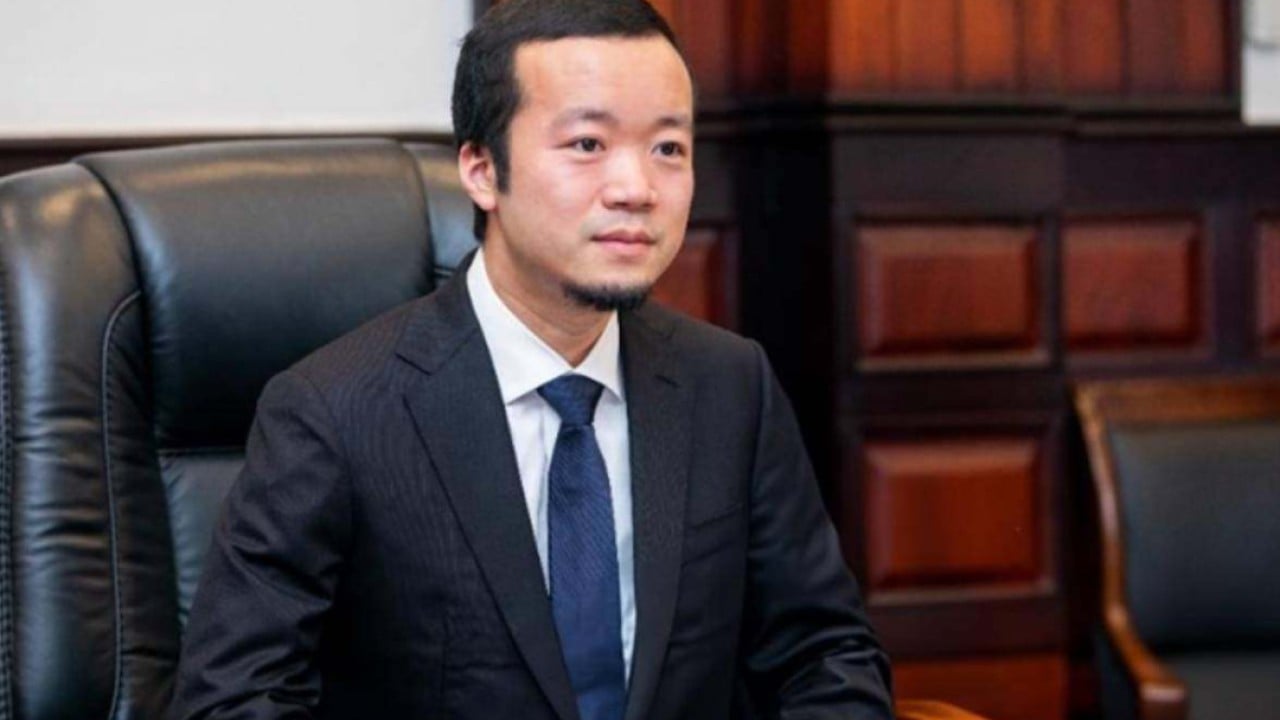

Cambodia Extradites Billionaire Chen Zhi to China Over Alleged Transnational Crime Network
Phnom Penh, Cambodia – In a significant cross-border law enforcement operation, Cambodian authorities have arrested and extradited Chinese billionaire Chen Zhi, founder of the Prince Group conglomerate, to China on charges of orchestrating a transnational crime syndicate involving cryptocurrency fraud, human trafficking, and money laundering.
The extradition, which occurred on Tuesday, January 7, 2026, followed a formal request from Chinese authorities. Cambodia's Ministry of Interior confirmed the transfer of Chen and two other Chinese nationals, stating that the action was part of collaborative efforts between the two nations' law enforcement agencies. According to a report by Cambodia China Times on Wednesday evening, the arrests underscore deepening police cooperation amid rising concerns over cross-border criminal activities originating from Southeast Asia.
Chen Zhi, a prominent figure in Cambodia's business landscape, was detained alongside his associates in a coordinated raid. The Cambodian Ministry of Interior issued a statement highlighting the operation's role in combating organized crime that spans national borders. While specific details on the scale of the alleged network remain limited, the charges point to sophisticated operations leveraging cryptocurrency for illicit gains, alongside human trafficking and money laundering schemes.
Details of the Allegations and Operation
The case against Chen centers on his purported leadership of a criminal network accused of defrauding victims through fake cryptocurrency investment platforms, trafficking individuals for forced labor in scam compounds, and laundering proceeds via opaque financial channels. Such operations have become a persistent issue in the region, with Southeast Asian countries like Cambodia and neighboring Myanmar serving as hubs for telecom and investment fraud targeting primarily Chinese nationals.
Cambodian officials acted swiftly at Beijing's behest, arresting the trio and facilitating their handover without delay. The Ministry of Interior's statement emphasized that "law enforcement from both countries worked closely to ensure the suspects were transferred safely," reflecting strengthened bilateral ties in judicial matters. This extradition marks a rare high-profile instance involving a billionaire entrepreneur, contrasting with more routine transfers of lower-level suspects.
Background on Chen Zhi and Prince Group
Chen Zhi, in his late 30s, rose to prominence as the founder and chairman of Prince Group, one of Cambodia's largest conglomerates. Established in 2011, the Phnom Penh-based firm has expanded into real estate, banking, insurance, hospitality, and digital services, boasting assets worth billions and partnerships with international players. Chen himself has been described in media profiles as a self-made tycoon who navigated Cambodia's regulatory environment to build an empire, including the launch of Wing Bank and luxury developments.
However, Prince Group and Chen have faced scrutiny in recent years. Reports have linked the company to aggressive expansion tactics and questions over funding sources, amid Cambodia's evolving financial oversight. Chen's personal wealth, estimated in the billions, stems largely from these ventures, making his arrest a jolt to the Cambodian business community. Neither Prince Group nor Chen's representatives have issued public statements as of the latest reports, and the company's operations appear to continue uninterrupted.
This incident fits into a broader pattern of Chinese authorities targeting overseas-based crime rings. Since 2021, Beijing has intensified "Operation Fox Hunt" and similar campaigns, repatriating thousands of suspects from Southeast Asia. Cambodia, a key Belt and Road Initiative partner, has extradited hundreds in recent years, including in 2024 operations dismantling scam centers in Sihanoukville. Cryptocurrency fraud alone has bilked Chinese victims of tens of billions of dollars annually, according to state media estimates, with human trafficking often intertwined as scammers coerce laborers into "pig butchering" schemes—romance and investment cons popularized via apps.
Regional and International Context
The extradition highlights escalating U.S.-China tensions indirectly, as Washington has sanctioned entities linked to similar scams in Myanmar's Kokang region, some tied to Chinese interests. Cambodia's cooperation aligns with its neutral foreign policy, balancing ties with Beijing while addressing domestic crime concerns. Phnom Penh has cracked down on illegal Chinese casinos and scam hubs following international pressure, shutting down operations in Sihanoukville and Poipet.
Chinese state media, including outlets like Global Times, have praised such collaborations, framing them as victories against "economic saboteurs." The case also spotlights cryptocurrency's dark side: despite China's 2021 ban on crypto trading and mining, underground networks persist, exploiting laxer regulations abroad.
Outlook and Implications
As Chen Zhi faces prosecution in China, where penalties for such crimes can include lengthy prison terms or asset seizures, the extradition could prompt further audits of Prince Group's dealings. Investors and partners may reassess exposures, potentially impacting Cambodia's foreign investment climate.
For China, this reinforces its global push against illicit finance, signaling to other tycoons that extraterritorial safe havens are no longer viable. Cambodian authorities, meanwhile, may leverage the case to bolster their anti-crime credentials ahead of regional summits.
The operation exemplifies maturing Sino-Cambodian security ties, but challenges remain: porous borders, corruption risks, and the adaptability of crime syndicates. As investigations unfold, more details on the network's scope—and any Cambodian complicity—are expected to emerge, shedding light on the shadowy intersections of business, crime, and geopolitics in Southeast Asia.
(Word count: 712)






