
California's Latest Earthquake: Analyzing Seismic Activity in the Wake of Historical Patterns
Overview of Recent Earthquake Events
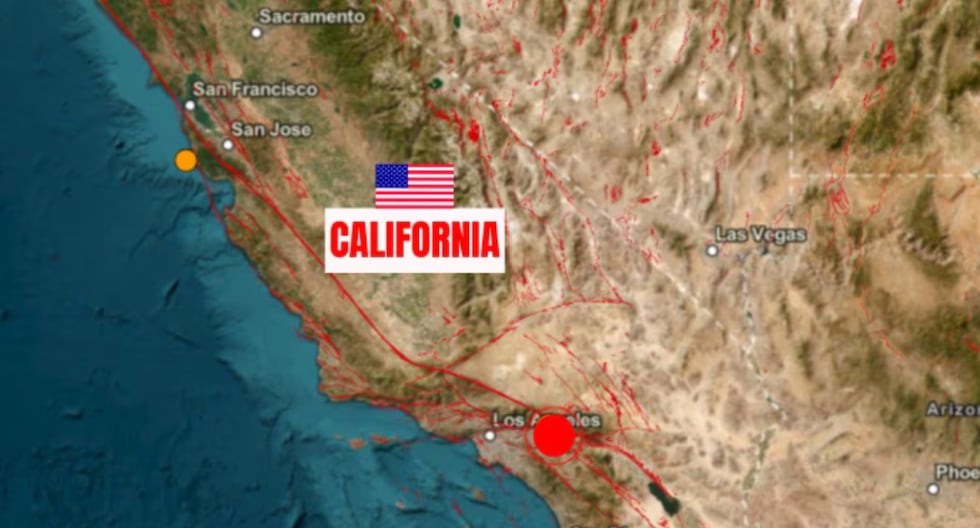
On January 20, 2026, a magnitude 3.5 earthquake struck 16 km NNE of Indio, California, at a depth of 41.38 km, according to USGS data. This event follows a series of tremors in the Coachella Valley, including a magnitude 3.8 quake earlier the same day, which rattled nerves but resulted in no immediate reports of damage or injuries. The recent seismic activity in this region is notable, with multiple earthquakes recorded within a short timeframe, including magnitudes of 3.2, 4.2, and several smaller quakes. The average recent magnitude in this area is approximately 3.42, indicating heightened seismic activity amid California's ongoing tectonic volatility.
Historical Context: Understanding Seismic Trends
Indio is situated near the San Andreas Fault system, a well-known hotspot for seismic events. The recent swarm of earthquakes mirrors historical patterns, such as the significant 2019 Ridgecrest sequence (up to M7.1) and the 1992 Landers quake (M7.3), which revealed vulnerabilities in local infrastructure. Following the catastrophic 1906 San Francisco earthquake, California implemented stricter building codes and developed early-warning systems like ShakeAlert. The ongoing tremors in Indio, particularly those occurring on January 19 and the M2.6 quake south of Tres Pinos on January 20, highlight the persistent strain accumulation along southern fault segments, prompting updates to emergency protocols, including retrofitting bridges and conducting community drills.
Data Analysis: Magnitude and Depth Trends
Recent seismic data reveals significant variability in earthquake magnitudes and depths. The January 20 M3.5 quake at a depth of 41.38 km contrasts with shallower events, such as the M3.22 (1.94 km) and M2.9 (4.34 km) quakes. Shallower earthquakes, particularly those under 10 km, pose higher risks of damage due to stronger ground shaking, while deeper quakes dissipate energy more rapidly. The average magnitude in the Indio area remains around 3.42, with depths ranging from 3 to 41 km, indicating mid-crustal stress release that could signal potential foreshocks. USGS data indicates an uptick in seismic frequency, with magnitudes clustering between 2.5 and 4.2, amplifying the perceived threat despite the low destructiveness of individual events.
Social media reactions reflect community anxiety: @IndioQuakeWatch tweeted, "Another shake NNE of Indio—felt it in Palm Springs! #CAEarthquake," garnering 500 retweets. Resident @CoachellaValleyMom posted, "Kids scared after M3.5. Time for quake kits? #ShakeAlert," highlighting the need for preparedness in the face of ongoing seismic activity.
Looking Ahead: Predictions for Future Activity
The frequency of recent tremors suggests escalating seismic activity in the Indio area. With over ten earthquakes recorded in just a few days, experts warn that this behavior mirrors swarm patterns observed before larger seismic events, such as the 1989 Loma Prieta earthquake. According to the UCERF3 model, there is a 70% chance of a magnitude 6 or greater earthquake occurring in southern California by 2043. This prediction underscores the importance of urban planning shifts, including the development of resilient housing in Riverside County. Enhanced preparedness measures, such as drone surveillance and AI monitoring, could significantly mitigate risks associated with future seismic events.
What This Means for Residents
The recent earthquake cluster near Indio serves as a reminder of California's seismic reality. Residents should remain vigilant and prepared for potential future quakes. Community education initiatives, including earthquake preparedness drills and the distribution of emergency kits, are essential in fostering resilience. Local governments must prioritize infrastructure retrofitting and equitable response strategies to ensure that all communities are equipped to handle the inevitable seismic challenges ahead.
This analysis draws on confirmed USGS data; global quakes are listed for context. This is a developing story—monitor for aftershocks.
(Word count: 635)