
Brutal Attack on Hindu Scribe and Imam's Arrest Signal Persistent Violence in Bangladesh
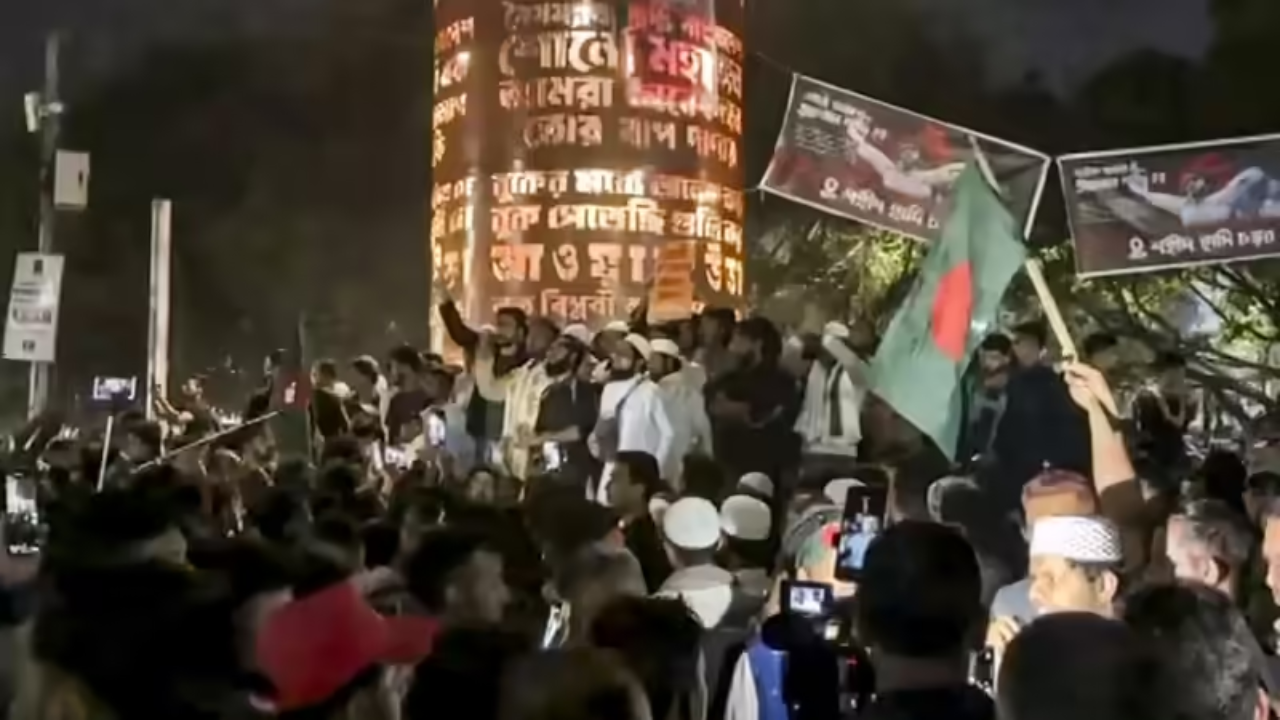
Dhaka, Bangladesh – A Hindu scribe was subjected to a gruesome attack on January 5, 2026, when he was shot in the head and had his throat slit, in what authorities and community leaders describe as part of an ongoing pattern of assaults against minority groups. The incident involving Rana Pratap Bairagi underscores deepening concerns over sectarian tensions in the country. Just days later, on January 8, Bangladeshi police arrested an imam accused of inciting a mob to lynch an individual named Dipu, highlighting efforts to curb mob violence amid a volatile security landscape.
The attack on Bairagi occurred on Monday, January 5, at approximately 17:53 GMT, marking it as a high-severity incident targeting a member of Bangladesh's Hindu minority. Details of the assault paint a picture of extreme brutality: the victim was shot at point-blank range and then had his throat slit, actions that local reports link to broader campaigns against religious minorities. While no group has officially claimed responsibility, such targeted violence has been a recurring issue since political upheaval in 2024.
In a related development, Bangladeshi authorities apprehended an imam on Thursday, January 8, for allegedly inciting a mob to carry out a lynching against Dipu. According to reports from the Times of India, the religious leader's inflammatory rhetoric spurred the violent mob action, prompting swift police intervention. The arrest represents one of the few instances of accountability in recent unrest, though specifics on Dipu's background or the mob's motivations remain limited in available accounts.
Escalating Context of Minority Persecution
Bangladesh, home to about 165 million people, has a Hindu population of roughly 8%, the largest non-Muslim minority. Tensions have simmered for years, but they intensified following the August 2024 student-led uprising that ousted longtime Prime Minister Sheikh Hasina. Her Awami League government, seen by some as protective of secularism and minorities, was replaced by an interim administration led by Nobel laureate Muhammad Yunus. In the ensuing power vacuum, reports from human rights organizations like Human Rights Watch and Amnesty International documented over 200 attacks on Hindu homes, temples, and businesses between August and October 2024 alone.
These incidents often involved vandalism, arson, and physical assaults, frequently attributed to Islamist hardliners exploiting the chaos. The United Nations and Indian government expressed alarm, with New Delhi – which shares a 4,000-km border with Bangladesh – raising the issue diplomatically. By early 2025, the interim government pledged enhanced security measures, including the formation of rapid response teams for minority protection. However, sporadic violence persisted into 2026, as evidenced by Bairagi's case.
The imam's arrest fits into this narrative of communal friction. Mob lynchings, sometimes fueled by rumors of blasphemy or theft, have historical precedents in Bangladesh, such as the 2019 killing of publisher Faisal Arefin Dipu over alleged Quranic insults – though no direct link to the recent Dipu case is confirmed. Law enforcement's action against the imam signals an attempt to deter incitement, but critics argue that root causes like radical preaching in mosques and online hate speech require broader reforms.
Community Reactions and Government Response
Hindu leaders in Bangladesh have condemned Bairagi's attack, calling for immediate investigations and protection. The Bangladesh Hindu Buddhist Christian Unity Council issued statements decrying the "continued targeting" of minorities, urging the Yunus administration to expedite justice. No official casualty updates on Bairagi were available as of January 9, but the attack's severity has amplified calls for international monitoring.
On the imam front, police have not released further details on charges or the lynching's outcome for Dipu, but the detention is viewed positively by observers tracking extremism. Bangladesh's Rapid Action Battalion (RAB) and local forces have ramped up patrols in sensitive areas, including Sunamganj and Dinajpur districts, where minority clashes have been reported.
Outlook Amid Political Transition
As Bangladesh approaches potential elections in late 2026, stabilizing communal harmony remains critical. The interim government's track record includes disbanding controversial student wings and banning outfits like Hefazat-e-Islam, linked to past violence. Yet, economic woes – inflation at 10% and garment sector slowdowns – exacerbate social divides, potentially fueling unrest.
International partners, including the U.S., EU, and India, continue to advocate for minority rights. The recent events serve as a stark reminder that while arrests like the imam's offer hope, unchecked attacks like Bairagi's threaten long-term stability. Authorities face mounting pressure to bridge divides in this ethnically diverse nation, where over 90% identify as Muslim.
(Word count: 612)






