
Britain Faces High-Severity Snow and Ice Warnings Amid Arctic Blast, Disrupting International Flights
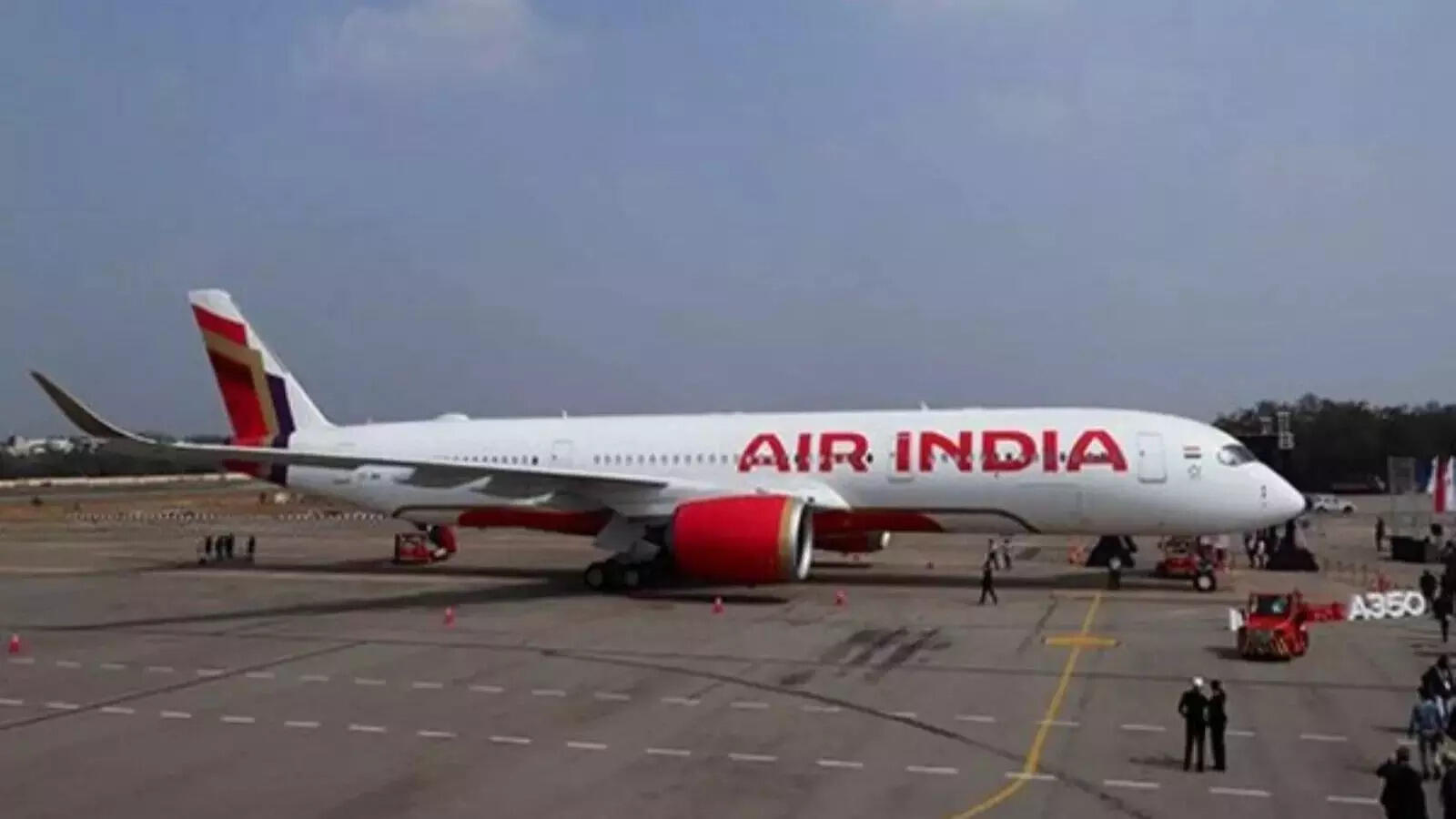
London, UK – Large swathes of Britain, including areas in Scotland, Wales, and England, remain under yellow and amber weather warnings for snow and ice as of early January 2026, triggered by an influx of cold Arctic air originating from Scandinavia. Classified as high severity, these conditions have persisted since January 2, leading to travel disruptions, including the diversion of two Air India flights bound for the UK due to adverse weather.
The warnings, issued by the Met Office—the UK's national weather service—highlight risks of hazardous travel conditions, potential power outages, and disruptions to daily life. Yellow warnings urge the public to "be aware," while amber alerts signal a need to "prepare" for more significant impacts, such as untreated surfaces becoming impassable and isolated rural communities facing challenges. The cold snap began on Friday, January 2, at 12:14 GMT, with Arctic air masses plunging temperatures well below average for the season.
This severe weather event exemplifies a classic winter pattern in the UK, where northerly airflow from Scandinavia brings biting cold, snow showers, and icy conditions. According to Met Office protocols, such warnings are based on forecasts from numerical weather prediction models that track polar air outbreaks. Similar events have historically caused widespread issues; for instance, the "Beast from the East" in March 2018 delivered over 50 cm of snow in parts of Scotland and England, paralyzing transport networks and leading to school closures across the nation.
Widespread Impacts Across Regions
The snow and ice warnings cover multiple regions: Scotland faces the brunt with prolonged amber alerts in the Highlands and northern areas, where snow accumulation could exceed 10-20 cm in upland regions. Wales, particularly the northern and central uplands, is under yellow warnings for ice on untreated roads, exacerbating risks for motorists. In England, eastern and central counties, including the Midlands and East Anglia, report similar threats, with black ice forming overnight due to sub-zero temperatures.
Travel authorities have responded swiftly. National Highways, responsible for England's motorways, has deployed gritters and advised against non-essential journeys. Rail operators like Network Rail have warned of potential delays on lines exposed to drifting snow, echoing disruptions seen in previous Arctic inflows.
A notable international ripple effect emerged on January 9, when bad weather forced the diversion of two Air India flights en route to UK airports. The airline issued a statement confirming the incidents, attributing them directly to poor visibility and unsafe landing conditions caused by the ongoing wintry weather. Specific details on the flights' destinations—likely major hubs like London Heathrow or Manchester—were not disclosed in the statement, but the event underscores how UK weather can cascade into global aviation challenges. Heathrow, Europe's busiest airport, has previously managed over 100 diversions during peak winter storms, with ground delays compounding the issue.
Met Office Guidance and Public Response
The Met Office has emphasized safety measures: "Plan your route in advance, check for road closures, and allow extra time for journeys," a spokesperson advised in standard warning communications. Emergency services report a spike in weather-related incidents, including stranded vehicles and minor accidents on icy roads, though no major casualties have been linked to the event as of January 9.
This Arctic air mass aligns with broader European weather dynamics. The polar vortex—a large-scale circulation of cold air around the North Pole—has weakened in recent weeks, allowing intrusions southward. Verified data from the European Centre for Medium-Range Weather Forecasts (ECMWF) corroborates the Scandinavian origin, with isobars steering the flow directly toward the British Isles.
Historical Context and Winter Weather Norms
Britain's maritime climate typically moderates winters, but occasional Arctic northerlies disrupt this. The 2010-2011 winter, one of the coldest on record, saw over 100 weather-related deaths and economic losses exceeding £1 billion from transport halts. More recently, Storm Arwen in November 2021 brought snow and winds gusting to 100 mph, felling trees and cutting power to 1 million homes.
Current forecasts indicate the warnings may lift by mid-week as high-pressure builds, potentially ushering milder Atlantic air. However, the Met Office cautions of lingering ice risks into the weekend.
As Britain navigates this high-severity event, the interplay of snow, ice, and aviation snarls highlights the nation's vulnerability to polar weather shifts. Public advisories stress vigilance, with gritting operations and de-icing at airports continuing around the clock to mitigate further disruptions.
(Word count: 612)