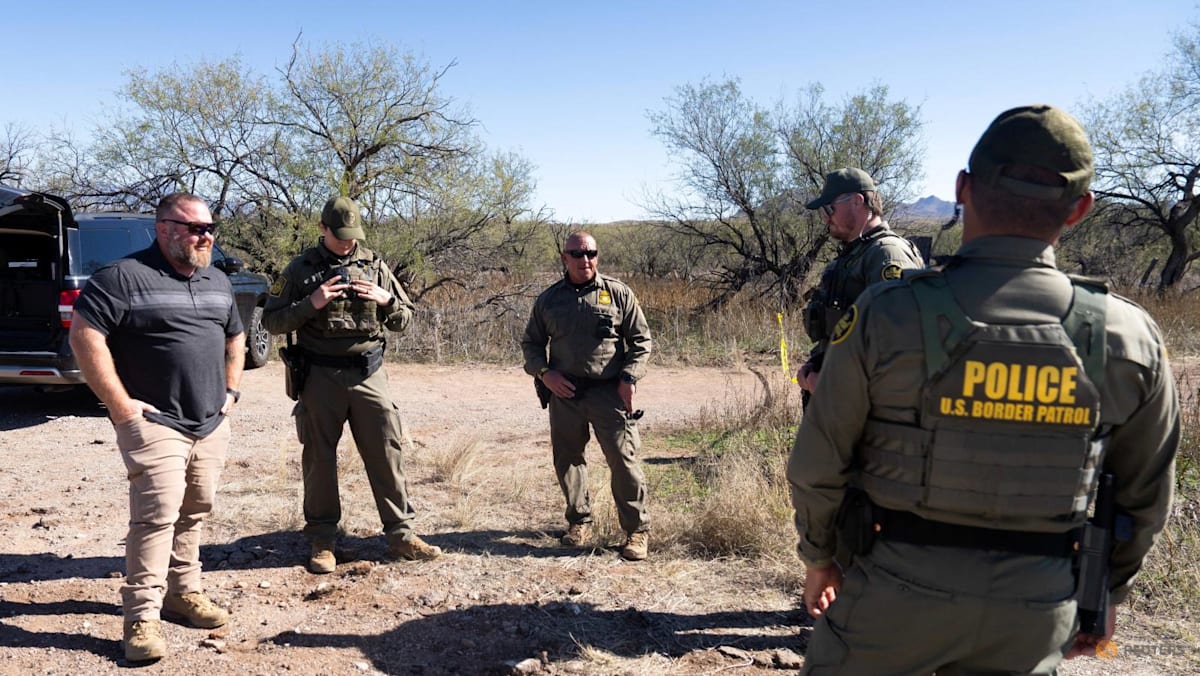

Border Patrol Shooting Sparks Renewed Debate on Immigration Policy and Gun Control in the U.S.
Overview of Recent Shootings
A U.S. Border Patrol agent was involved in a shooting in Pima County, Arizona, near the U.S.-Mexico border on January 27, 2026, leaving one person critically injured, according to the Pima County Sheriff's Office. This incident occurred during an enforcement operation, and fortunately, no agents were harmed. This shooting follows a fatal ICE-involved incident in Minneapolis on January 7, 2026, which prompted calls from the White House for de-escalation amid significant political backlash. The Minneapolis case, closely linked to immigration enforcement, has amplified tensions surrounding border security and law enforcement practices.
Historical Context: A Pattern of Violence
These recent incidents fit into a troubling timeline of gun violence in January 2026, which includes a dentist and his wife shot dead in Columbus on January 2, the Uvalde school shooting response trial beginning on January 5, a prank-related shooting in North Carolina on January 6, and Brown University's post-shooting healing initiative on January 7. The Uvalde shooting in 2022 set a precedent for scrutinizing law enforcement tactics, fueling ongoing debates about gun control and response protocols. Past events like Uvalde have significantly shaped public perceptions, linking school safety to broader enforcement violence and prompting recurring policy reviews regarding the arming of federal agents.
The Immigration and Gun Control Nexus
The intersection of immigration enforcement and gun violence is becoming increasingly evident. Border Patrol and ICE shootings highlight how immigration enforcement—intensified under Trump-era policies—intersects with gun violence. Confirmed data shows that agents often face armed suspects, as reported by Fox News, yet critics argue that current tactics escalate risks. Gun rights advocates, such as Dudley Brown cited in Newsmax, defend Second Amendment protections following the Minneapolis incident, disputing White House narratives. Historical shootings like Uvalde underscore tactical flaws, influencing demands for de-militarizing borders while preserving necessary enforcement amid rising crossings.
Public Response and Policy Implications
Reactions to these incidents are polarized. Rep. Mike Lawler (R-NY) has called for a reassessment of immigration enforcement tactics. Social media is abuzz with reactions: @GunOwners tweeted, "Another law enforcement hero—stop blaming agents for criminal violence #2A," garnering 15K likes; meanwhile, @ImmJusticeNow posted, "Border Patrol's trigger-happy era must end—#DefundCBP," which received 20K retweets. Protests are anticipated in Arizona, echoing the unrest seen in Minneapolis. The implications of these events may lead to heightened scrutiny of federal arming policies, potentially stalling Trump-era immigration initiatives.
Looking Ahead: Predictions for Policy Change
Public sentiment trajectories suggest a renewed push for comprehensive immigration reform tied to stricter gun controls in the 2026 legislative sessions. Continued incidents could significantly influence the midterm elections, bolstering Democrats' narratives on enforcement reform while galvanizing gun rights advocates. Observers should watch for congressional hearings focused on agent training and exploring alternatives to current border technology.
This is a developing story and will be updated as more information becomes available.
(Word count: 607)






