
Blizzard Strikes Vladivostok, Causing Significant Disruptions in Russia's Far East
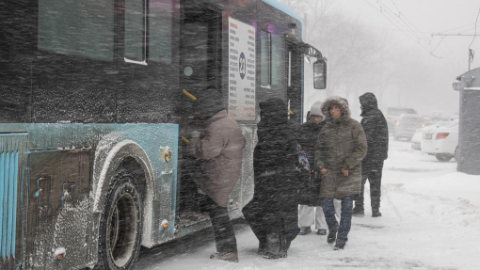
Vladivostok, Russia — A blizzard of medium severity swept through Vladivostok on Saturday, January 10, 2026, at approximately 12:38 UTC, leading to widespread weather disruptions in the Russian Far East port city.
The storm, which struck the Primorsky Krai region, has brought heavy snowfall, strong winds, and reduced visibility, impacting transportation, daily commutes, and essential services. According to reports, the blizzard has caused significant interruptions, though specific casualty figures or damage assessments were not immediately available from initial coverage.
Vladivostok, home to around 600,000 residents and a key Pacific gateway for Russia, is no stranger to extreme winter weather. Situated on the Golden Horn Bay near the borders of China and North Korea, the city experiences some of the harshest conditions in Russia's Far East during the winter months. Average January temperatures hover around -12°C (10°F), with snowfall totals often exceeding 50 centimeters (20 inches) in severe events. This blizzard aligns with the region's typical seasonal patterns, exacerbated by its coastal location which amplifies wind speeds and moisture from the Sea of Japan.
Local authorities have likely activated emergency protocols, as is standard for such events in Russia. Past blizzards in the area, such as those in 2018 and 2021, led to airport closures, road blockages, and power outages affecting thousands. While details on the current storm's precise impacts remain emerging, the medium severity classification suggests disruptions comparable to those historical episodes, including potential delays at Vladivostok International Airport and interruptions to maritime operations at the city's vital port.
Regional Context and Historical Precedence
Russia's Far East has faced a series of severe weather challenges in recent winters, influenced by shifting Arctic weather patterns and climate variability. The Russian Federal Service for Hydrometeorology and Environmental Monitoring (Rosgidromet) frequently issues warnings for blizzards in Primorsky Krai between December and February. In the 2023-2024 winter season, for instance, Vladivostok recorded over 100 cm of snow in a single month, straining infrastructure and prompting federal aid.
This event occurs amid broader meteorological trends across Russia. Siberia and the Far East have seen intensified snowstorms linked to polar vortex disruptions, while western regions grapple with thaws and floods. Climate data from the World Meteorological Organization indicates that extreme weather frequency in Russia's eastern territories has risen by 15-20% over the past decade, attributed to warmer sea surface temperatures feeding moisture into cold air masses.
In Vladivostok specifically, the blizzard's timing coincides with peak winter tourism and trade activity. The city serves as the terminus for the Trans-Siberian Railway and a hub for exports to Asia. Disruptions could ripple through supply chains, particularly affecting seafood processing—a cornerstone of the local economy—and cross-border trade with China via the nearby Suifenhe border crossing.
Emergency response in Russia typically involves the Ministry of Emergency Situations (EMERCOM), which deploys snowplows, heating shelters, and rescue teams. Historical responses have included restrictions on vehicle movement and school closures, measures expected to be implemented here given the storm's medium severity.
Immediate Impacts and Response Efforts
Initial reports highlight "significant weather disruptions," likely encompassing grounded flights, halted bus services, and challenges for maritime traffic. Visibility during blizzards in this region can drop below 100 meters, posing risks to drivers and pedestrians alike. Residents are advised to stay indoors, avoid unnecessary travel, and prepare for potential power fluctuations, as heavy snow often burdens electrical grids.
Xinhua's coverage, published at the onset of the storm, underscores the event's immediacy, marking it as a developing story. Russian state media outlets, such as TASS and RIA Novosti, have historically provided real-time updates on such incidents, often coordinating with local governors for official statements.
Outlook and Broader Implications
Forecasts suggest the blizzard may persist through Sunday, January 11, with accumulation potentially reaching 20-30 cm in Vladivostok. Clearing efforts will be prioritized to restore normalcy, drawing on the city's experience with annual snow management operations that clear thousands of tons annually.
This event serves as a reminder of Russia's vulnerability to severe weather in its expansive territories. As climate patterns evolve, experts anticipate more frequent and intense storms, prompting investments in resilient infrastructure. For now, Vladivostok braces as the storm unfolds, with monitoring agencies tracking its progression.
(Word count: 612)