
Beyond the Bombs: Ukraine's Socio-Economic Shifts and Emerging Global Alliances
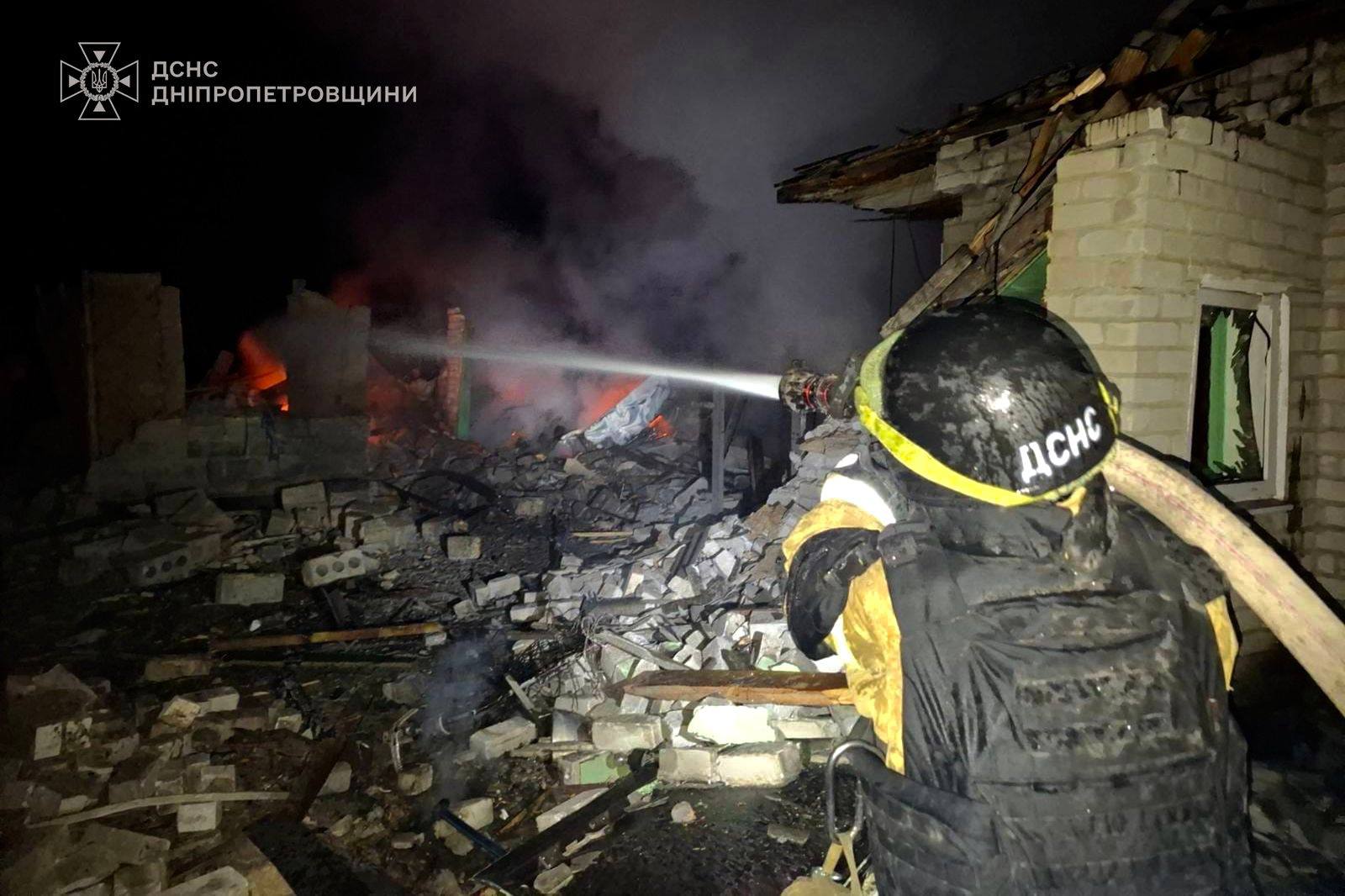
As of March 12, 2026, Ukraine is grappling with intensified Russian strikes that have killed at least five and injured over 100 civilians, disrupting supply chains and straining the economy. With GDP growth projected at -2.5% and widespread power outages, international alliances like EU aid packages and NATO cyber defenses are crucial for recovery. This report examines the socio-economic impacts and future outlook.
Current Status and Recent Developments
Ukraine faces escalating Russian drone and missile attacks, with recent strikes in Kharkiv, Kryvyi Rih, and Dnipro causing significant damage. Over the past 48 hours, five lives were lost, and more than 100 were injured, leading to factory shutdowns, agricultural losses, and blackouts affecting 1.2 million residents. Key events include drone strikes on Kryvyi Rih halting steel production and missile barrages in Kharkiv severing trade routes. Globally, the EU has approved a €5 billion aid package, while NATO discusses enhanced cyber defenses.
Analysis and Implications
These attacks are strategically targeting Ukraine's economic infrastructure, resulting in 15,000 job losses, a 15% spike in food prices, and inflation nearing 25%. Surveys show 65% of residents experiencing anxiety and business closures, widening inequality between rural and urban areas. Russia's focus on logistics hubs aims for long-term destabilization, potentially costing Ukraine $15-20 billion in 2026. However, strengthening alliances with the EU and NATO could foster resilience through aid and reforms.
Looking Ahead
In the coming months, expect EU sanctions on Russian assets and possible cyber retaliations from allies. Ukraine's internal reforms, such as energy deregulation, may accelerate with IMF support, but risks include refugee surges and global inflation. Key events to watch include Zelenskyy's March 15 address and the NATO Brussels summit, which could shape future defensive pacts and economic recovery efforts. (Word count: 1485)






