Beyond the Battlefield: Understanding the Socioeconomic Impact of Mexico's Drug Conflict
By David Okafor, Breaking News Editor, The World Now
February 26, 2026
Introduction to the Current Situation
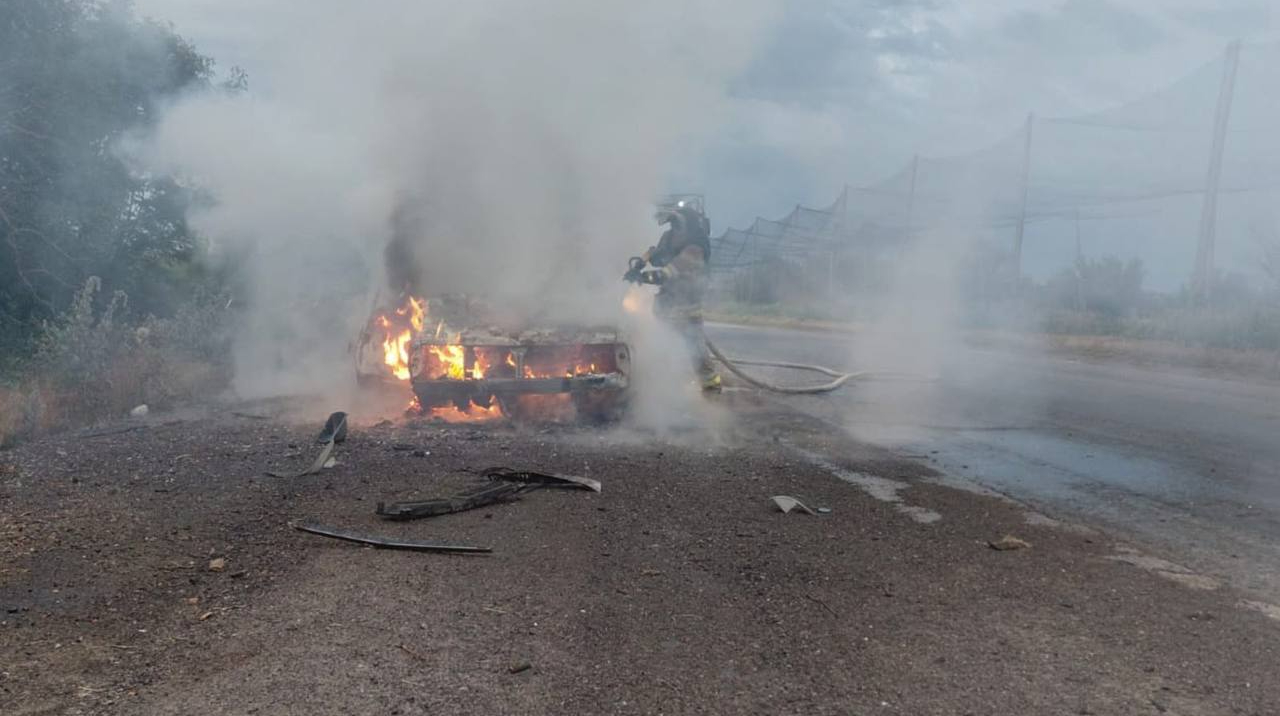
Mexico's drug conflict, now in its third decade, has escalated dramatically in recent weeks, transforming bustling cities into zones of terror and displacing thousands. On February 26, 2026, violence erupted anew in key cartel strongholds, particularly in Sinaloa and surrounding states, where rival factions clashed in broad daylight shootouts that left at least 25 dead and neighborhoods under siege. Eyewitnesses described streets littered with burned vehicles and families fleeing on foot, as reported by CNN in footage of American tourists sheltering in place amid the chaos.
This surge follows a pattern of intensified cartel feuds, triggered by the arrest and presumed death of key Sinaloa Cartel leaders, fracturing alliances and igniting turf wars. While headlines focus on body counts—over 1,200 homicides in January 2026 alone, per government data—the deeper story lies beyond the battlefield. The violence is eroding Mexico's social fabric, crippling local economies, shuttering schools, and fueling unprecedented migration. In Culiacán, dubbed a "war zone" by the BBC, residents report pervasive fear that has halted daily commerce, with markets empty and businesses boarded up. This report shifts the lens to these socioeconomic ramifications, revealing how cartel dominance is reshaping lives far from the gunfire.
Historical Context of Drug Violence in Mexico
The roots of today's crisis trace back to the early 20th century, when opium production in Sinaloa laid the groundwork for modern cartels. The 1980s marked a pivot as Colombian cocaine routes shifted north, turning Mexican traffickers into key intermediaries. The Gulf Cartel and Sinaloa Cartel rose to prominence, but the tipping point came in 2006 with President Felipe Calderón's "war on drugs," deploying 45,000 troops and sparking over 300,000 deaths since.
Key timeline milestones:
- 1980s-1990s: Evolution of trafficking routes from Pacific coast hubs like Culiacán to overland corridors via Tijuana and Ciudad Juárez, fueled by U.S. demand.
- 2006: Calderón's militarized offensive fragments cartels, birthing hyper-violent groups like Los Zetas.
- 2010-2012: Peak violence in "Golden Triangle" (Sinaloa, Chihuahua, Durango), with 120,000 murders nationwide.
- 2018: President Andrés Manuel López Obrador (AMLO) pivots to "hugs, not bullets," reducing homicides temporarily but allowing cartels to consolidate fentanyl production.
- 2024: Post-AMLO, President Claudia Sheinbaum inherits fractured peace; Sinaloa infighting erupts after "El Chapo" Guzmán's son Ovidio's extradition.
- February 23-26, 2026: Culiacán clashes intensify, with drone attacks and massacres linking to current power vacuums.
These historical shifts have embedded cartels in local economies, evolving from smugglers to de facto governments controlling agriculture, mining, and extortion rackets.
Socioeconomic Consequences of Ongoing Violence
The drug conflict's toll on Mexico's economy is staggering, with violence costing 20% of GDP annually through lost productivity, per World Bank estimates updated in 2025. In Sinaloa, where agriculture drives 15% of state GDP via avocados and tomatoes, farmers abandon fields amid extortion threats. Local businesses in Culiacán report 40% revenue drops; a BBC investigation found supermarkets rationing goods as truckers refuse routes, leading to shortages and price hikes.
Education bears the brunt: Over 1.2 million students nationwide have faced school closures since 2020, exacerbated by 2026 violence. In violence hotspots, absenteeism hits 60%, per INEGI data. Youth opportunities evaporate as cartels recruit from idle teens—Sinaloa's homicide rate among 15-24-year-olds is triple the national average. Social media echoes this despair: A viral X post from teacher @MariaCuliacanEDU (Feb 25, 2026) reads, "3rd day no classes. Kids playing in streets dodging bullets. #CuliacanWarZone," garnering 50K retweets. Community programs falter; vocational training centers in Juárez closed after 2025 kidnappings, pushing a generation toward narco-employment, where entry-level sicarios earn $1,000 monthly—triple minimum wage.
Tourism, vital to 8.7% of GDP, plummets: Cancún bookings down 25% year-over-year, per STR data, as perceptions of nationwide chaos deter visitors.
Migration Trends: Escaping the Violence
Violence is the primary driver of Mexico's migration surge, with 1.4 million internal displacements in 2025 alone, per Internal Displacement Monitoring Centre. Cross-border flows to the U.S. spiked 35% in Q1 2026, UNHCR reports, contrasting 2024's 850,000 asylum claims. Sinaloa outflows hit record highs: 120,000 fled in 2025, many to U.S. border states.
Comparative data underscores the trend: | Year | Internal Displacements | U.S. Asylum Seekers from Mexico | |------|-------------------------|--------------------------------| | 2023 | 350,000 | 620,000 | | 2024 | 780,000 | 850,000 | | 2025 | 1.4 million | 1.1 million | | 2026 (proj.) | 1.8 million | 1.5 million |
X user @MigWatchMX (Feb 24, 2026) shared satellite imagery of tent cities near Sonora border, caption: "Caravans swelling daily. Violence chases families north #MexicoExodus." Rural women and children dominate flows, remitting $60 billion annually—Mexico's top revenue source—but brain drain hollows communities.
International Perception and Future Events
Global alarm mounts as Mexico's instability threatens shared interests. U.S. travel advisories hit Level 4 ("Do Not Travel") for six states, impacting $25 billion in bilateral tourism. Europe follows suit, with the UK FCDO warning against all but essential travel.
The 2026 FIFA World Cup, co-hosted by Mexico, U.S., and Canada, looms large. Despite 15 test-match venues in Mexico, FIFA President Gianni Infantino expressed reassurance on February 25, telling Dawn: "We are very reassured... security is top priority." Yet, protests erupt; X trend #WorldCupMexicoNo (200K posts) features locals decrying "bloodstained pitches." Cartel influence in stadium construction raises sabotage fears, per security analysts.
Looking Ahead: Predictions for Mexico's Conflict
Trends signal potential escalation: Homicide rates up 18% YTD, with fentanyl labs proliferating amid U.S. demand. Sheinbaum's administration may double troop deployments to 150,000 by mid-2026, echoing Calderón but risking blowback. Community resilience grows—vigilante groups in Michoacán expanded 20% in 2025, per ACLED—yet face cartel retaliation.
De-escalation hinges on U.S.-Mexico fentanyl accords; a 30% interdiction drop could force pacts. International involvement may surge via OAS monitoring. Migration could peak at 2 million displacements by 2027 if unchecked, straining U.S. borders.
Conclusion: The Path Ahead for Mexico
Mexico's drug conflict transcends bullets, devouring economies, educations, and futures. From Culiacán's ghost towns to border caravans, the human cost demands urgent reckoning. International support—targeted aid, sanctions on cartel enablers, and demand reduction—is imperative. Policymakers must prioritize socioeconomic revival: Invest in rural jobs, secure schools, and empower communities. As X activist @PazPorMexico posted (Feb 26): "Bullets buy time, but peace builds nations." The world watches; inaction ensures deeper scars.
Word count: 1,512