
Berlin Reels from Travel Chaos and Power Blackouts as Severe Cold Snap Hits Germany
Berlin, Germany – A brutal cold snap sweeping across Europe has plunged Berlin into disarray, with snow, ice, and freezing temperatures causing widespread travel disruptions and leaving tens of thousands of households without electricity. The severe weather event, which intensified on January 5, 2026, has compounded an ongoing power outage in the German capital, raising alarms about infrastructure resilience amid extreme winter conditions.
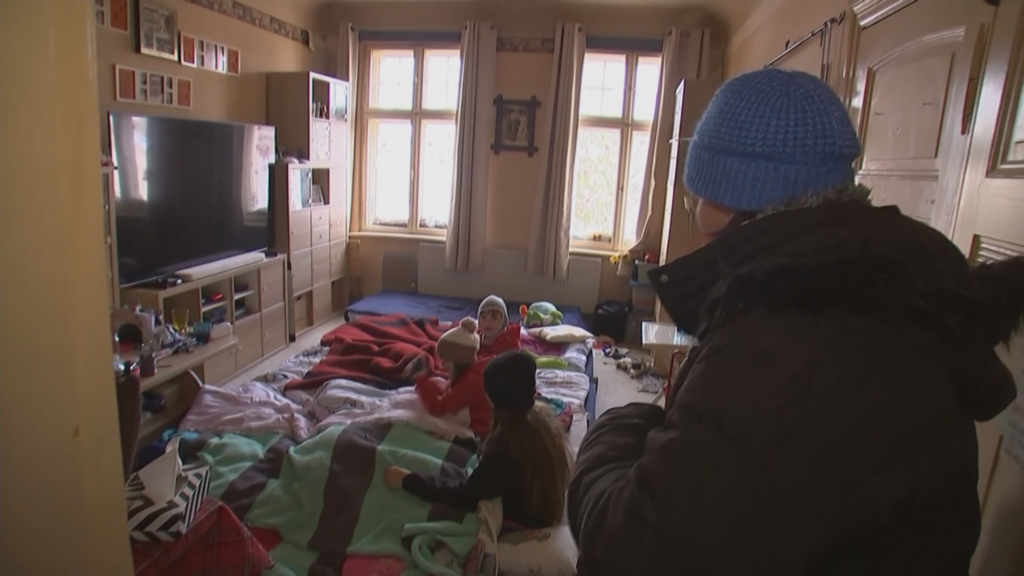
The disruptions began escalating early on Monday, January 5, at approximately 07:21 GMT, when heavy snow and ice blanketed Berlin, leading to significant chaos on roads, railways, and airports. Commuters and travelers faced canceled flights, delayed trains, and treacherous driving conditions, stranding thousands. Power outages, affecting households across the city, have persisted since Saturday, January 4, exacerbating the crisis as sub-zero temperatures dip further, making unheated homes increasingly uninhabitable for vulnerable residents.
According to reports, the power blackout in Berlin stems from a suspected arson attack on electrical infrastructure, claimed by a left-wing extremist group. This incident has knocked out electricity to tens of thousands of households, with restoration efforts hampered by the harsh weather. Freezing conditions have not only prolonged the outage but also intensified the hardship, as residents bundle up against the cold without heating or lighting. The combination of meteorological extremes and the targeted attack has sparked urgent questions about the vulnerability of Germany's power grid, particularly in urban centers like Berlin.
Widespread Impacts Across Berlin and Beyond
In Berlin, the epicenter of the disruptions, emergency services have been stretched thin. Snow accumulation and icy roads have led to multiple accidents, mirroring a pattern of deadly incidents reported across Europe due to the cold snap. Public transportation ground to a halt in many areas, with the city's U-Bahn and S-Bahn lines experiencing severe delays or suspensions. Berlin Brandenburg Airport (BER) reported numerous flight cancellations, affecting international connections and stranding passengers in terminals without reliable power.
The power outage, initially triggered before the weather worsened, has left neighborhoods in darkness and without essential services. Utility companies, including Berlin's main provider Vattenfall, have deployed teams to repair damaged substations, but icy conditions and high winds have slowed progress. Authorities have opened emergency warming centers in schools and community halls to shelter those most at risk, including the elderly and homeless populations.
This event is part of a broader cold snap gripping much of Europe, where similar weather has caused travel mayhem from the UK to Scandinavia. In Germany, the severe weather has not been isolated to Berlin; northern and eastern regions have seen comparable snowfalls, leading to school closures and freight delays on major highways like the A2 and A24.
Background: Europe's Winter Vulnerabilities and Germany's Infrastructure Challenges
Extreme winter weather is not unprecedented in Germany, where cold snaps have historically tested the nation's preparedness. The current event echoes the deadly Storm Eunice in 2022 and the Beast from the East in 2018, which brought record snow and disruptions across the continent. Climate patterns, including a polar vortex dipping southward, have been cited by meteorologists as drivers of such snaps, with the European Centre for Medium-Range Weather Forecasts (ECMWF) predicting prolonged low temperatures into mid-January 2026.
Germany's energy infrastructure adds another layer of complexity. The country has undergone a significant transition under its Energiewende policy, phasing out nuclear power and boosting renewables. While this has increased reliance on wind and solar, winter lows in solar output and variable winds expose grids to strain. The suspected arson attack highlights emerging security threats to critical infrastructure, amid rising concerns over sabotage by extremist groups. German officials have previously warned of such vulnerabilities, with Interior Minister Nancy Faeser noting in 2025 reports an uptick in attacks on energy facilities.
The timing of the blackout—coinciding with peak heating demand—underscores these risks. Federal Network Agency data from recent winters shows that cold spells can spike electricity use by up to 30%, pressuring aging transmission lines prone to weather-related failures.
Outlook: Restoration Efforts and Warnings
As of January 6, utility crews are working around the clock to restore power, with hopes of reconnecting most households by week's end, weather permitting. Berlin Mayor Kai Wegner has urged residents to conserve energy and avoid unnecessary travel, while the German Weather Service (DWD) has issued high-level warnings for continued snow and ice through Thursday.
Nationally, the government is coordinating with EU partners for potential aid, drawing on mutual assistance protocols activated during past crises. Investigations into the arson claim are underway by federal prosecutors, who have classified it as a potential terrorist act.
This episode serves as a stark reminder of the interplay between natural extremes and human factors in modern infrastructure challenges. With climate variability expected to intensify such events, experts anticipate calls for bolstered grid fortifications and enhanced security measures in the coming months.
(Word count: 712)