
Berlin Police Open Terrorism Investigation into Suspected Far-Left Arson Attack on Power Cables
Berlin, Germany – Authorities in the German capital have launched a terrorism investigation following a major arson attack on power infrastructure that left tens of thousands of residents and businesses without electricity, with suspicions pointing toward a far-left extremist group.
The incident, which began on Sunday, January 4, 2026, at approximately 14:16 GMT, targeted critical power cables in Berlin, plunging at least 45,000 households and 2,200 companies into darkness. Power restoration efforts were still underway as of Wednesday, January 7, highlighting the scale of the disruption to the city's energy grid. Berlin police have classified the event as a high-severity incident, suspecting involvement by far-left militants amid a probe now formally categorized as terrorism-related.
Details of the Attack and Immediate Aftermath
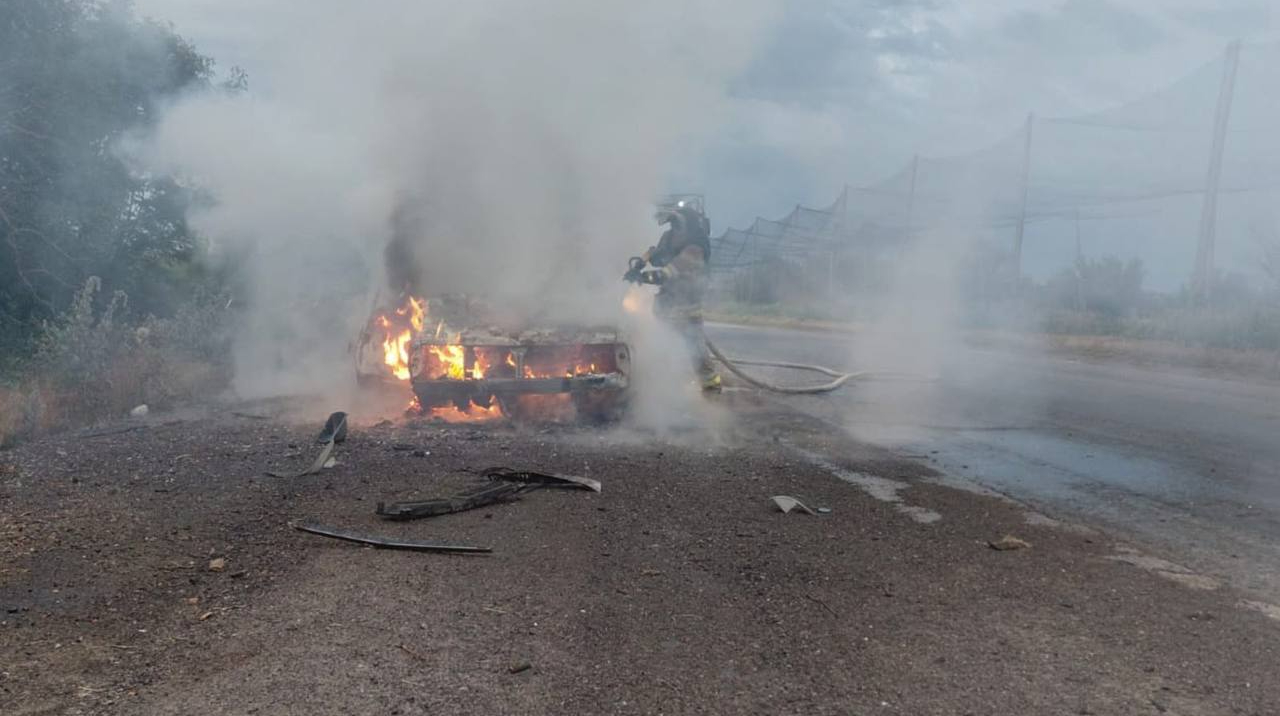
The fire, which investigators believe was deliberately set, struck key power cables essential for supplying electricity across parts of Berlin. According to reports, the blaze caused widespread outages that persisted for days, affecting daily life, businesses, and potentially critical services in the densely populated urban area. Emergency responders acted swiftly to contain the fire, but the damage to underground or overhead cabling infrastructure proved extensive, complicating repair timelines.
Berlin police have not released specific details on evidence linking the attack to far-left actors, but the rapid escalation to a terrorism investigation underscores the gravity of the suspicions. In Germany, far-left extremism has historically involved sabotage against symbols of capitalism and state infrastructure, often claimed by autonomous groups or anarchists. This incident fits a pattern of such tactics, though no group has yet publicly claimed responsibility.
Power companies worked around the clock to reroute electricity and repair lines, but as of the latest updates on Wednesday, some areas remained affected. The outage's timing—over a weekend extending into the workweek—amplified its impact, disrupting heating, lighting, and operations in one of Europe's largest cities.
Broader Context of Extremism in Germany
Germany has faced a persistent challenge from far-left extremism, particularly in urban centers like Berlin, which has long been a hub for radical political activism. Groups associated with the "autonome" scene or anti-capitalist militants have previously targeted transportation, construction sites, and energy facilities through arson and sabotage. Notable precedents include attacks on railway lines and Tesla's Gigafactory near Berlin by self-described left-wing extremists protesting environmental and corporate issues.
According to Germany's domestic intelligence agency, the Federal Office for the Protection of the Constitution (BfV), left-wing extremist violence has been on the rise in recent years. In 2024 and 2025, authorities recorded hundreds of arson incidents linked to far-left motives, often aimed at disrupting infrastructure perceived as emblematic of globalization or fossil fuel dependency. Berlin, with its vibrant protest culture, has been a hotspot, hosting frequent demonstrations that occasionally escalate into property damage.
This attack occurs against a backdrop of heightened security concerns across Europe. Germany's power grid, managed by entities like Vattenfall in Berlin, has been modernized but remains vulnerable to targeted sabotage, as evidenced by past incidents during climate protests. The BfV monitors around 40,000 left-wing extremists nationwide, with a core of several thousand considered capable of violence.
The terrorism designation allows investigators broader powers, including enhanced surveillance and coordination with federal agencies. Police have urged the public to provide tips on suspicious activities around the site, though no arrests have been announced.
Implications for Public Safety and Infrastructure Security
The incident raises fresh questions about the resilience of critical infrastructure in Germany, Europe's largest economy. Power outages of this magnitude not only inconvenience residents but can strain emergency services, hospitals, and transportation networks. In Berlin's cold January weather, the loss of heating posed additional risks to vulnerable populations.
Government officials have yet to issue a formal statement, but the swift terrorism probe signals a firm response. Energy providers may now accelerate investments in hardened cabling and surveillance, following similar disruptions in other European cities.
As the investigation unfolds, Berlin residents remain vigilant. Restoration efforts continue, but the event serves as a stark reminder of domestic terrorism threats in an otherwise stable democracy. Further updates are expected as forensic analysis yields results, potentially shedding light on the perpetrators' motives and methods.
(Word count: 612)