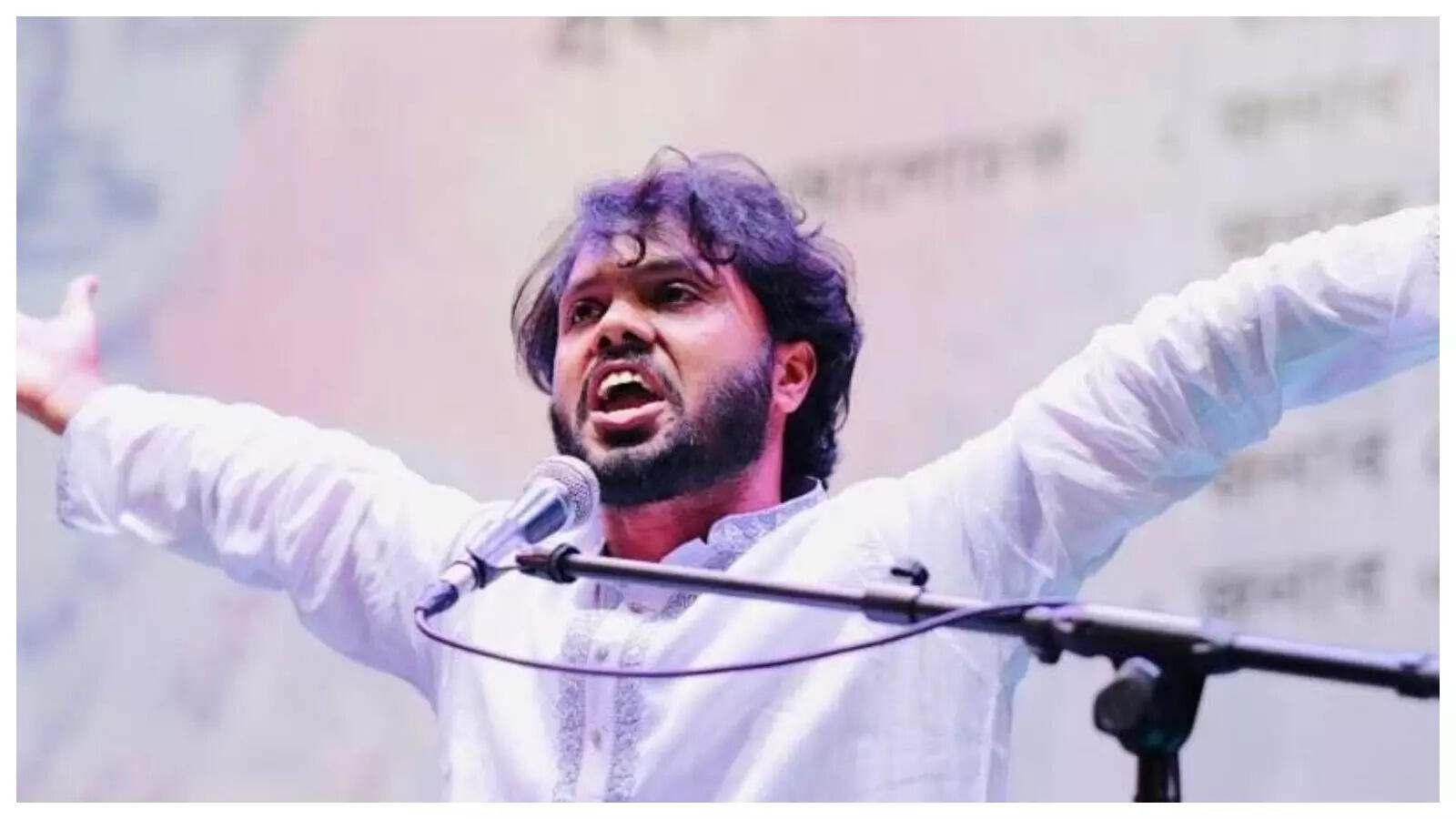

Bangladesh Police Charges 17 in Student Leader Hadi's Murder, Alleges 'Political Vengeance' by Awami League Affiliates
Dhaka, Bangladesh – January 6, 2026 – In a significant development amid lingering tensions from last year's mass uprising, Dhaka Metropolitan Police has filed a chargesheet naming 17 individuals in the murder of prominent student leader Sharif Osman Hadi, explicitly attributing the crime to "political vengeance" orchestrated by members of the ousted Awami League's student wing, Chhatra League.
Hadi, a key figure in the student-led protests that toppled former Prime Minister Sheikh Hasina's government in August 2024, was shot in December 2025 and succumbed to his injuries shortly thereafter. The chargesheet, submitted to a Dhaka court, identifies the accused as active participants in the Awami League's youth and student organizations, framing the assassination as retaliation for Hadi's role in the anti-government demonstrations.
Police investigations revealed that the assailants targeted Hadi due to his vocal opposition during the height of the quota reform protests, which evolved into a nationwide revolution. "The murder was carried out out of political vengeance," the chargesheet states, according to reports from Dhaka Metropolitan Police (DMP) Detective Branch officials. Among the named suspects are several former Chhatra League leaders, known for their allegiance to Hasina's regime, which ruled Bangladesh for 15 years until its dramatic collapse.
The filing marks a continuation of accountability efforts under Bangladesh's interim government, led by Nobel laureate Muhammad Yunus since August 2024. Authorities have pursued numerous cases related to violence during the protests, where security forces and ruling party affiliates were accused of suppressing demonstrators.
Details of the Chargesheet and Investigation
The DMP's 200-page chargesheet details the sequence of events leading to Hadi's death. Hadi was reportedly ambushed and shot by a group linked to Chhatra League operatives while participating in follow-up rallies demanding justice for protest martyrs. Forensic evidence, witness testimonies, and digital surveillance footage were cited as key to identifying the 17 accused, several of whom remain at large.
Dhaka police officials emphasized the political motivations, noting that Hadi had emerged as a symbol of resistance against what protesters called the "Awami fascist regime." The document accuses the suspects of premeditated planning, including reconnaissance of Hadi's movements and coordination via party networks.
This case is part of a broader pattern of post-uprising prosecutions. Since Hasina fled to India on August 5, 2024, Bangladesh has seen hundreds of arrests and chargesheets against former Awami League members for alleged atrocities during the quota protests, which began in July 2024 over a controversial job reservation system favoring descendants of 1971 Liberation War veterans—perceived as a tool to entrench party loyalists.
Background: From Quota Protests to Revolution
The unrest traces back to June 2024, when Bangladesh's Supreme Court reinstated a 30% quota for freedom fighters' kin in government jobs, sparking student outrage amid high youth unemployment. What started as campus sit-ins at Dhaka University ballooned into the country's largest anti-government movement in decades, with protesters demanding Hasina's resignation.
Violence escalated in July and August, with clashes resulting in over 1,300 deaths, according to official tallies from the interim government. Security forces, alongside Chhatra League and Jubo League activists, were implicated in shootings, beatings, and enforced disappearances. Hadi, as a coordinator for student groups like the Anti-Discrimination Student Movement, helped organize blockades and marches that paralyzed Dhaka.
The tipping point came on August 5, 2024, when Hasina escaped by helicopter amid army intervention. An interim administration was installed, pledging reforms, elections by late 2025, and trials for protest-related killings. Chhatra League, banned shortly after, has been accused in dozens of similar cases.
Hasina, now in exile, denies involvement in the violence, while her party claims the charges are politically motivated witch hunts. International observers, including the UN and human rights groups like Amnesty International, have called for impartial investigations to ensure justice without vendettas.
Ongoing Unrest and Implications
The chargesheet arrives as Bangladesh grapples with sporadic civil unrest. Recent months have seen revenge attacks on Awami League offices, counter-protests, and economic fallout from the upheaval, including factory shutdowns in the garment sector. The Yunus government faces pressure to stabilize the nation ahead of promised polls, amid economic woes like inflation and IMF bailout talks.
Legal experts anticipate the court will issue arrest warrants soon, potentially leading to trials that could implicate higher Awami League echelons. "This is a step toward healing the wounds of the revolution," a DMP spokesperson said, underscoring the case's role in addressing grievances from the uprising.
As investigations continue, the Hadi case underscores the deep political fault lines persisting 18 months after Hasina's fall, with student activists hailing it as vindication and Awami League remnants decrying it as persecution. Bangladesh's path to reconciliation remains fraught, with justice processes under global scrutiny.
(Word count: 682)






