
Baloch Leader Warns of Potential Chinese Military Deployment in Balochistan
A prominent Baloch leader has raised alarms over a possible Chinese military deployment in the Balochistan region of Pakistan, emphasizing the implications of the deepening strategic partnership between China and Pakistan. Mir Yar Baloch, who leads a faction advocating for Baloch rights and autonomy, has called for India to support Baloch resistance forces amidst growing concerns regarding repression in the area.
In a statement released on January 2, 2026, Baloch articulated fears that the increased military presence from China could exacerbate the already tense situation in Balochistan, where local populations have long protested against perceived neglect and repression by the Pakistani government. According to Baloch, the infrastructure and military projects stemming from the China-Pakistan Economic Corridor (CPEC) are not only economically motivated but may also be a pretext for China to extend its military footprint in the region.
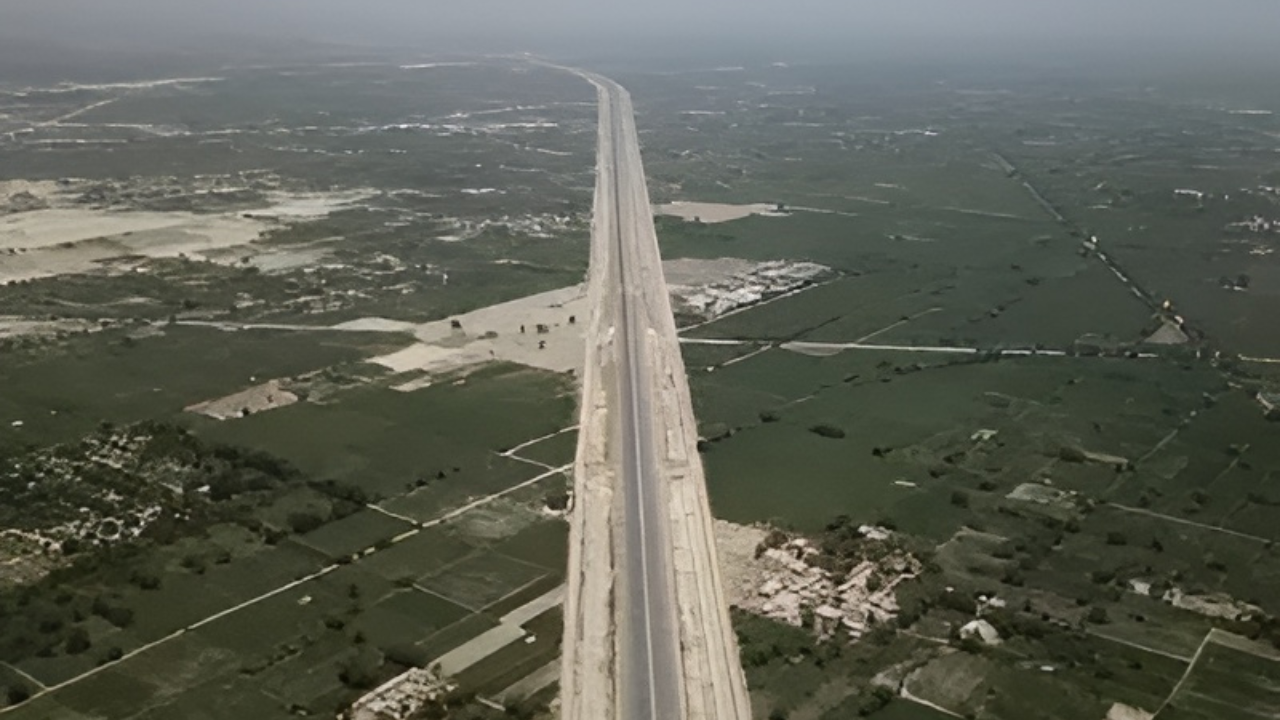
The potential deployment is linked to CPEC, a flagship project under China's Belt and Road Initiative that aims to enhance connectivity and trade between China and Pakistan. Baloch leaders argue that while the initiative has promised infrastructural development, it has simultaneously led to increased military and economic control over Baloch resources and land. As the relationship between Beijing and Islamabad strengthens, Baloch activists fear that their voices will be further marginalized.
Baloch's call for India’s assistance is rooted in a broader geopolitical context, where regional dynamics have increasingly involved China, India, and Pakistan in a complex interplay of alliances and rivalries. "The deepening ties between China and Pakistan pose a significant threat not only to Balochistan but to the broader region," Mir Yar Baloch stated in his letter to Indian External Affairs Minister S. Jaishankar.
The Balochistan region has been a hotspot for unrest and conflict, primarily driven by demands for greater autonomy and control over its natural resources. Various Baloch nationalist groups, many of which have engaged in armed resistance against the Pakistani state, have expressed apprehension about the implications of foreign military involvement in their region. The prospect of a Chinese military presence is viewed by these groups as an extension of colonial-like dominance, further oppressing local populations.
This warning comes at a time when Pakistan is facing significant internal challenges, including ongoing conflicts and economic difficulties exacerbated by the global economic climate. The situation in Balochistan remains precarious, with ongoing military operations against separatist groups and increasing civilian unrest.
Background
Balochistan, Pakistan's largest province by area, has a long history of ethnic tension and conflict. Following the independence of Pakistan in 1947, Baloch nationalists have consistently sought greater autonomy, leading to several insurgencies and violent confrontations with the Pakistani military. The CPEC has further complicated these dynamics, as it is seen as a means for the Pakistani government to consolidate control over the region while facilitating Chinese investment.
The international community has expressed varying degrees of concern over the implications of CPEC and the associated security arrangements, particularly regarding human rights in Balochistan. As the situation evolves, the potential for increased Chinese military involvement could spark further tensions not only within Pakistan but also in the broader South Asian region.
Conclusion
The warning from Mir Yar Baloch highlights the fragile state of affairs in Balochistan and the potential ramifications of foreign military involvement in the region. As China and Pakistan strengthen their strategic alliance, the voices of Baloch activists calling for autonomy and rights may face greater challenges. The call for Indian support exemplifies the complex geopolitical landscape that continues to shape the future of Balochistan amidst ongoing regional tensions.






