
Australia Declares State of Disaster as Bushfires Devastate Victoria Amid Intense Heatwave
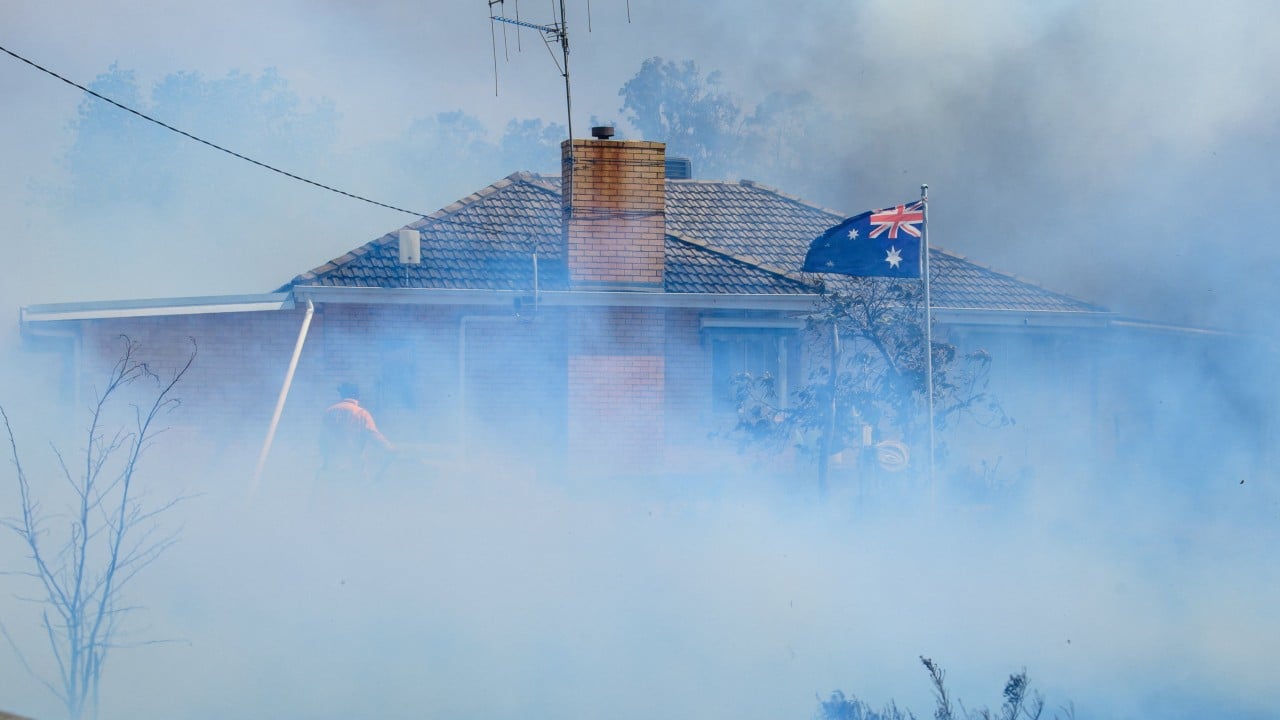
Melbourne, Australia – Authorities in Victoria state declared a state of disaster on Saturday, January 10, 2026, as bushfires fueled by a severe heatwave destroyed homes, razed vast areas of forest, and left tens of thousands without power across southeastern Australia.
The blazes, which began escalating earlier in the week, have scorched significant land areas, including nearly 150,000 hectares (370,000 acres) in one of the most destructive fires reported near key regions. Hot winds and temperatures exceeding 40 degrees Celsius (104 degrees Fahrenheit) have created some of the most dangerous fire weather conditions since the catastrophic "Black Summer" bushfires of 2019-2020. Officials issued urgent evacuation orders, with directives such as "leave, go" broadcast to residents in affected areas.
Major fires have impacted regions near the towns of Longwood and Walwa in Victoria, burning more than 3,000 hectares since Thursday, January 8. These incidents have led to the destruction of multiple homes and widespread power outages affecting tens of thousands of households. A heatwave warning remained in effect for large parts of Victoria on Saturday, while fire weather warnings extended to large areas of neighboring New South Wales.
Emergency services reported ongoing threats, with the combination of extreme heat, dry conditions, and strong winds exacerbating the spread. Power infrastructure has been severely disrupted, leaving communities without electricity amid soaring temperatures. Response efforts include aerial firefighting, ground crews, and road closures to facilitate evacuations and containment operations.
Escalating Crisis Amid Familiar Patterns
The current outbreak marks a rapid intensification of bushfire activity during what is typically Australia's summer fire season, which runs from late spring through early autumn. Fires ignited as early as January 8 near Longwood and Walwa, quickly growing due to the heatwave that blanketed Victoria. By January 10, the situation warranted the rare declaration of a state of disaster, granting authorities expanded powers for resource allocation and emergency measures.
This event echoes the scale and intensity of previous disasters. The Black Summer bushfires, referenced by officials, burned over 18 million hectares across Australia between 2019 and 2020, destroying more than 3,000 homes, killing 33 people, and affecting billions of native animals. That period was characterized by similar record-breaking heat and prolonged drought, conditions now recurring with climate patterns that have seen Australia experience more frequent extreme weather events.
Victoria, home to about 6.5 million people and including major urban centers like Melbourne, has been the epicenter. Rural and forested areas southeast of the state capital have borne the brunt, with blazes ripping through bushland and threatening communities. The South China Morning Post reported that one fire alone had consumed nearly 150,000 hectares, underscoring the rapid progression driven by meteorological factors.
Response and Warnings
Victorian authorities activated the state of disaster to streamline firefighting and relief operations. Emergency alerts urged immediate evacuations, emphasizing the slogan "leave, go" to prioritize safety. Channel News Asia highlighted the dual threats: a persistent heatwave warning in Victoria and active fire weather alerts across New South Wales, signaling potential spread to adjacent regions.
Firefighters are contending with challenging conditions, including low humidity and gusty winds that hinder containment. Power companies have reported outages to tens of thousands, complicating cooling efforts for residents and straining emergency services. No specific casualty figures have been confirmed, but the focus remains on preventing loss of life.
Broader Context of Australian Bushfires
Australia's geography—vast dry eucalyptus forests, frequent lightning strikes, and variable weather—predisposes it to bushfires. The Bureau of Meteorology has linked recent heatwaves to broader patterns of warmer-than-average summers. Historical data shows Victoria has faced major fires in 1939 (Black Friday), 1983 (Ash Wednesday), and more recently in 2019-2020, often amplified by El Niño influences or heat domes.
While investigations into ignition sources are ongoing, the interplay of climate variability and human factors like land management plays a recurring role. Federal and state governments have invested in mitigation since Black Summer, including expanded fuel reduction burns and early warning systems via apps like VicEmergency.
Outlook and Ongoing Threats
As of Saturday, the situation remains dynamic, with forecasts predicting continued high temperatures and wind shifts that could alter fire behavior. Officials anticipate prolonged efforts to bring blazes under control, potentially extending into next week. Recovery will involve assessing property damage, restoring power, and supporting displaced residents.
Communities in Victoria and New South Wales are bracing for further impacts, with residents advised to monitor updates from the Country Fire Authority and Rural Fire Service. The declaration of disaster underscores the gravity, aiming to safeguard lives amid one of the nation's most perilous fire starts to the year.
(Word count: 612)