
At Least 22 Ethiopian Migrants Killed in Horrific Road Crash Near Border
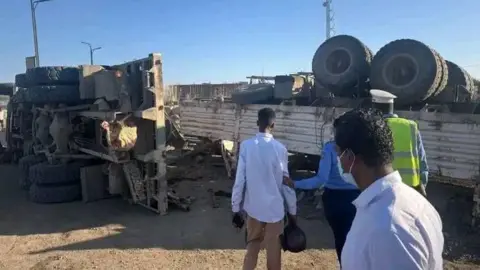
ADDIS ABABA, Ethiopia — A devastating road accident in Ethiopia has claimed the lives of at least 22 migrants en route to leave the country, authorities reported on January 6, 2026. The crash involved approximately 85 Ethiopian nationals traveling together, highlighting the perilous journeys undertaken by many seeking better opportunities abroad amid ongoing economic and security challenges.
The incident occurred earlier this week, with Ethiopian officials describing it as a "horrific" collision that underscores the dangers faced by vulnerable travelers on the nation's roadways. Details remain limited, but authorities confirmed that the migrants were part of a larger group attempting to exit Ethiopia, likely heading toward neighboring countries as a first step in longer migration routes. Rescue efforts were swiftly mobilized, though the exact location along the route—potentially near key border crossings—has not been publicly specified in initial reports.
This tragedy adds to Ethiopia's mounting toll from road accidents, which have long plagued the country due to factors such as overcrowded vehicles, poorly maintained infrastructure, and high-speed travel on winding rural roads. The World Health Organization (WHO) ranks Ethiopia among the nations with some of the highest road traffic death rates in Africa, with over 25 fatalities per 100,000 people annually as of recent data. In 2023 alone, the Ethiopian Ministry of Transport reported more than 4,000 road deaths nationwide, a figure that has shown little improvement despite government initiatives for better enforcement and vehicle standards.
Context of Migration and Road Risks in Ethiopia
Ethiopia's migration crisis provides critical backdrop to this event. The Horn of Africa nation, home to over 120 million people, has seen surging outflows driven by intertwined crises: a protracted civil war in the northern Tigray region that ended in a 2022 peace deal but left deep scars; ongoing ethnic conflicts in Amhara and Oromia; and severe economic pressures exacerbated by inflation, drought, and the lingering effects of the COVID-19 pandemic. The International Organization for Migration (IOM) estimates that hundreds of thousands of Ethiopians attempt irregular migration each year, often via treacherous overland paths to Sudan, Yemen, or directly toward Gulf states like Saudi Arabia.
Migrants frequently travel in large, overloaded groups using buses, minibuses, or trucks operated by informal networks known as "qarayet" in local parlance—unlicensed operators that prioritize speed over safety to evade checkpoints. These journeys are fraught with risks beyond crashes, including extortion, human trafficking, and violence at borders. A 2024 IOM report documented over 1,000 Ethiopian migrant deaths or disappearances along eastern and northern routes in the previous year, with road accidents comprising a significant portion.
In this case, the involvement of 85 migrants suggests a coordinated group movement, common in smuggling operations that promise passage to Europe or the Middle East. Ethiopian authorities have cracked down on such networks in recent years, arresting hundreds of traffickers, but the demand persists amid youth unemployment rates exceeding 25% and food insecurity affecting nearly 20 million people, according to United Nations figures.
Road safety experts point to systemic issues amplifying these dangers. Ethiopia's road network, spanning about 180,000 kilometers, is predominantly unpaved rural tracks ill-suited for heavy passenger loads. The African Development Bank notes that only 15% of vehicles are inspected regularly, and driver training remains inadequate. High-profile crashes, such as a 2022 bus plunge in the Oromia region that killed 30, have prompted calls for investment in safer transport, but funding constraints limit progress.
Government Response and Broader Implications
Ethiopian officials have expressed condolences and vowed investigations into the crash's causes, which may include mechanical failure, speeding, or adverse weather conditions common in the January dry season. The government’s Disaster Risk Management Commission is coordinating aid for survivors and families, though specifics on injuries—potentially dozens among the 85 travelers—remain unclear.
This accident occurs against a backdrop of heightened scrutiny on migrant safety. In late 2025, Ethiopia repatriated over 10,000 nationals from Saudi Arabia following mass deportations, straining resources and fueling further outflows. International partners, including the European Union and UNHCR, have ramped up funding for voluntary returns and awareness campaigns, but critics argue root causes like political instability must be addressed.
As investigations continue, this incident serves as a stark reminder of the human cost of migration in Ethiopia. With migration pressures unlikely to abate soon—projected IOM figures suggest up to 200,000 departures in 2026—authorities face mounting challenges in balancing border security with humanitarian protections and improving domestic travel safety.
(Word count: 612)