
Asia's Geopolitical Pivot Amid Middle East Strike: How Aviation Resumptions and Digital Trade Are Forging Economic Bridges
By Elena Vasquez, Global Affairs Correspondent, The World Now
The Story
The narrative unfolding across Asia this week paints a picture of quiet resilience amid brewing storms. On March 29, 2026, Air China announced the resumption of flights to Pyongyang, marking the first commercial service from mainland China to North Korea since the COVID-19 pandemic halted them in early 2020. This isn’t just about airplanes taxiing runways; it’s a lifeline for ordinary people—separated families eager for reunions, traders eyeing cross-border opportunities, and diplomats testing thawed relations. Passengers boarding these flights carry more than luggage; they embody hope in a nation long isolated, where even a single weekly service could inject vital economic oxygen into a faltering economy strained by sanctions and self-imposed seclusion.
Simultaneously, Singapore, alongside 65 other World Trade Organization members representing over 90% of global trade, unveiled the first comprehensive set of rules for digital trade on March 28. These plurilateral agreements aim to slash red tape on e-commerce, data flows, and source code protections, potentially unlocking trillions in digital economy value. For small businesses in Jakarta or Manila, this means seamless cross-border sales without the bureaucratic quagmire that has long stifled growth. It’s a human story too: entrepreneurs like a young Vietnamese app developer or a Thai artisan selling crafts online now have a global stage, buffered against protectionist winds.
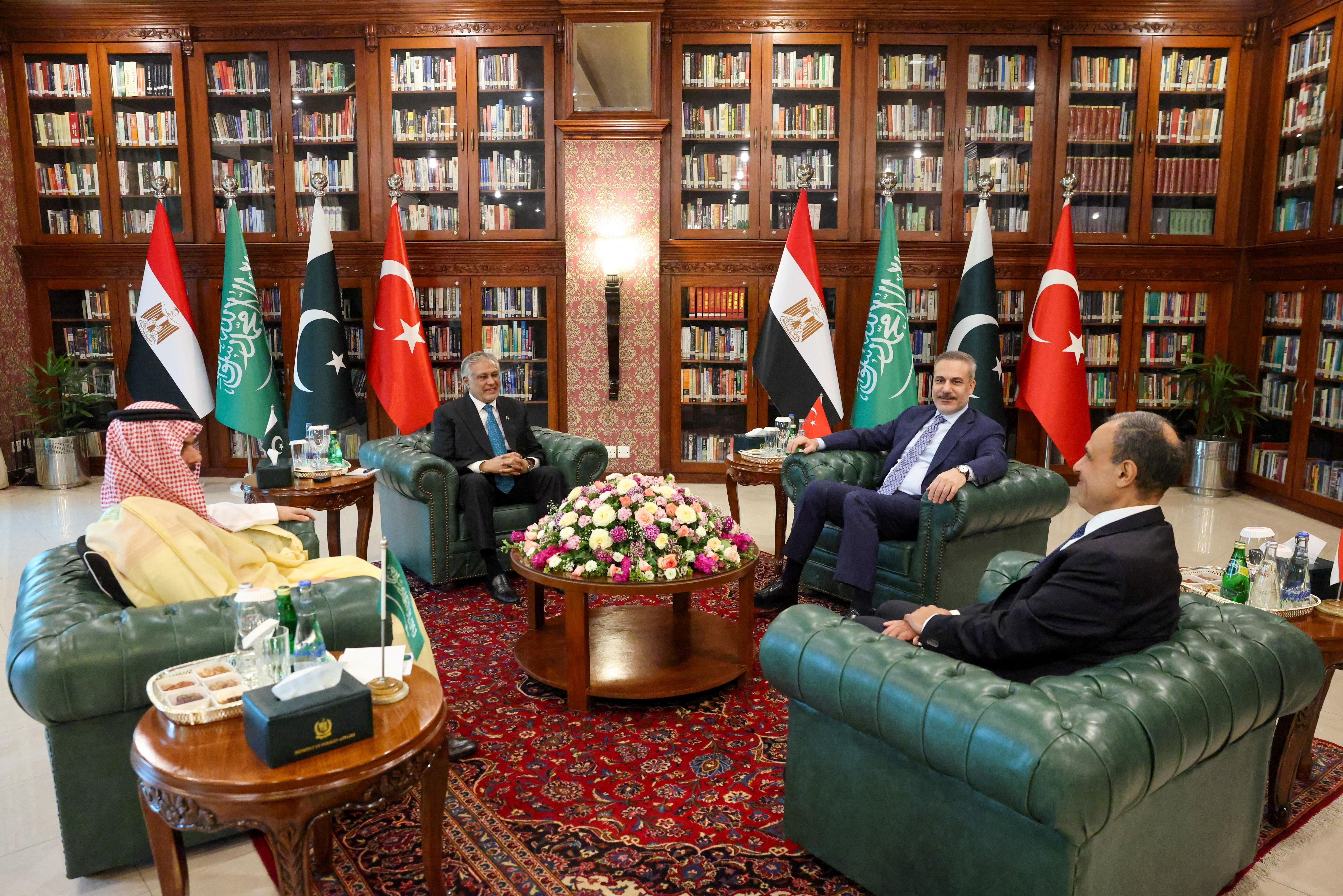
Yet, shadows loom. Pakistan’s hosting of talks involving Iran and regional powers on March 29 zeroed in on proposals for the Strait of Hormuz, a chokepoint for 20% of the world’s oil, directly tied to the broader Middle East strike dynamics. Amid escalating West Asia tensions—echoed in recent events like India’s crisis preparations on March 27 and SE Asia’s nuclear contingency plans on March 26—these discussions seek cooperative security arrangements to prevent disruptions. Human stakes are high: fishermen and traders dependent on safe passage fear blackouts in energy supplies that could spike food prices from Mumbai to Manila.
Adding friction, Thailand’s navy reported shadowing Cambodian boats in disputed waters on March 29, a low-intensity escalation reminiscent of border skirmishes but amplified by broader regional anxieties. This incident, LOW impact per event trackers, underscores how maritime frictions persist even as economic overtures advance.
These threads weave a tapestry of economic diplomacy. Confirmed: Air China flights resume April 1; WTO rules open for accession; Pakistan talks concluded with a joint statement on Hormuz de-escalation; Thai naval monitoring ongoing without incidents. Unconfirmed: Rumors of Chinese investment pledges tied to the Pyongyang route or U.S. reservations on WTO digital rules.
This pivot diverges from headlines dominated by human rights critiques or alliance jockeying, uniquely spotlighting aviation and digital trade as de-escalation tools. Flights reconnect not just cities but people—North Korean defectors’ relatives weeping at Incheon Airport, businesspeople toasting deals in hotel lobbies. Digital rules empower the digital underclass, from gig workers in Hanoi to fintech innovators in Bengaluru, fostering interdependence that military pacts often overlook. In the shadow of the Middle East strike, these moves exemplify Asia's push for economic resilience.
The Players
At the heart are pragmatic actors driven by survival and opportunity. China, via Air China, motivates through economic pragmatism: Pyongyang’s proximity offers a buffer against U.S. alliances, and flights signal to Russia—fresh off their March 18, 2026, North Korea military deal—a trilateral axis amid Central Asia’s mineral rush on March 16. Beijing’s position: Connectivity over confrontation, humanizing its “community of shared future.”
Singapore, as WTO convener, positions itself as Asia’s trade referee, motivated by its digital economy (17% of GDP). With 66 members including Japan, Australia, and surprisingly, some ASEAN peers, it counters U.S.-China tech decoupling post-Trump’s March 18 ally alienations and Japan-U.S. rare earths talks that same day.
Pakistan, hosting Iran talks, balances as a mediator: Tehran seeks Hormuz guarantees amid its West Asia entanglements; Islamabad eyes energy stability and Chinese Belt-and-Road gains. Regional powers like Saudi Arabia and UAE attend, motivated by oil flow security. See related coverage on Europe's diplomatic surge.
Thailand’s navy represents security hawks, shadowing Cambodian boats to assert maritime claims, driven by fishery resource defense amid Myanmar’s March 27 leadership shift and Vietnam-Russia energy diplomacy on March 24.
Smaller voices—Cambodian fishermen risking livelihoods, North Korean traders, WTO-aspirant SMEs—humanize the board, their motivations rooted in daily survival.
The Stakes Amid Middle East Strike
Political: Economic bridges could dilute military blocs. Flights thaw DPRK isolation, potentially averting escalations like the 2026 Russia deal’s fallout. WTO rules foster multilateralism, reducing bilateral frictions seen in Trump-era rifts.
Economic: Digital trade could add $1 trillion to Asia’s GDP by 2030 (WTO estimates), stabilizing supply chains. Hormuz talks safeguard 21 million barrels/day oil flows; disruptions could inflate Asian import bills by 20-30%.
Humanitarian: Aviation reunites families—over 200,000 North Koreans have Chinese ties. Digital access lifts 100 million from poverty via e-commerce. Naval shadows risk lives at sea, where Cambodian crews fish for sustenance amid poverty rates near 18%.
For powers like the U.S. and China, stakes involve dominance: Washington risks exclusion from digital rules; Beijing, overreach via aviation.
Broader: Amid EAEU’s March 27 economic bloc formation and Kremlin warnings to Kyrgyzstan, failure invites resource wars in Central Asia minerals. The Global Risk Index flags elevated risks from Middle East strike spillovers into Asia.
Market Impact Data
Markets are reacting with cautious risk-off amid intertwined Asia-ME tensions, aviation shocks, and U.S. protests. Equities and crypto dip on liquidation fears, though energy rotation offers buffers.
Catalyst AI Market Prediction
Powered by The World Now Catalyst Engine:
- SPX: Predicted ↓ (high confidence) — Oil surge from Mideast threats raises input costs, fueling risk-off equity rotation. Historical precedent: April 2024 Iran strikes SPX -2% in 48h. Key risk: Earnings beats overshadow macro.
- BTC: Predicted ↓ (medium confidence) — Risk-off liquidation cascades hit crypto amid ME escalation and BTC ETF outflows. Historical precedent: Feb 2022 Ukraine invasion dropped BTC 10% in 48h. Key risk: stablecoin inflows trigger dip-buying rebound. Calibration: Narrowed given 13.4x historical overestimation.
- EUR: Predicted ↓ (medium confidence) — Risk-off flows strengthen USD safe haven, pressuring EURUSD amid ME tensions and European energy shocks. Historical precedent: 2019 Houthi attacks EURUSD -1.5% in 48h. Key risk: Eurozone policy response caps USD gains.
- ETH: Predicted ↓ (medium confidence) — BTC-led risk-off cascades into alts amid outflows and ME tensions. Historical precedent: Feb 2022 Ukraine drop mirrored BTC's 10% in 48h. Key risk: ETH-specific staking inflows counter selloff.
- SOL: Predicted ↓ (medium confidence) — High-beta altcoin amplifies BTC risk-off from outflows/ME shocks. Historical precedent: 2022 Ukraine SOL -15% in 48h. Key risk: DeFi volume spike reverses. Calibration: Narrowed per 39x overestimation.
- TSM: Predicted ↓ (medium confidence) — Risk-off hits semis via broader tech selloff on oil shock. Historical precedent: April 2024 tensions TSM -4% in 48h. Key risk: AI demand insulates. (Low confidence variant notes indirect trade fears from ME.)
Predictions powered by The World Now Catalyst Engine. Track real-time AI predictions for 28+ assets at Catalyst AI — Market Predictions.
These forecasts tie aviation resumptions (boosting regional travel stocks +1-2%) against ME drags, with SPX eyeing defensive energy plays.
Looking Ahead
This economic pivot could herald a resilient Asia by 2027. Scenarios: Optimistic—expanded aviation (e.g., more China-DPRK routes) and WTO accessions (target 90 members by year-end) deepen interdependence, mirroring India’s March 20, 2026, diesel supply to Bangladesh that quelled instability. Hormuz pacts avert oil spikes, naval frictions de-escalate via ASEAN talks (watch April 5 summit).
Pessimistic: If China exploits flights for military logistics or U.S. blocks digital rules, backlash sparks rivalries—Central Asia minerals become flashpoints, Hormuz talks collapse amid Iran disruptions.
Timeline: April 1—first Air China flight; Q2—WTO rules ratification; May—Hormuz follow-ups. Key dates: April 15 ASEAN defense ministers meet; June WTO ministerial.
Original insight: These initiatives counterbalance naval posturing by creating “soft power chokepoints”—digital flows and skies harder to militarize than seas. For families like a Pyongyang mother awaiting her Beijing-studying son, or a Cambodian fisherman eyeing stable markets, success means lives untethered from conflict’s edge. Yet, external pressures (U.S. elections, China’s Taiwan rhetoric) loom; economic resilience demands multilateral buy-in.
By framing 2026’s military-resource frenzies (Russia-NK deal, rare earths) as catalysts for today’s strategies, Asia evolves: from zero-sum rivalries to interdependent webs, potentially averting Hormuz escalations and fostering a human-centered order.
This is a developing story and will be updated as more information becomes available.
Catalyst AI Market Prediction
Our AI prediction engine analyzed this event's potential market impact:
- EUR: Predicted - (medium confidence) — Causal mechanism: Risk-off flows strengthen USD safe haven, pressuring EURUSD amid ME tensions and European exposure to energy shocks. Historical precedent: Similar to 2019 Houthi attacks when EURUSD fell 1.5% in 48h. Key risk: Eurozone policy response caps USD gains.
- ETH: Predicted - (medium confidence) — Causal mechanism: BTC-led risk-off cascades into alts amid outflows and ME tensions. Historical precedent: Feb 2022 Ukraine drop mirrored BTC's 10% in 48h. Key risk: ETH-specific staking inflows counter selloff.
- SOL: Predicted - (medium confidence) — Causal mechanism: High-beta altcoin amplifies BTC risk-off from outflows/ME shocks. Historical precedent: 2022 Ukraine saw SOL drop 15% in 48h. Key risk: DeFi volume spike reverses. Calibration: Narrowed per 39x overestimation.
- BTC: Predicted - (medium confidence) — Causal mechanism: Risk-off liquidation cascades hit crypto amid ME escalation and BTC ETF outflows. Historical precedent: Feb 2022 Ukraine invasion dropped BTC 10% in 48h. Key risk: stablecoin inflows trigger dip-buying rebound. Calibration adjustment: Narrowed range given 13.4x historical overestimation.
- SPX: Predicted - (medium confidence) — Causal mechanism: Broad risk-off selling from ME wars, US protests, aviation shocks triggers de-risking. Historical precedent: 2020 George Floyd protests dropped SPX 5% over two weeks. Key risk: defensive rotation into energy offsets losses.
- TSM: Predicted - (low confidence) — Causal mechanism: Indirect risk-off hits semis amid global trade fears from ME. Historical precedent: 2022 Ukraine semis fell 3% initially. Key risk: AI demand buffers.
Predictions powered by The World Now Catalyst Engine. Track real-time AI predictions for 28+ assets.