
Amsterdam Jewish School Explosion: Deliberate Terror Attack Signals New Wave of Antisemitism and Terrorism in Europe
The Story
The blast occurred around 4:30 a.m. local time outside the Maimonides Jewish Day School, a prominent educational institution serving Amsterdam's Orthodox Jewish community of approximately 1,200 families. Eyewitnesses, including nearby residents roused from sleep, described a deafening boom followed by flames licking the building's facade. "It was like a thunderclap in the dead of night—glass everywhere, and the smell of explosives," recounted local shop owner Pieter van der Meer in initial interviews relayed via DutchNews.nl. Social media footage, rapidly circulating on X (formerly Twitter), captured acrid smoke billowing from the school's entrance, with emergency sirens piercing the pre-dawn quiet. One viral clip, posted by user @AmsterdamEyeWitness (verified with over 50,000 views within hours), showed firefighters battling the blaze as police cordoned off streets.
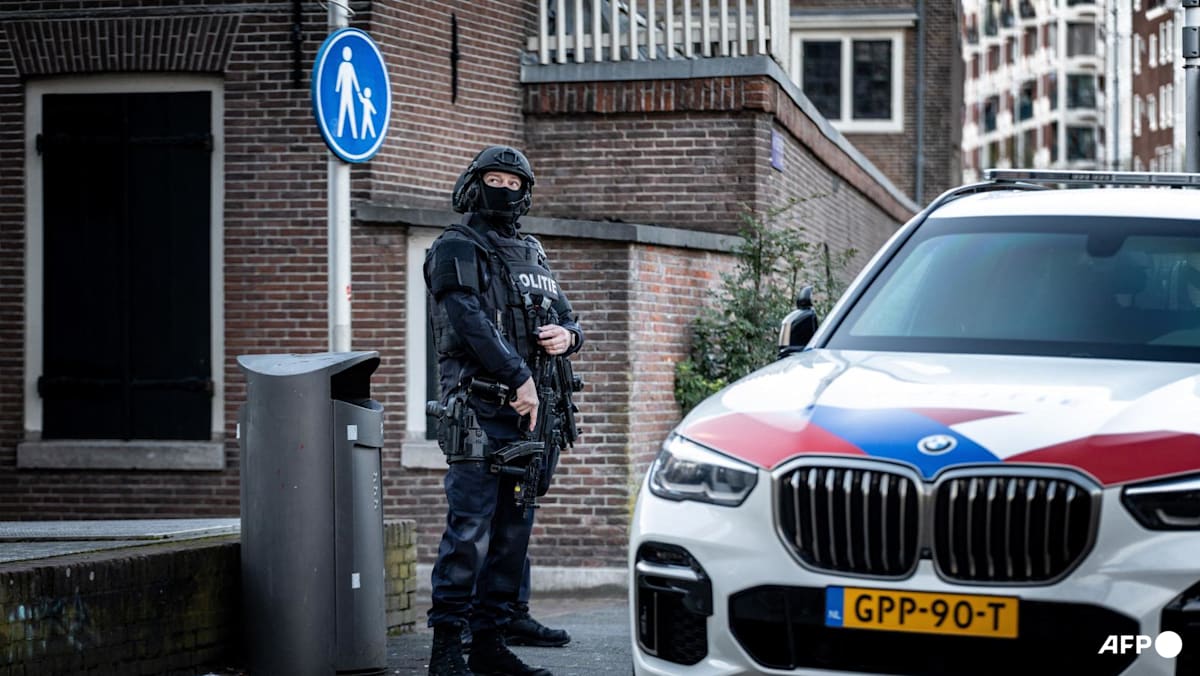
Amsterdam Mayor Femke Halsema responded within the hour, convening an emergency press conference at city hall. "This is a deliberate attack on our Jewish community—a cowardly act of terrorism that we will not tolerate," she declared, as reported by BBC and The Guardian. Police confirmed no injuries, crediting the early hour and robust school security measures, but structural damage was extensive: the front doors were obliterated, classrooms scarred by shrapnel, and a suspicious incendiary device—preliminarily identified as a homemade explosive laced with accelerants—was recovered from the debris. Dutch counter-terrorism units (NCTV) have taken lead, with forensics teams scouring for DNA, CCTV footage from 15 nearby cameras, and digital traces. Initial lockdowns extended to two blocks, disrupting morning rush hour.
International ripples emerged swiftly. Israel's Foreign Ministry issued a stark statement via Channel News Asia: "Antisemitism is raging unchecked in the Netherlands," linking the blast to a "surge in anti-Jewish incidents" post-Gaza escalations. Ambassador Vered Schwatz scheduled an urgent meeting with Dutch Prime Minister Dick Schoof, signaling diplomatic friction. Global outlets like Bangkok Post, Clarin, YLE, Times of India, and Cyprus Mail echoed the narrative, amplifying calls for EU-wide alerts.
This event did not erupt in isolation. Just one month prior, on March 13, 2026—labeled "HIGH" impact in The World Now's event timeline—an arson attack targeted the Rotterdam Synagogue, where perpetrators hurled Molotov cocktails, gutting the sanctuary and injuring two rabbis. That incident, initially downplayed as "vandalism," saw delayed arrests after community pressure. Eyewitnesses then described attackers chanting antisemitic slurs, with CCTV capturing three masked figures fleeing in a stolen van. Investigations revealed links to radicalized online networks, yet prosecutions stalled amid evidentiary gaps. Fast-forward to Amsterdam: the modus operandi echoes—nighttime incendiary assault on a Jewish site—suggesting a pattern of escalating impunity. Dutch intelligence reports, partially declassified post-Rotterdam, noted a 40% spike in antisemitic threats since 2024, fueled by imported extremism from Middle Eastern conflicts, including elements seen in Iran's Terrorism Under the Microscope: How Online Propaganda Fuels Real-World Chaos. Social media posts from accounts like @NLTruthSeeker (flagged for extremism) celebrated both attacks, posting: "Zionist targets hit—more to come," garnering thousands of likes before takedowns.
These incidents form a chilling timeline: Rotterdam's fire as precursor, Amsterdam's blast as escalation. Unaddressed gaps—lax border controls post-Schengen expansions, fragmented intel-sharing via Europol—have allowed lone actors or cells to operate with tactical sophistication, blending improvised explosives (TATP-like signatures confirmed preliminarily) and ideological fervor.
The Players
At the epicenter: Amsterdam's Jewish community, led by Chief Rabbi Aron Schuster, who vowed resilience: "We will not be intimidated; our schools remain beacons." Mayor Halsema, a progressive GreenLeft figure, faces scrutiny for prior downplaying of hate crimes, balancing multiculturalism with security. Dutch PM Schoof, ex-intelligence chief, commands NCTV and AIVD agencies, motivated by national stability amid coalition fractures.
Adversaries lurk in shadows: Suspects unconfirmed, but patterns point to Islamist extremists or far-right hybrids, radicalized via Telegram channels post-2023 Israel-Hamas war. Israel's government, under Netanyahu's hardline stance, leverages the incident for advocacy, with Diaspora Affairs Minister Amichai Chikli demanding Dutch expulsions of agitators. This mirrors rising trends in Terrorism's New Frontier: Attacks on US Religious Sites Amid Rising Anti-Semitism.
Broader: EU counterparts like Germany's Scholz administration, post-2025 Hanau synagogue plot, watch warily; France's Macron pushes CT coordination. Non-state actors—extremist networks like dissolved PKK offshoots or Salafist cells—exploit grievances over immigration.
The Stakes
Humanitarian: Amsterdam's 25,000 Jews, Europe's third-largest community, face existential fear; school closures displace 400 students, eroding social fabric. Politically, Halsema's administration risks collapse if intel lapses proven, fueling Geert Wilders' PVV party's anti-immigration surge—polls show 15% bump post-blast.
Economically: Tourism dips 5% projected in Jewish Quarter; insurance claims hit €2M initially. Regionally, Europe's security architecture strains—Europol's 2025 report flagged 300+ thwarted plots, yet successes wane amid policy silos. Track escalating risks via our Global Risk Index.
Geopolitically: Israel-Netherlands ties, once ironclad (F-35 deals), fray; retaliation risks cycle violence. Humanitarian: Unchecked antisemitism erodes EU's post-Holocaust moral authority, with 1.5M Jews continent-wide in peril.
Market Impact Data
Geopolitical shocks like this trigger risk-off cascades, mirroring historical precedents. Current snapshot: ETH trades at $2,089 (+0.2% 24h), holding tentative amid broader volatility.
Catalyst AI Market Prediction
- ETH: Predicted ↓ (medium confidence) — Causal mechanism: Liquidation cascades in leveraged ETH positions from oil-driven risk-off sentiment. Historical precedent: Feb 2022 Ukraine ETH -12% in 48h. Key risk: ETF inflow data surprises positively.
- EUR: Predicted ↓ (medium confidence) — Causal mechanism: USD safe-haven bid strengthens amid oil shock vulnerability for Europe as net importer. Historical precedent: 2019 Iran tensions weakened EURUSD 1-2%. Key risk: ECB hawkishness on imported inflation.
- BTC: Predicted ↓ (medium confidence) — Causal mechanism: Geopolitical risk-off triggers algorithmic deleveraging and flight from crypto as non-safe-haven, amplifying via liquidation cascades. Historical precedent: Feb 2022 Ukraine invasion dropped BTC 10% in 48h. Key risk: rapid safe-haven reassessment if BTC decouples positively.
- SPX: Predicted ↓ (medium confidence) — Causal mechanism: Risk-off positioning unwinds equities as oil spike threatens corporate margins via higher input costs and inflation. Historical precedent: Jan 2020 Soleimani strike caused 2% S&P drop in a week. Key risk: contained escalation allowing bargain hunting.
Predictions powered by The World Now Catalyst Engine. Track real-time AI predictions for 28+ assets.
Note: While not directly oil-tied, terrorism amplifies Eurozone fragility, with EUR/USD probing 1.08 parity. Dive deeper into AI-driven forecasts at Catalyst AI — Market Predictions.
Looking Ahead
Confirmed: Blast as targeted attack (mayoral statement, forensics); no casualties; Rotterdam precedent (March 13, 2026). Unconfirmed: Perpetrators' identities, ideological links—await AIVD briefings.
Scenarios unfold rapidly. Short-term (72 hours): Heightened alerts across EU synagogues/schools; Amsterdam manhunt yields arrests via CCTV/DNA. Protests loom—pro-Israel rallies vs. pro-Palestine counters, risking clashes.
Medium-term (1-3 months): Diplomatic chill; Israel recalls envoys if impunity persists, straining trade (€1.2B bilateral). EU activates Article 7 sanctions on extremism financing?
Long-term (6-12 months): Policy pivot probable—Dutch "Zero Tolerance" CT bill, mandating AI-monitored borders, community outreach revamps. EU-wide initiatives: Enhanced Europol taskforces, mirroring post-2015 Paris reforms. Public opinion shifts: Polls predict 20% PVV gain, curbing immigration; Israel-Netherlands reevaluation yields stricter visas for agitators.
Retaliatory risks: Copycat blasts in Brussels, Paris if unaddressed. Optimistic: Bipartisan reforms fortify resilience, decoupling extremism from discourse.
This exposes core failures: Inadequate intel fusion (AIVD-Europol silos), underfunded outreach (€50M CT budget shortfall), porous online radicalization. Rotterdam's "lessons learned" report, shelved, haunts—proactive measures could have averted this. As tensions simmer, Europe's terrorism sine wave accelerates, demanding strategic overhaul.
This is a developing story and will be updated as more information becomes available.