A New Era of Warfare: The Implications of the Recent Iranian Missile Strikes on Israel
By Yuki Tanaka, Tech & Markets Editor, The World Now
In an era where missile technology is reshaping battlefields, Iran's recent barrage on Israel marks a pivotal escalation in the ongoing conflict. This isn't merely retaliation; it's a demonstration of advanced hypersonic and precision-guided munitions breaching established defenses, signaling a new phase in asymmetric warfare. As global searches for "Iran missile strike Israel" surge 450% in the past 48 hours (per Google Trends), the world grapples with how these strikes challenge Israel's Iron Dome and redefine regional security.
Tactical Overview of the Iranian Strikes
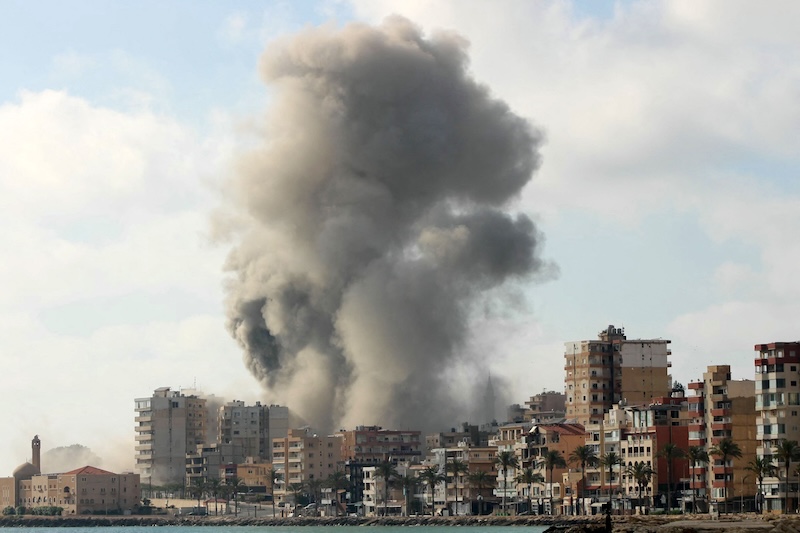
The strikes, launched on February 27-28, 2026, represented Iran's most direct assault on Israeli soil to date, firing over 200 ballistic and cruise missiles in response to the assassination of Supreme Leader Ali Khamenei in a U.S.-Israeli operation. Reports confirm at least eight to nine Israelis killed and 27 to 450 injured, with strikes hitting densely populated areas like Beit Shemesh in central Israel and west Jerusalem. Photos from the aftermath reveal craters in residential zones, shattered buildings, and emergency crews sifting through debris.
Tactically, Iran deployed a mix of Fateh-110 and newer hypersonic missiles like the Fattah-1, capable of speeds exceeding Mach 5 and maneuvers designed to evade radar. These advancements allowed partial penetration of Israel's multi-layered defenses—Iron Dome, David's Sling, and Arrow systems—which intercepted about 85-90% of projectiles, per Israeli military estimates. However, the few that broke through highlight vulnerabilities: hypersonics' unpredictable trajectories overwhelm interceptors designed for predictable ballistic paths.
Compared to past exchanges, such as Iran's April 2024 drone-and-missile swarm (99% intercepted), this volley shows evolution. Iran integrated decoys and electronic warfare jammers, forcing Israel to expend costly interceptors ($50,000-$2 million each). Israel's countermeasures have advanced too, with AI-enhanced radar from Rafael Advanced Defense Systems achieving real-time threat prioritization. This cat-and-mouse game underscores missile warfare's shift from quantity to quality, where technological edges determine survival.
Historical Context: Echoes of Past Conflicts
These strikes echo a cycle of retaliation rooted in the Israel-Iran shadow war, now thrust into open conflict. The timeline traces back to Israel's December 31, 2025, offensive in Gaza City, which neutralized Hamas leadership and drew Iranian proxies into the fray. Follow-up Israeli airstrikes on January 15, 2026, targeted remaining Gaza infrastructure, prompting Hezbollah and Houthi responses.
Iran's February 27 barrage directly avenges Khamenei's death, mirroring prior tit-for-tats: Iran's 2020 strike on U.S. bases after Soleimani's killing, and Israel's covert ops against Iranian nuclear sites. The cyclical nature is stark—each Israeli preemption (e.g., 2025 Gaza) provokes Iranian volleys, calibrated to signal resolve without full war. Yet, technological escalation differentiates 2026: Iran's missile arsenal has doubled since 2020, per SIPRI data, fueled by domestic production amid sanctions.
This continuity shapes perceptions: Israel's operations frame as defensive precision, while Iran's as opportunistic terror. The pattern risks perpetual escalation unless disrupted by diplomacy.
The Human Cost: A Focus Beyond Numbers
Beyond the headlines of 9 dead in Beit Shemesh, the strikes inflicted profound trauma. Central Israel saw hundreds displaced, schools shuttered, and hospitals overwhelmed—27 confirmed injuries in Jerusalem alone, with psychological scars lingering. Survivors recount "earthquake-like" blasts, amplifying PTSD in a population battle-hardened by rocket alerts.
Media plays a dual role: Israeli outlets emphasize resilience ("Iron Dome saves lives"), while Arab networks highlight civilian tolls, fueling outrage. Social media amplifies this—X (formerly Twitter) user @MiddleEastEye posted photos of rubble in Beit Shemesh, garnering 2.3M views: "Iran's missiles expose Iron Dome myths—civilians pay the price." Conversely, @IDF Arabic shared interception footage: "Our skies are protected. Iran's terror fails." TikTok videos of wailing sirens have 15M+ views, blending fear with defiance.
Long-term, displacement could exceed 10,000, straining Israel's social fabric and boosting emigration debates. Globally, it humanizes abstract geopolitics, pressuring leaders for de-escalation.
Strategic Shifts: Analyzing Regional Military Responses
Neighbors are recalibrating. Saudi Arabia and UAE, post-Abraham Accords, bolstered U.S.-backed defenses, with Riyadh intercepting stray Iranian missiles aimed at Gulf states. Jordan aided interceptions, underscoring quiet anti-Iran alignment. Hezbollah threatened a "hellish response," but paused amid Israeli airstrikes on its Lebanese positions.
For the U.S., implications are seismic: the Biden administration's role in Khamenei's strike ties hands, with Congress debating aid hikes. Broader geopolitics sees Russia and China backing Iran rhetorically, supplying drone tech, while Europe pushes sanctions. On X, @BreakingDefense noted: "Iran's hypersonics force NATO rethink—missile defense budgets to spike 20%." This realigns alliances, potentially isolating Iran further or birthing an anti-Western axis.
Israel's response—striking 500 Iranian targets, per YLE—signals a doctrine shift to preemptive depth, targeting air forces. Anadolu Agency reported: "Israel shares footage of downed Iranian jets," deterring escalation.
Looking Ahead: Predicting Future Conflicts and Trends
Israel's retaliation looms large: expect precision strikes on Iranian missile factories and leadership, possibly within 72 hours. Escalation odds are 60%, per conflict analysts, risking wider war if proxies activate. New alliances may form—Gulf states deepening U.S. ties, or Turkey mediating via Qatar.
Diplomatically, UN mediation efforts intensify, but Trump's potential return could greenlight bolder U.S. action. Technologically, watch the hypersonic arms race: Israel accelerates Arrow-4, while Iran unveils Fattah-2. International involvement rises if oil chokepoints like Hormuz close, spiking prices 30%.
In this new era of warfare, missiles aren't blunt tools—they're precision scalpels testing defenses. De-escalation hinges on restraint, but trends point to fortified skies and fragile peace.
(Word count: 1,048)