
€30 Million Bank Heist Shakes Germany: Gelsenkirchen Thieves Target Safe Deposit Boxes
In a shocking turn of events, thieves executed a brazen bank heist in Gelsenkirchen, Germany, on December 30, 2025, stealing an estimated €30 million from approximately 3,200 safe deposit boxes at a local Sparkasse branch. This incident is being hailed as one of the most significant financial crimes in Germany in recent decades, evoking outrage and concern among customers and local authorities alike.
The heist occurred in the early hours of the morning, with robbers reportedly bypassing security measures at the bank to gain access to the safe deposit boxes. According to initial reports, the thieves meticulously planned the operation, exploiting vulnerabilities in security protocols to loot cash and valuables stored by customers. The scale of the theft has left many in the community reeling, as the stolen amount represents a considerable loss for individuals who believed their possessions were secure.
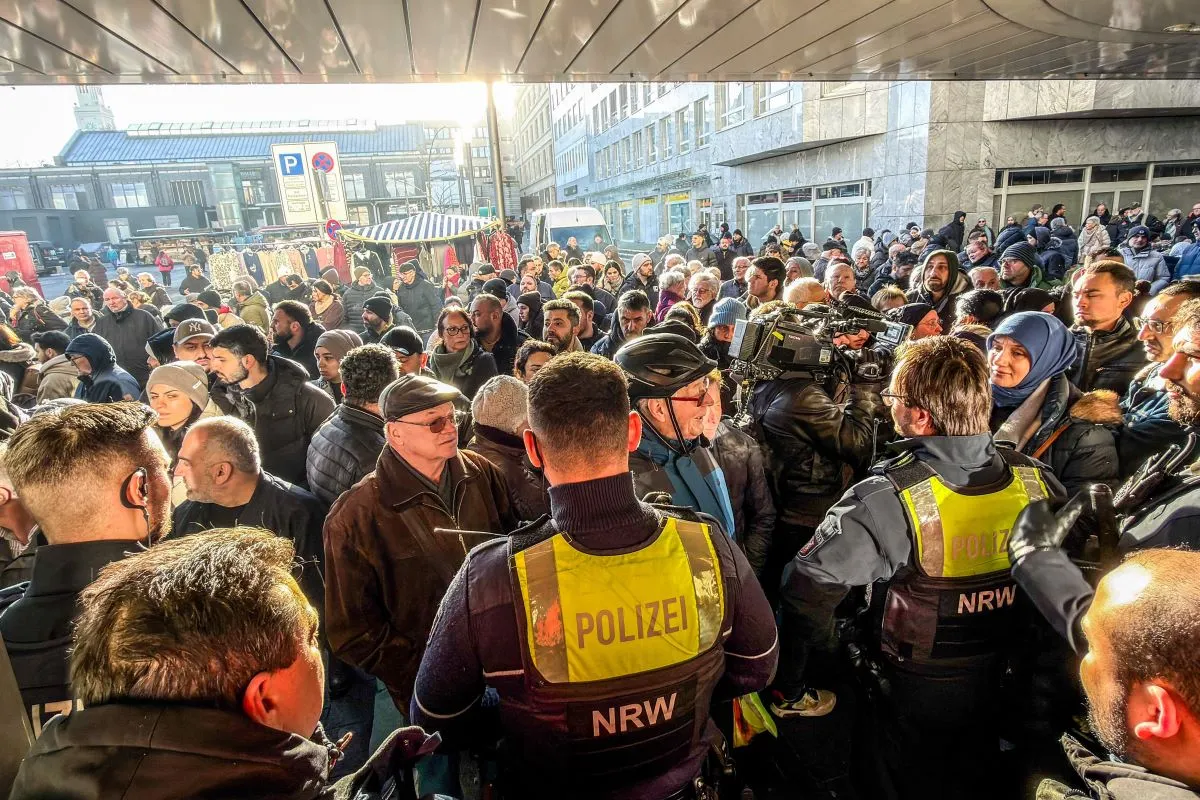
Customers expressed their anger and frustration following the incident, with many taking to social media and local forums to voice their concerns. "I trusted the bank to keep my valuables safe. This is beyond unacceptable," one customer stated. The incident has raised significant questions about the security measures in place at financial institutions in Germany, leading to calls for a thorough investigation and enhanced safety protocols to prevent similar occurrences in the future.
Local law enforcement has launched a comprehensive investigation into the heist, enlisting the assistance of federal authorities to track down the perpetrators. Authorities have urged anyone with information related to the crime to come forward, stating that they are committed to bringing those responsible to justice. The investigation is expected to be complex, given the scale of the operation and the potential for organized crime involvement.
The incident comes at a time when Germany has seen a rise in various forms of financial crime, including cyberattacks and ATM thefts. However, the Gelsenkirchen heist stands out due to its sheer magnitude and the brazen nature of the crime. It has reignited discussions about the safety of banking institutions and the measures in place to protect customer assets.
Background
Germany's banking sector has long been regarded as one of the safest in Europe, with stringent regulations and security protocols designed to safeguard customer assets. However, the Gelsenkirchen incident has cast a shadow over this reputation, prompting calls for a review of existing security measures across the banking industry.
In recent years, financial institutions in Germany have increasingly invested in advanced security technologies, including biometric systems and enhanced surveillance measures. Despite these efforts, the Gelsenkirchen heist highlights the evolving tactics employed by criminals and the need for continuous adaptation to emerging threats.
As the investigation unfolds, banks across Germany are likely to re-evaluate their security protocols and customer assurance measures. The incident has not only affected the victims but also poses a broader challenge to the trust placed in the banking system by the public.
Conclusion
The €30 million bank heist in Gelsenkirchen marks a significant event in Germany's recent crime history, raising critical questions about the security of financial institutions and the safety of customer assets. As authorities work to apprehend those responsible, the incident serves as a stark reminder of the evolving nature of crime and the importance of robust security measures in safeguarding public trust.






