
€30 Million Bank Heist in Gelsenkirchen Sparks Outrage Among Customers
In a shocking incident that has sent ripples of anger through Germany, thieves executed a sophisticated heist at a Sparkasse branch in Gelsenkirchen, looting €30 million from approximately 3,200 safe deposit boxes. The robbery, which occurred on December 30, 2025, is being described as one of the largest bank heists in Germany's recent history, raising serious concerns about security measures in financial institutions.
The audacious theft has ignited a wave of outrage among affected customers, many of whom are now questioning the safety of their valuables stored in bank vaults. Eyewitness accounts and preliminary investigations suggest that the thieves may have had insider knowledge, allowing them to bypass security protocols effectively.
Details of the Heist
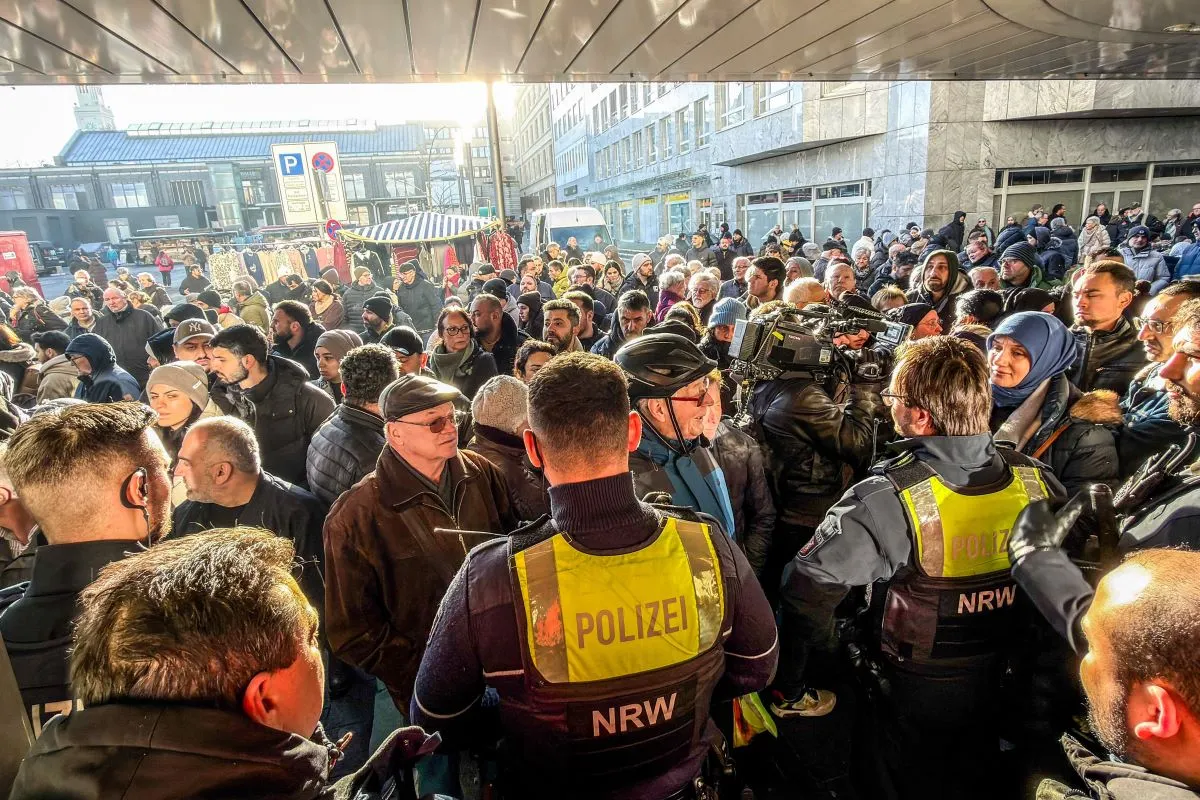
The heist took place on a busy Tuesday afternoon, which has raised eyebrows regarding the bank's security during peak hours. Customers reported that when they arrived at the bank, they were met with chaos and confusion. One customer, who preferred to remain anonymous, expressed her disbelief: "I trusted the bank with my valuables, and now they are gone. How could this happen?"
Authorities have launched a full investigation into the incident, with local police already analyzing surveillance footage and interviewing staff and customers who were present at the time. The investigation is expected to be extensive, given the scale of the theft and the potential implications for bank security across the country.
Customer Reactions
Following the news of the theft, many customers have taken to social media and news outlets to voice their dissatisfaction. Reports indicate that feelings of betrayal and anger are prevalent among those who lost their possessions. Some have called for stricter regulations on bank security and more transparency regarding the safety of their assets.
The president of the Sparkasse branch, in a press conference, acknowledged the severity of the situation and assured clients that the bank is cooperating fully with law enforcement. "We are deeply saddened by this incident and understand the distress it has caused our customers. We are committed to making this right and enhancing our security measures to prevent such events in the future," he stated.
Background on Bank Heists in Germany
Germany has witnessed its share of bank heists over the years, but the scale of this incident is unprecedented in recent decades. Previous high-profile cases have often involved meticulous planning and execution, similar to what seems to have occurred in Gelsenkirchen. The last significant bank heist occurred in 2010, when thieves stole €2 million from a bank in Berlin, but this latest incident dwarfs that in both scale and impact.
As the investigation unfolds, the incident raises broader questions about financial security in an increasingly digitized banking environment. With more customers relying on banks for safekeeping their assets, the responsibility for safeguarding these valuables weighs heavily on financial institutions.
Conclusion
The €30 million heist in Gelsenkirchen is not just a wake-up call for banks but also for customers who must now reassess their trust in financial systems. As authorities work to track down the perpetrators, the fallout from this incident is likely to have lasting implications for banking security measures in Germany. Customers, feeling vulnerable and angry, will be looking for assurances and changes that can restore their faith in the banking system.