
Zelensky Rejects Russian Allegations of Drone Strike on Putin's Residence as Tensions Escalate
Moscow/Kyiv — Ukrainian President Volodymyr Zelensky has categorically denied Russian claims of a Ukrainian drone attack targeting President Vladimir Putin's residence, while hinting at ongoing preparations for potential new strikes against Russian targets. The denial, issued amid heightened rhetoric from both sides, coincides with U.S. President-elect Donald Trump's public skepticism toward Moscow's narrative, intensifying international scrutiny on the latest flashpoint in the Russia-Ukraine war.
The alleged incident surfaced on December 31, 2025, when Russian officials reported intercepting Ukrainian drones near Putin's Novo-Ogaryovo residence outside Moscow. Ukrainian authorities dismissed the claims as propaganda, with Zelensky stating there was no such operation but warning of "preparations for new strikes" in response to continued Russian aggression. This exchange underscores the persistent use of drones as a key weapon in the conflict, now entering its fourth year.
Details of the Alleged Strike
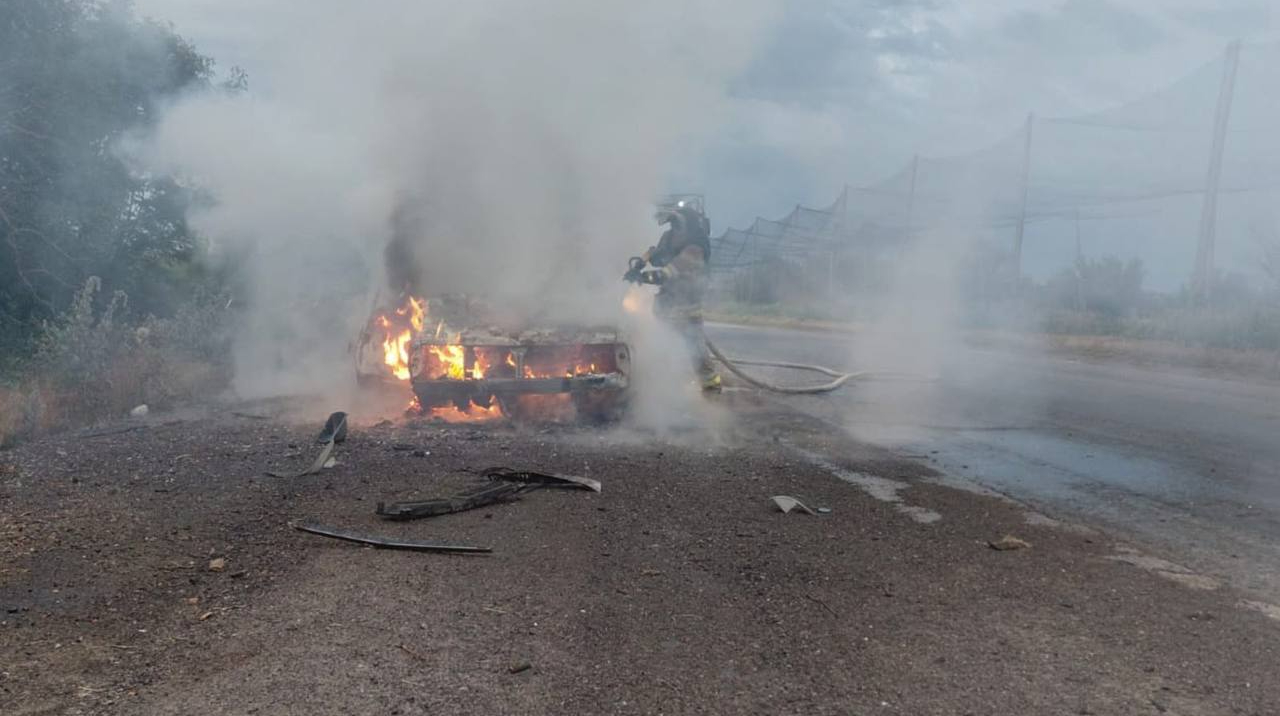
Russian defense sources claimed that air defenses successfully neutralized several Ukrainian unmanned aerial vehicles (UAVs) approaching the presidential compound southwest of Moscow. No damage or casualties were reported, according to state media. The incident was framed by Kremlin spokespeople as evidence of Kyiv's "terrorist tactics" aimed at assassinating Putin, prompting vows of retaliation.
Zelensky, speaking in Kyiv on the same day, rejected the accusations outright. "There was no drone attack on Putin's residence," he said, according to reports from the event timestamped at 09:12 GMT. He pivoted to offensive posture, suggesting Ukraine's military was gearing up for escalated operations. This marked a high-severity event in the ongoing drone campaign, where Ukraine has increasingly targeted Russian infrastructure deep behind the front lines to disrupt logistics and command structures.
Adding to the diplomatic fray, Trump voiced doubts about the Russian account in comments covered by global media on January 5, 2026. The U.S. president-elect, known for his critical stance on both Russia and Ukraine during his campaign, questioned the veracity of Moscow's claims without endorsing either side. "I doubt the Russian story on this one," Trump was quoted as saying, reflecting his pattern of challenging official narratives from adversarial states.
Broader Context of Drone Warfare
This episode fits into a pattern of intensified drone strikes since Russia's full-scale invasion of Ukraine in February 2022. Ukraine has relied heavily on Western-supplied systems like the Bayraktar TB2 and indigenous models such as the Baba Yaga, striking oil refineries, airfields, and military depots across Russia. Notable prior incidents include the August 2024 attack on Engels airbase and multiple hits on Crimea bridges.
Russia, in turn, has escalated its own drone assaults using Iranian-designed Shahed-136 models, with over 10,000 launched since mid-2022, per Ukrainian tallies. Moscow's air defenses have intercepted most incoming threats, but vulnerabilities persist, as seen in the destruction of over 20 Russian warplanes in late 2025 strikes on airfields.
The Novo-Ogaryovo claim, if verified, would represent a rare direct threat to Putin's personal security. Putin has maintained a low public profile since the war began, with residences fortified amid assassination fears. Independent verification remains elusive, as both sides control information flows in contested airspace.
International Reactions and Implications
Trump's intervention highlights shifting U.S. dynamics ahead of his January 2026 inauguration. During his first term, Trump pursued détente with Putin while criticizing Ukrainian aid. His recent comments align with intelligence community assessments that have occasionally questioned Russian escalatory claims to justify domestic crackdowns.
European allies, including NATO members, urged restraint. EU foreign policy chief Josep Borrell called for "transparent investigations" into aerial incidents, while Poland and the Baltics bolstered border defenses amid fears of spillover.
The event's severity—rated high due to its proximity to leadership—raises stakes for winter operations. Ukraine faces manpower shortages and delayed U.S. aid packages, but domestic drone production has surged, enabling strikes up to 1,000 km into Russia.
Outlook
As ceasefire talks remain stalled, this denial-and-threat cycle signals no de-escalation. Zelensky's forward-leaning rhetoric could presage intensified Ukrainian operations, potentially targeting energy infrastructure to pressure Moscow ahead of spring offensives. Russia, meanwhile, may leverage the narrative to rally support for further mobilization.
Analysts monitor for retaliatory strikes, with global energy markets sensitive to disruptions. The incident reinforces drones' role as equalizers in asymmetric warfare, complicating peace prospects without verifiable deconfliction mechanisms.
(Word count: 612)