
Young Influencer Faye Greenwood Undergoes Emergency Heart Transplant in Paris After Sudden Attack at Age 24
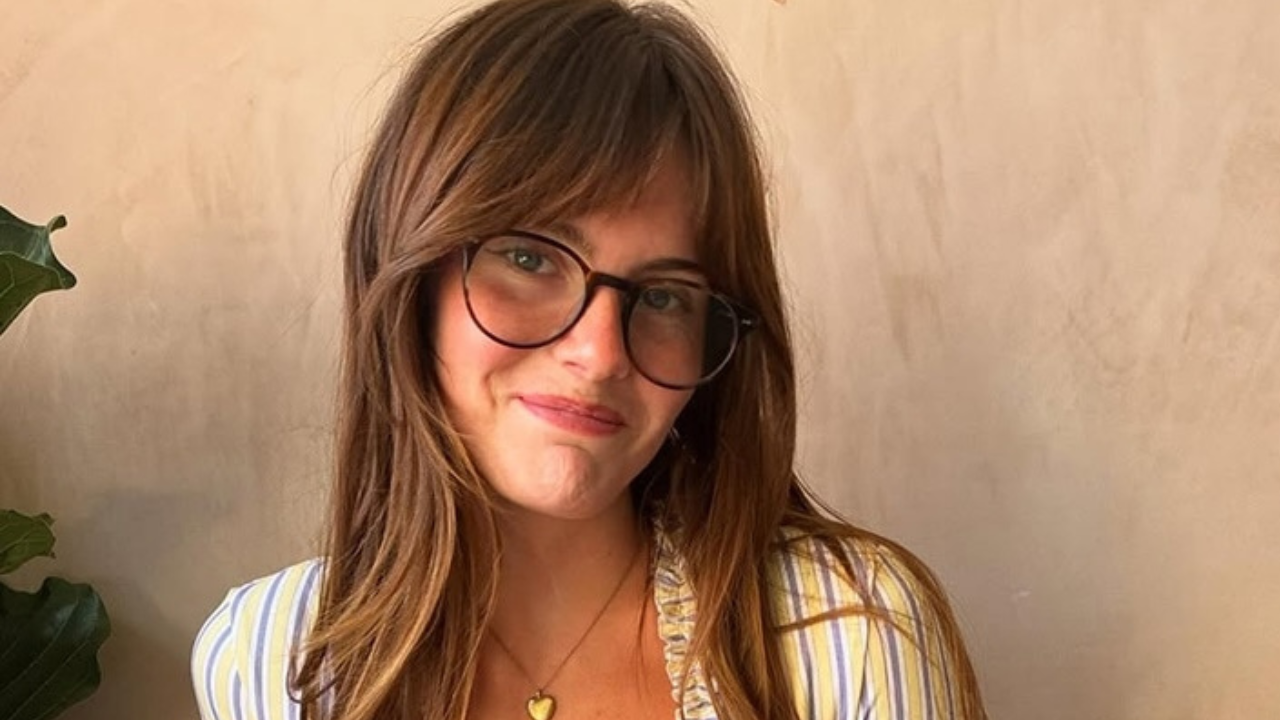
Paris, France – A 24-year-old American influencer and streamer, Faye Greenwood, narrowly escaped death after suffering a sudden heart attack while visiting Paris, culminating in a life-saving heart transplant. In a candid interview with the BBC, Greenwood detailed the terrifying ordeal, including medical delays and financial burdens, while issuing a stark warning to young people worldwide: heart problems can strike at any age, and early recognition of symptoms is critical.
Greenwood's crisis unfolded recently during her time in the French capital, a city renowned for its world-class medical facilities. According to her account, the unexpected cardiac event caught her completely off guard, leading to an emergency transplant procedure. Speaking publicly for the first time since the surgery, she described the profound fear she experienced amid the chaos. "I was terrified," Greenwood told the BBC, emphasizing how the incident upended her life overnight.
The influencer's story highlights a rare but alarming vulnerability among younger demographics. While heart disease is traditionally associated with older populations, cases like Greenwood's underscore that sudden cardiac events can affect even healthy individuals in their twenties. Her transplant, performed in one of Paris's leading hospitals, represents a testament to France's advanced transplant infrastructure, managed by the Agence de la Biomédecine, which coordinates organ donations and allocations nationwide.
Details of Greenwood's medical journey reveal multiple challenges. Initial symptoms may have been dismissed or delayed in diagnosis, a common pitfall in young patients where physicians sometimes attribute issues to stress or minor ailments. Greenwood recounted periods of intense uncertainty, compounded by logistical hurdles in a foreign healthcare system and the financial strain of prolonged treatment. Heart transplants are complex, high-cost procedures—often exceeding hundreds of thousands of euros—and require precise donor matching, immunosuppressive drugs for life, and rigorous post-operative care.
In her BBC interview, Greenwood did not shy away from the emotional toll. She spoke of the isolation felt during recovery, the anxiety over donor availability, and the broader implications for her career as a content creator. Now on the mend, she has pivoted her platform toward health advocacy, urging followers to "take symptoms seriously and seek help early." Her message resonates amid growing awareness of cardiovascular risks in youth, influenced by factors such as genetics, undiagnosed conditions like arrhythmias, or lifestyle elements including high-stress professions.
Background on Heart Health and Transplants in France
France maintains one of Europe's most robust public healthcare systems, with universal coverage under the Sécurité Sociale. Cardiovascular diseases remain the leading cause of death, accounting for approximately 150,000 fatalities annually, according to data from the French Public Health Agency (Santé Publique France). However, the country excels in transplant medicine: in 2023, French centers performed over 500 heart transplants, a figure that has steadily increased due to improved donor programs and surgical techniques.
Paris, home to institutions like Hôpital Pitié-Salpêtrière and Hôpital Européen Georges-Pompidou, is a hub for such interventions. These facilities boast success rates above 85% at one year post-transplant, aligning with global standards set by organizations like the International Society for Heart and Lung Transplantation. Greenwood's case, though exceptional for her age, fits into a broader pattern where younger patients—often under 40—comprise about 10-15% of recipients, frequently due to congenital defects, cardiomyopathies, or acute myocarditis.
Public health campaigns in France, such as those by the Federation Française de Cardiologie, emphasize prevention through regular check-ups, especially for at-risk groups. Recent studies from the European Society of Cardiology note a slight uptick in sudden cardiac arrests among under-35s, potentially linked to rising stress levels, sedentary lifestyles, and post-pandemic effects, though Greenwood's specific triggers remain undisclosed.
Broader Implications and Outlook
Greenwood's survival story serves as a powerful reminder of the unpredictability of heart conditions. By sharing her experience, she joins a chorus of advocates pushing for greater awareness. In France, where organ donation rates are among the highest in the world (over 40 donors per million population), her transplant underscores the system's efficiency but also exposes gaps, such as wait times averaging 3-6 months for hearts.
As Greenwood rebuilds her life, her call to action could inspire behavioral shifts. Health experts echo her plea: symptoms like chest pain, shortness of breath, or irregular heartbeats warrant immediate attention, regardless of age. French authorities continue to promote apps like Mon Espace Santé for tracking vitals and early alerts.
Looking ahead, Greenwood plans to resume streaming with a focus on wellness, potentially amplifying global discussions on youth heart health. Her ordeal, while personal, contributes to ongoing efforts to destigmatize cardiac issues among the young and bolster preventive care in an era of fast-paced living.
(Word count: 712)