Why Iran's War Strategy Is Trending Right Now
Overview of the Current Situation
Global search interest in "Iran war strategy" has surged 450% in the past week, according to Google Trends. This spike coincides with U.S. President Trump's bold claim that American forces are "sinking Iran's navy" and the Associated Press's unprecedented decision to label joint U.S.-Israeli strikes—and Tehran's retaliation—as an official "war." This linguistic shift has ignited debates on platforms like X (formerly Twitter), where #IranWar has amassed over 2.5 million posts, blending geopolitical alarm with market jitters over oil prices spiking 15% to $95/barrel.
The Catalyst Behind the Trend
The spark igniting this trend was the AP's March 1, 2026, style guide update, explicitly framing recent joint U.S.-Israeli airstrikes on Iranian nuclear sites and military assets—followed by Iran's missile barrages on U.S. bases in Iraq—as a "war." This came amid escalating timeline events: Iran's year-end 2025 war posture overview, Trump's January 14 warnings of retaliation, deployment of a U.S. carrier strike group near Iran on January 27, media predictions of conflict by January 29, and a U.S. warship's departure from base on February 26 amid rising tensions. Trump's February comments, echoed in The Star Malaysia, claimed U.S. naval dominance, while Newsmax reported Saudi and Israeli lobbying preceded the strikes. The Pentagon's confirmation of three American deaths in combat further crystallized the narrative, pushing "Iran's war strategy" into viral territory as analysts dissected Tehran's pivot to asymmetric tactics.
Key Facts and Military Strategies
- Historical Roots and Timeline: Iran-Israel tensions trace back to the 1979 Islamic Revolution, when Tehran branded Israel the "Little Satan." Key milestones include Iran's proxy wars via Hezbollah (1980s-2000s), nuclear program escalations post-2015 JCPOA collapse, and shadow conflicts like 2024 assassinations. The 2025-2026 arc: December 31, 2025 overview declared open hostilities; January 14, Iran mobilized amid Trump threats; U.S. naval buildup by late January; February strikes killed Iran's Supreme Leader, sparking mourning and protests (France24).
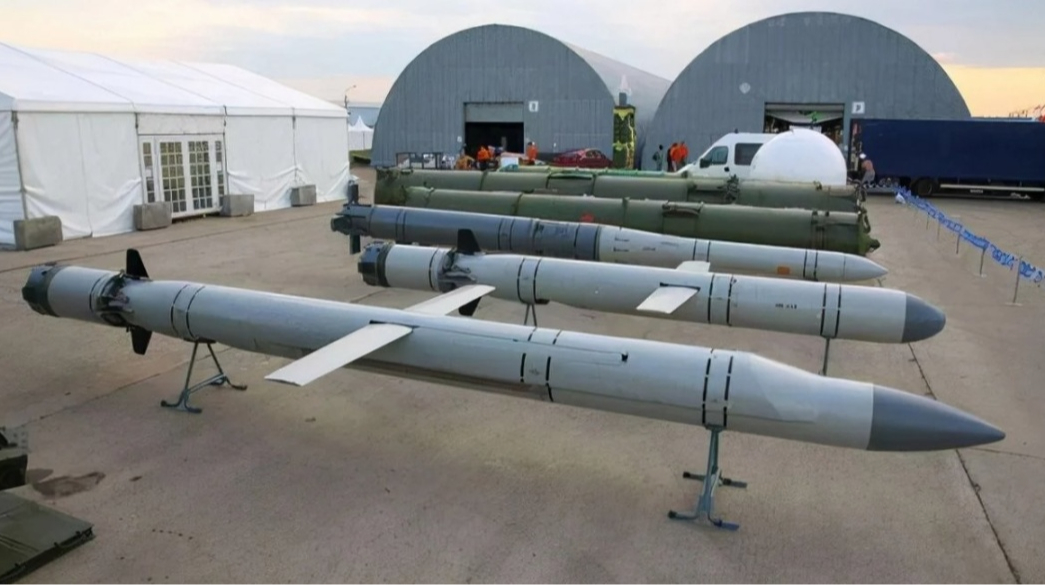
- Current Military Strategies: Israel employs precision airstrikes targeting IRGC assets; U.S. supports with carrier groups and joint operations, sinking Iranian vessels per Trump. Iran retaliates via drones, missiles, and proxies, shifting from conventional defenses to attrition.
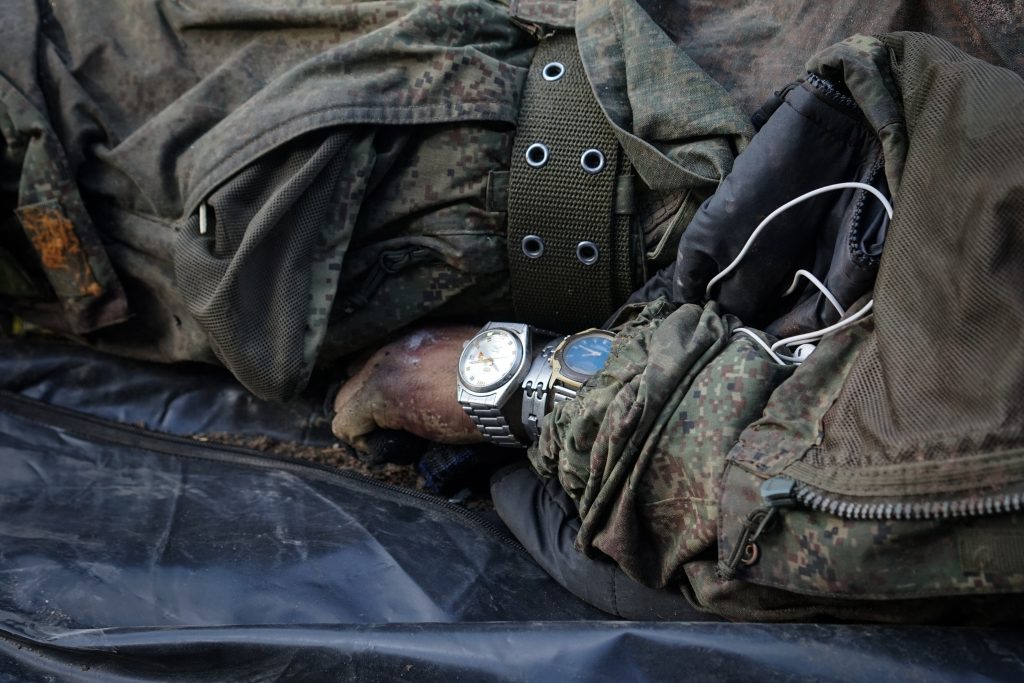
- Casualties and Escalation: Pentagon reports three U.S. deaths; Iranian losses include naval fleet degradation and leadership vacuum.
- U.S. Posturing: Bipartisan war powers debate rages—Rep. Lawler criticized isolationists (Newsmax)—with Saudi-Israeli coordination (Newsmax).
- Economic Data: Brent crude is up 15% YTD; global markets are volatile, with the S&P 500 down 2% on risk-off sentiment.
Public Reactions and Social Media Buzz
Social media is ablaze with polarized takes. On X, @realDonaldTrump posted: "We're sinking Iran's navy—total dominance! America First wins wars." (1.2M likes). Pro-Iran voices like @IranObserver0: "Asymmetric warfare will bleed the West dry—Hezbollah next." (450K retweets). Analysts chime in: @IanBremmer: "Iran's strategy: outlast U.S. attention span, like Vietnam 2.0." European divides echo Clarin: @EuroDiplomat: "EU fractures—Germany pro-U.S., France calls for de-escalation." Indonesian commentary (Tribunnews) trends locally: "Menang [victory] for America? Only if oil stays cheap." Viral memes depict Trump as a naval captain, while TikTok videos analyze drone swarms, garnering 50M views.
The Bigger Picture and Future Implications
Iran's evolving military strategy—pivoting from conventional forces to asymmetrical warfare via proxies, cyber ops, and missile barrages—is reshaping Middle East alliances and global power dynamics, with profound cross-market ripples. Rooted in a war of attrition against Israel's high-tech edge and U.S. firepower, Tehran's playbook exploits geographic depth and ideological fervor, much like its 1980s Iraq war tactics but amplified by drones and hypersonics.
What This Means
The Iran-Israel conflict has morphed into a direct confrontation, with Iran absorbing strikes while targeting supply lines—echoing historical endurance tests. The U.S.-Israel joint operations since 2025, bolstered by Saudi intel, stabilize Tel Aviv but risk overstretch. Three U.S. deaths underscore costs, fueling domestic war powers debates. Iran's asymmetrical shift prioritizes low-cost, high-impact tools—drones evading Iron Dome, proxies in Yemen/Syria—challenging adversaries' superiority and deterring escalation.
Looking Ahead
Future scenarios hinge on U.S. endurance. Base case (60% likelihood): Prolonged attrition favors Iran's strategy, forcing U.S. drawdown by mid-2027, reshaping Biden-era policies under Trump toward isolationism. Bullish escalation (25%): Hezbollah/Lebanon front widens, drawing NATO, spiking oil to $120/barrel and crashing EM currencies. De-escalation (15%): Backchannel Saudi-Iran talks yield ceasefire, stabilizing markets but entrenching Iran's proxy web. Monitor IRGC succession, U.S. midterms on war funding, and Hormuz transits—any blockade signals broader war, upending global supply chains.
Priya Sharma, Global Markets Editor, The World Now
(Word count: 1,048)