
Waterborne Disease Outbreaks Grip India: Deadly Diarrhoea in Indore and Jaundice Surge in Odisha School
Indore/New Delhi/Bhubaneswar, January 7, 2026 – India is grappling with multiple water-related health crises as a severe diarrhoea outbreak linked to contaminated water in Indore has claimed nine lives and hospitalized over 200 people, while jaundice cases have spiked to 52 at a residential school in Odisha's Khurda district, raising alarms over public health infrastructure.
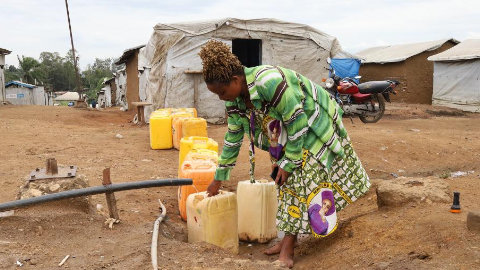
In Indore, Madhya Pradesh, a contaminated water supply in the Bhagirathpura area triggered a high-severity diarrhoea outbreak that began on January 1, 2026. Local health authorities have reported nine fatalities and more than 200 hospitalizations, primarily due to acute gastrointestinal illnesses from the tainted supply. The incident underscores persistent challenges in urban water management, where rapid urbanization and inadequate treatment facilities often lead to such crises. Response teams have been deployed to chlorinate water sources, distribute safe drinking water via tankers, and conduct mass screenings, though details on the exact contaminant remain under investigation.
Simultaneously, in Odisha, a jaundice outbreak at Jawahar Navodaya Vidyalaya (JNV) in Khurda district has affected 52 students as of January 7, prompting heightened vigilance from medical teams. Jaundice, often caused by the hepatitis A virus spread through contaminated food or water, has led school officials to contemplate closures for all classes except X and XII to minimize disruptions ahead of board exams. Medical squads are performing diagnostic tests on affected students, and water samples from the premises have been sent for laboratory analysis to identify potential contamination sources. Efforts to "break the disease chain," including sanitation drives and isolation protocols, are underway to safeguard the nearly 500 students at the residential institution.
Escalating Public Health Concerns
These outbreaks highlight a recurring pattern of waterborne diseases in India, where the country reports millions of cases annually. According to the World Health Organization (WHO), water contamination contributes to over 37.7 million cases of diarrhoeal diseases in India each year, with children under five being particularly vulnerable. In urban centers like Indore—a city of over 3 million known for its industrial growth—sewage leaks into water pipelines have historically caused similar episodes. A 2023 Central Pollution Control Board report flagged Indore's water quality issues, noting elevated bacterial counts in several wards, including areas near Bhagirathpura.
Odisha's JNV incident echoes broader challenges in residential schools, where shared facilities amplify transmission risks. Jaundice outbreaks have previously struck schools in states like Kerala and Uttar Pradesh, often traced to hep A via fecally contaminated water. The Times of India reported that Khurda JNV authorities are prioritizing student safety, with state health officials coordinating with the district administration. "We are collecting water samples and conducting tests to ascertain the cause," a school spokesperson stated, emphasizing continuity of education for senior classes amid the crisis.
Health experts attribute these events to monsoon-season infrastructure strain, though January's timing points to year-round vulnerabilities from aging pipes and irregular testing. India's Jal Jeevan Mission, launched in 2019 to provide piped water to all households by 2024, has covered 75% of rural homes but lags in urban and peri-urban areas like Bhagirathpura. The National Centre for Disease Control (NCDC) guidelines mandate rapid surveillance, yet resource gaps persist.
Government and Community Response
In Indore, the Madhya Pradesh health department has activated emergency protocols, including door-to-door surveys and ORS distribution. Chief Minister Mohan Yadav's office announced financial aid for victims' families, while municipal authorities face scrutiny over water quality monitoring. Over 50 teams are sanitizing the area, with hospitals on high alert for dehydration cases.
Odisha's response mirrors this urgency: the state health department dispatched mobile units to JNV Khurda, screening all students and staff. Water chlorination and hygiene education campaigns are in full swing. "The school will remain open for board classes to avoid academic loss, but we are ensuring no further spread," an official told media.
Broader Context and Outlook
India's health ministry data from 2025 shows a 15% rise in waterborne illnesses post-monsoon, exacerbated by climate variability increasing pathogen survival. Urbanization without proportional sanitation upgrades—only 40% of Indian cities have 100% sewage treatment, per a 2024 NITI Aayog report—fuels such risks. Vaccination drives for hep A are expanding, but coverage remains below 50% in high-risk groups.
As investigations continue, authorities urge boiling water and hand hygiene. With board seasons approaching, Odisha's school dilemma reflects the tension between health and education. Prolonged outbreaks could strain resources, but swift interventions offer hope for containment. Public health observers call for accelerated infrastructure investments to avert future escalations in India's densely populated regions.
(Word count: 612)