
Water Contamination Outbreak in Indore Leads to Diarrhoea Epidemic
A severe outbreak of diarrhoea linked to contaminated drinking water has struck the Bhagirathpura area of Indore, resulting in nine fatalities and over 200 hospitalizations since the start of the year. This alarming public health crisis has raised concerns about water safety and sanitation in the region.
The outbreak began on January 1, 2026, when local health officials reported a significant increase in cases of diarrhoea among residents. Medical personnel quickly identified the source as contaminated water supply, prompting immediate interventions. The situation escalated rapidly, with hospitals overwhelmed by the influx of affected individuals seeking treatment for gastrointestinal illnesses.
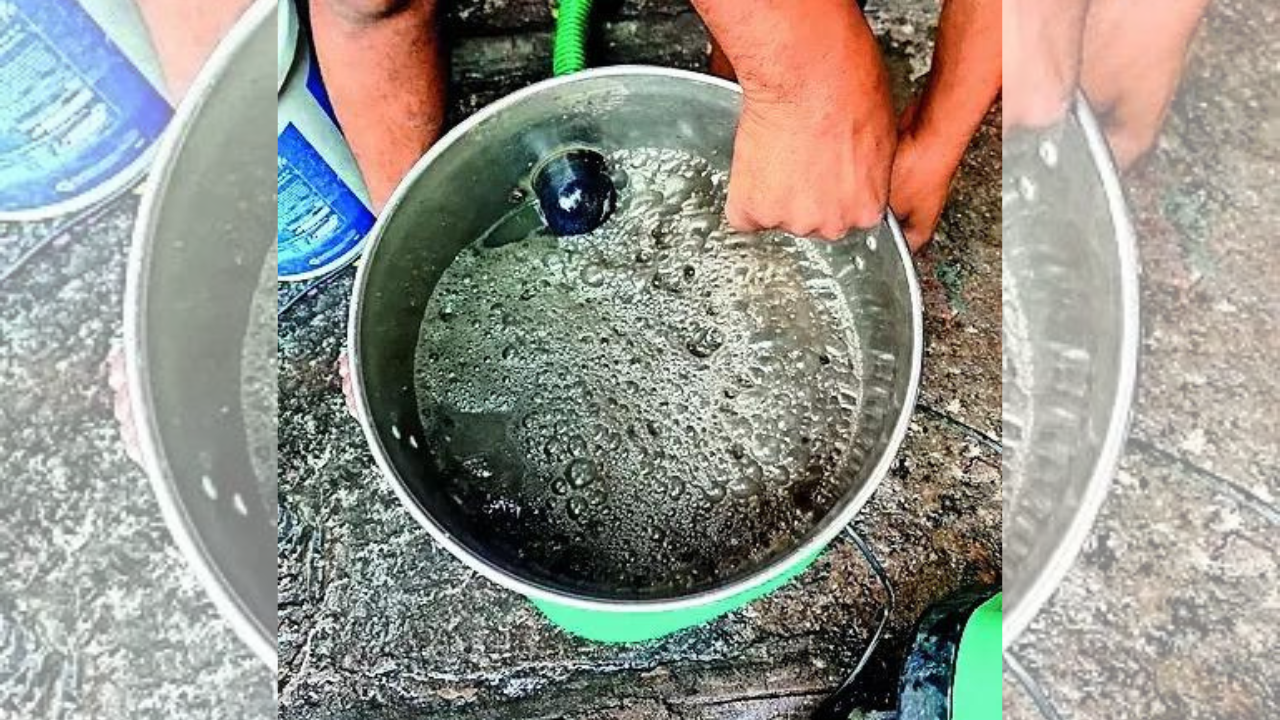
Local authorities have confirmed that the contaminated water is a result of sewage infiltration into the drinking water supply system in Indore. Health officials are urging residents to boil their water before consumption and to avoid drinking water from public sources until the issue is resolved. Sanitation measures are being implemented, including the distribution of clean drinking water and public awareness campaigns about hygiene practices.
In response to this outbreak, the Indore Municipal Corporation has launched an investigation to determine the extent of the contamination and to identify the necessary repairs to the water supply infrastructure. Water quality testing is being conducted throughout the affected area to ensure that the supply is safe for consumption.
As the crisis unfolds in Indore, similar water contamination issues have emerged in other Indian cities, notably Gandhinagar and Bengaluru. In Gandhinagar, officials reported 70 active cases of typhoid due to leaks in the water supply network, while residents in Bengaluru's Lingarajapuram have also experienced gastrointestinal illnesses linked to contaminated water. Authorities in these cities are working to identify and repair the breaches in their water supply systems, as the public health scare continues to spread.
The recent incidents highlight ongoing challenges related to water quality and public health in India, where access to clean drinking water remains a critical issue in many urban and rural areas. Health experts are emphasizing the need for improved infrastructure and more stringent regulations to prevent such outbreaks in the future.
In light of these developments, health officials are closely monitoring the situation and advising residents to remain vigilant about their water sources. As the government works to manage the crisis, there are calls for increased investment in water treatment facilities and sanitation infrastructure to ensure the safety of drinking water across the country.
The outbreak in Indore serves as a stark reminder of the importance of clean drinking water and proper sanitation in safeguarding public health. As the situation develops, local authorities and health officials are committed to addressing the immediate crisis while also planning for long-term solutions to ensure the safety and health of the community.