
Water Contamination Outbreak in Indore Leads to Diarrhea Epidemic
A severe outbreak of diarrheal illness has gripped Indore, India, following a contamination of the drinking water supply in the Bhagirathpura area. As of January 3, 2026, the outbreak has resulted in nine fatalities and over 200 hospitalizations, prompting urgent public health interventions.
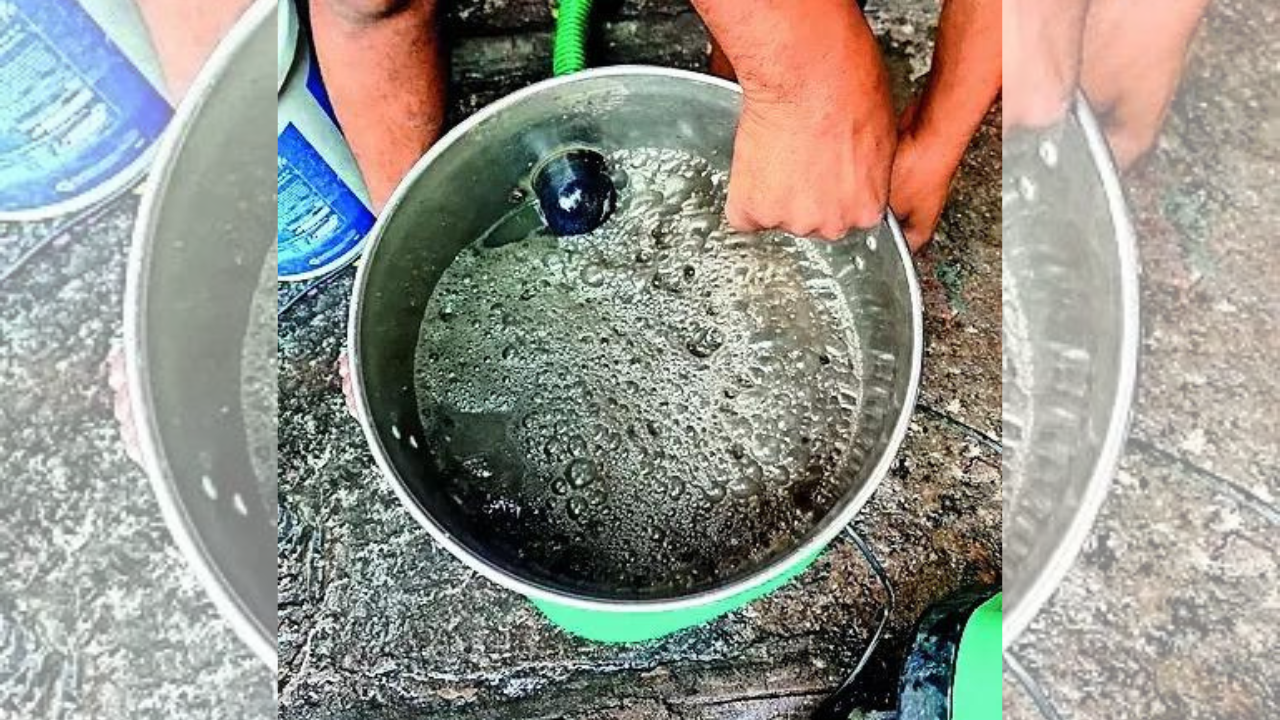
The contamination, which began on January 1, 2026, has raised alarms among health officials and residents alike. Reports indicate that the outbreak is linked to sewage contamination of the local water supply, with many affected individuals exhibiting symptoms of severe gastrointestinal illness. Local hospitals have been overwhelmed with patients seeking treatment for dehydration and related complications.
Officials in Indore are working tirelessly to identify the source of the contamination. Preliminary investigations suggest that leaks in the water supply network may be to blame, allowing sewage to mix with drinking water. Health authorities are urging residents to boil water before consumption and to avoid using tap water for cooking and cleaning until the issue is resolved.
The situation in Indore has also sparked concerns in other regions of India. In Gandhinagar, a similar crisis has emerged, with 70 active cases of typhoid reported due to contamination in the water supply network. Public health officials are scrambling to address these issues, as the risk of further outbreaks looms. Bengaluru has also reported increased cases of gastrointestinal illnesses, prompting city officials to investigate the water quality in affected neighborhoods.
The rise in cases of typhoid and gastrointestinal illnesses across multiple cities highlights the critical need for reliable water infrastructure and regular maintenance. Local governments are under pressure to expedite repairs to existing water supply systems and ensure that the water delivered to residents is safe for consumption.
This outbreak serves as a stark reminder of the challenges that many urban areas in India face regarding water quality and public health. The Indian government has made strides in improving water infrastructure in recent years, but incidents like this reveal ongoing vulnerabilities that can pose severe health risks to communities.
As health officials continue to respond to the crisis in Indore and monitor developments in Gandhinagar and Bengaluru, they emphasize the importance of public awareness. Residents are encouraged to report any signs of illness and to adhere to safety guidelines regarding water usage.
In conclusion, the water contamination outbreak in Indore has not only led to tragic loss of life but has also highlighted the urgent need for improved water safety measures across India. The interconnected nature of water supply issues in various cities underscores the necessity for robust public health strategies to prevent future outbreaks and safeguard the health of the population.