Water Contamination Outbreak in Indore Declared Epidemic as Deaths Rise

Latest from X
Water Contamination Outbreak in Indore Declared Epidemic as Deaths Rise
In the heart of Madhya Pradesh, India, a severe waterborne disease outbreak in Indore's Bhagirathpura neighborhood has escalated into a public health crisis, claiming at least 10 lives and hospitalizing hundreds. Declared an epidemic by local authorities, the incident highlights ongoing challenges in water safety and infrastructure in urban areas.
The outbreak, centered on contaminated drinking water, began around January 1, 2026, and has rapidly affected residents, particularly in densely populated areas. According to reports, more than 200 people have been hospitalized with symptoms of diarrhoea and related illnesses, prompting an urgent response from health officials. The contamination has been attributed to bacterial sources in the water supply, leading to immediate measures such as shutting down the affected water systems and initiating chlorination efforts to curb further spread.
Health authorities in Indore have mobilized specialized teams from both the central and state governments to investigate the source of the contamination. A high-level meeting involving national and state experts was held to coordinate the response, focusing on rapid testing, treatment distribution, and preventive measures. Officials have emphasized the need for thorough water quality checks across the region, with samples being analyzed to identify the exact pathogens involved. As of January 5, 2026, temporary medical camps have been established in the affected areas to provide on-site care and monitor the situation.
Posts on X from verified news accounts have added to the narrative, describing the eerie quiet in Bhagirathpura as residents remain indoors and rely on these camps for assistance. These updates underscore the community's disruption, with accounts noting the establishment of medical support in the locality to handle the influx of cases. Additionally, information from such posts has referenced preliminary lab reports indicating bacterial contamination in the drinking water, linking it to at least four deaths, though these details remain unconfirmed and are part of ongoing investigations.
The outbreak has drawn attention to broader issues in India's water management systems. India has faced recurring episodes of waterborne diseases, often exacerbated by inadequate sanitation, aging infrastructure, and seasonal factors like monsoons, which can introduce contaminants into supply lines. In Madhya Pradesh alone, similar incidents have occurred in recent years, prompting calls for upgraded filtration and monitoring technologies. Experts, including those from the Indian Council of Medical Research, have long warned that urban expansion without proportional improvements in public health infrastructure increases vulnerability to such epidemics.
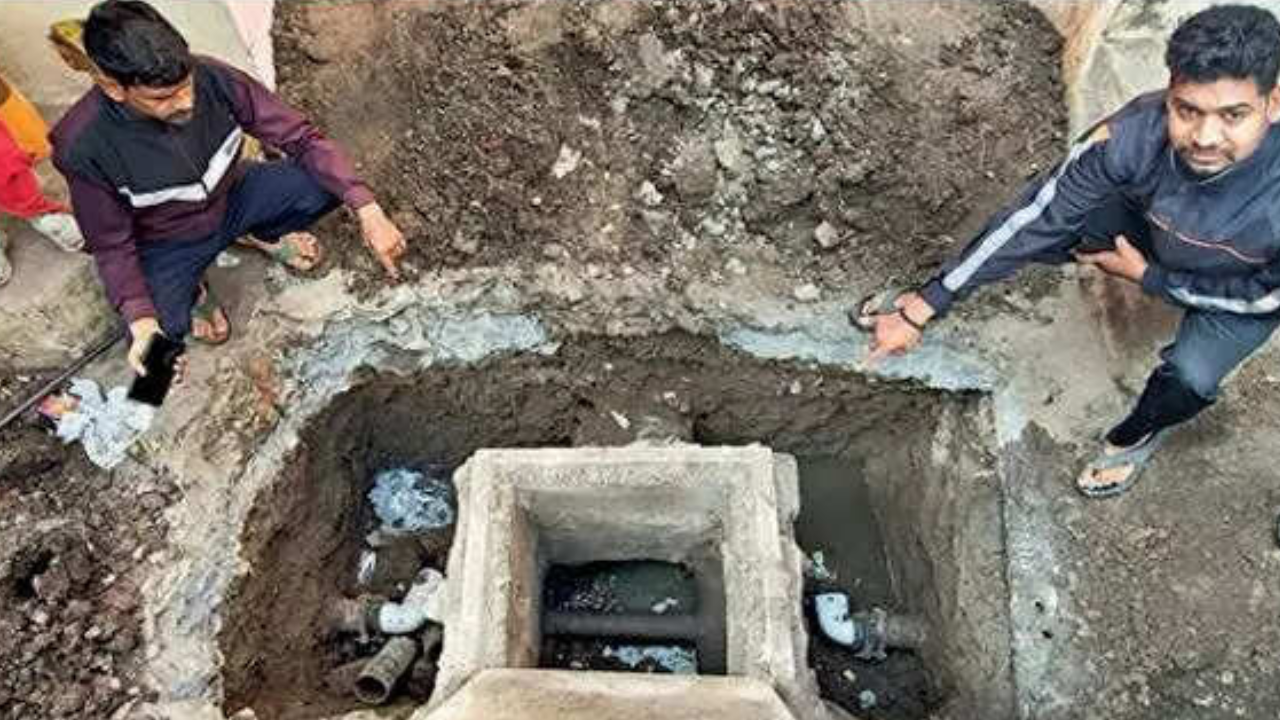
Background on the event reveals that Bhagirathpura, a residential area in Indore, is typical of many Indian suburbs where rapid population growth has strained resources. The contamination likely stemmed from sources such as polluted groundwater or pipeline leaks, a common problem in regions with insufficient regulatory oversight. This incident echoes past crises, such as the 2020 COVID-19 challenges in Indore, where community health responses played a critical role in containment. However, the current situation underscores the persistent gap between policy and implementation, as national guidelines for water safety, including regular chlorination and testing, are not always enforced effectively at the local level.
In response, the Madhya Pradesh government has pledged to accelerate relief efforts, including distributing safe drinking water through tankers and conducting door-to-door health checks. The World Health Organization and other international bodies have monitored the situation, offering technical support to prevent further escalation. As investigations continue, health officials are urging residents to boil water and practice hygiene to mitigate risks.
Looking ahead, this outbreak serves as a stark reminder of the need for systemic reforms in India's public health sector. With the epidemic declaration, authorities are focusing on containment and long-term prevention, but the human toll highlights the urgency. Community awareness campaigns and infrastructure upgrades could help avert future crises, though the full impact on Bhagirathpura's residents will depend on the effectiveness of ongoing interventions.
(Word count: 612)
Track this story live
Original Sources
- •
Editorial process: This article was synthesized from the original sources cited above using The World Now's AI editorial system, with byline accountability from our editorial team. We grade every story for source grounding, factual coherence, and on-topic match before publication. Read more about our editorial standards and contributors. Spot something inaccurate? Let us know.
Last updated: January 26, 2026