
Water Contamination Outbreak in Indore Claims Lives and Sparks Accountability Crisis
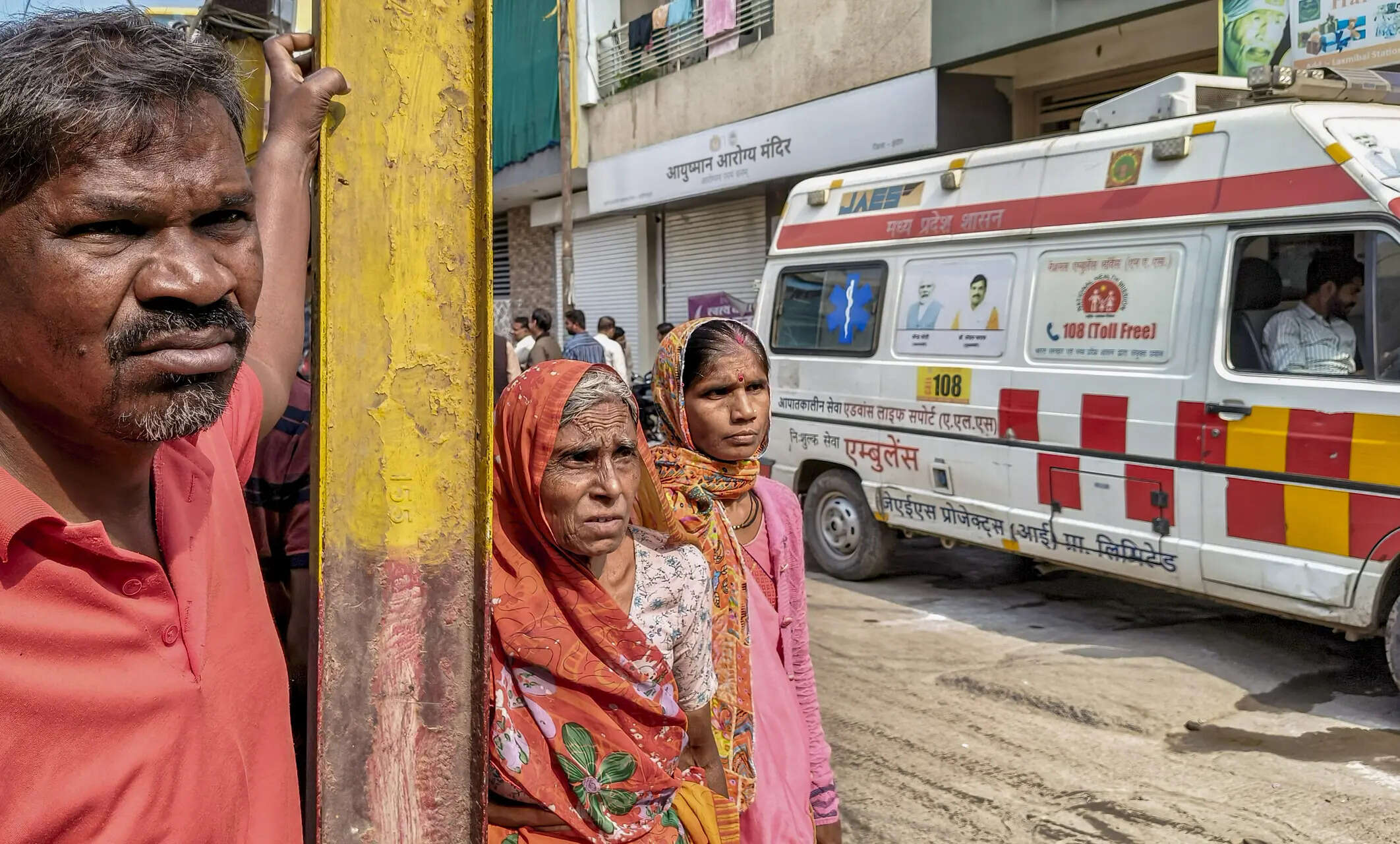
A severe outbreak of diarrhoea in Indore, India, has resulted in the tragic deaths of at least ten individuals and has led to over 200 hospitalizations since the contaminated water supply was reported on January 1, 2026. The outbreak, centered in the Bhagirathpura area, has raised urgent health concerns and prompted significant governmental action.
The Madhya Pradesh state government has responded to the crisis by removing Indore Municipal Corporation (IMC) Commissioner Dilip Kumar Yadav and suspending Additional Commissioner Rohit Sisoniya. The decision reflects the growing public outcry and allegations of negligence surrounding the water supply management. An in-charge superintendent engineer has also been removed from their post as authorities scramble to address accountability in the wake of this health emergency.
As of January 2, 2026, hospital sources indicate that approximately 200 individuals remain hospitalized, with 32 patients in critical condition requiring intensive care. Health officials are closely monitoring the situation as the number of cases continues to rise. The outbreak has highlighted the vulnerabilities in public health infrastructure, especially concerning access to clean drinking water—a basic necessity that many residents of Indore have come to rely on.
Local officials have engaged in a blame game, with civic body officials and elected representatives trading accusations over who is responsible for the lapses that led to the outbreak. Allegations include ignored complaints from residents regarding water quality, leading to a situation where contaminated water was allowed to circulate in the community. This conflict underscores the essential role of governance and accountability in ensuring public health safety.
In response to the outbreak, the state government is expected to conduct a thorough investigation into the management of the water supply and the response of local authorities. Health Minister Prabhuram Chaudhary has indicated that the government is committed to ensuring that such an incident does not occur again and that immediate steps will be taken to restore public confidence in the water supply system.
Background
Waterborne diseases remain a significant public health threat in India, particularly in urban areas where infrastructure may be inadequate. Past outbreaks, such as cholera and typhoid, have highlighted the critical need for improved water quality management and public health education. The current outbreak in Indore serves as a stark reminder of the consequences of neglecting these essential services.
As authorities work to manage the current health crisis, the incident calls for a renewed focus on preventive measures, including regular water quality testing and community engagement to ensure that residents are informed about the status of their drinking water.
The Indore outbreak has not only claimed lives but has also ignited a debate about the responsibilities of public officials and the need for systemic reforms to prevent future health crises. The ongoing situation will require close monitoring as the government and health authorities strive to contain the outbreak and address the underlying issues that contributed to the contamination.