
Water Contamination Crisis in India: Outbreaks of Diarrhea and Typhoid Raise Alarm
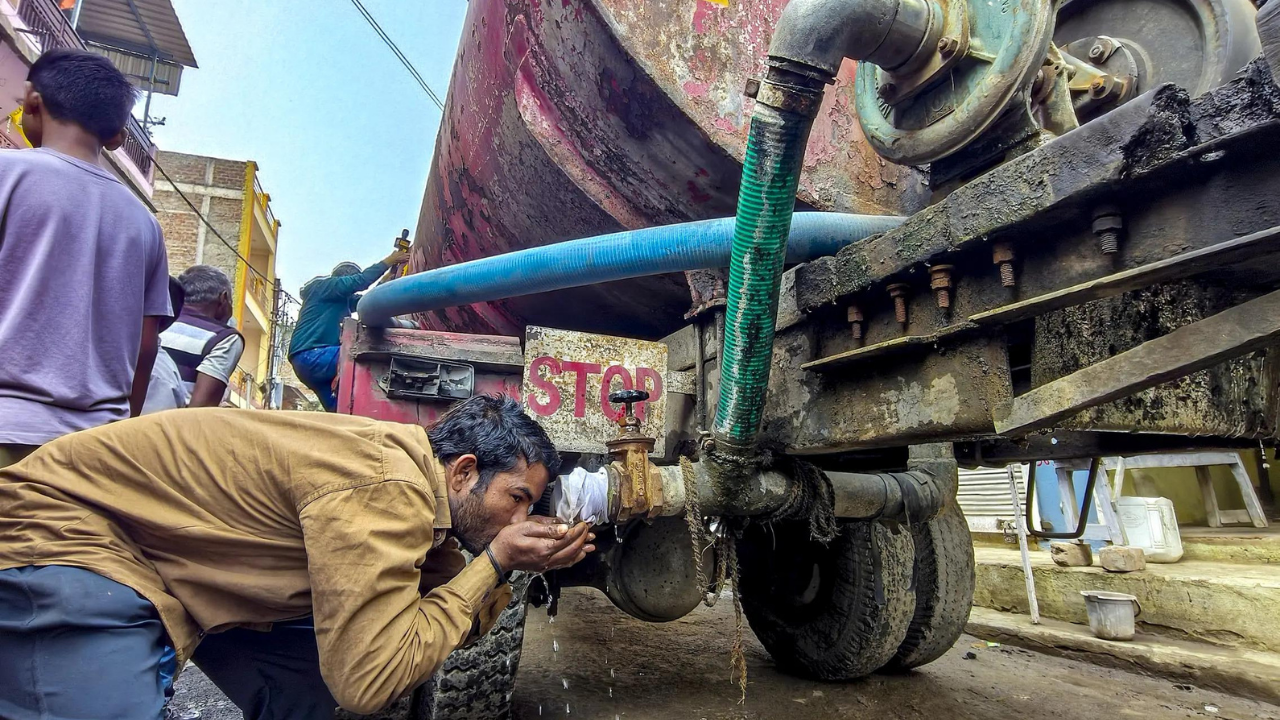
In a troubling turn of events, India is facing a significant health crisis as two major outbreaks linked to contaminated water supplies have emerged in the states of Madhya Pradesh and Gujarat. The situation in Indore, Madhya Pradesh, has escalated dramatically, with a severe diarrhea outbreak resulting in multiple fatalities and hospitalizations. Concurrently, Gandhinagar in Gujarat is grappling with a typhoid outbreak, further underscoring the critical issue of water safety in the region.
Diarrhea Outbreak in Indore
As of January 4, 2026, the city of Indore has reported alarming figures related to a diarrhea outbreak attributed to contaminated drinking water. The crisis began on January 1, when a leak in a main water supply pipeline led to a rapid spread of the illness in the Bhagirathpura area. Since then, health officials have confirmed at least nine deaths and over 1,400 cases of diarrhea, prompting widespread concern among residents and authorities alike.
Residents have expressed their fears about the safety of municipal water, with many opting for bottled water instead. "We're scared to drink tap water after this tragedy," one local resident remarked, reflecting a growing mistrust in the municipal supply. In response, local authorities have ramped up efforts to restore public confidence through awareness campaigns and increased chlorination of the water supply.
Typhoid Outbreak in Gandhinagar
While Indore battles its health crisis, Gandhinagar in Gujarat is dealing with its own water-related emergency. Reports indicate that at least 70 cases of typhoid have been confirmed, linked to contaminated drinking water due to sewage leaks in the newly laid water supply system. Health officials are responding by opening a 30-bed pediatric ward to accommodate the influx of patients and have intensified outpatient checks.
Authorities are working diligently to address the leaks and contain the outbreak, hoping to prevent further spread of the disease. Local health officials are advising residents to avoid drinking untreated water and are monitoring the situation closely to implement necessary public health measures.
Context and Public Health Implications
These outbreaks highlight ongoing challenges related to water quality in India, where infrastructure issues and contamination have been longstanding concerns. The incidents in Indore and Gandhinagar serve as stark reminders of the critical need for improved water management and public health infrastructure to safeguard communities against waterborne diseases.
The Indian government, along with local health authorities, is under pressure to take effective action to prevent similar outbreaks in the future. As the situation develops, public health experts are advocating for increased investment in safe drinking water initiatives and better waste management practices to ensure that such health crises do not recur.
Conclusion
The current health crises in Indore and Gandhinagar reflect broader systemic issues related to water safety in India. As both cities grapple with the consequences of contaminated water supplies, it is crucial for local and national authorities to prioritize public health interventions and infrastructure improvements to protect citizens from preventable diseases. With growing public concern and trust eroding in municipal water sources, the need for immediate and effective action has never been more urgent.