
Venezuela Geopolitics Heats Up: Russia Allegedly Offers US Leverage Amid Maduro Regime's US Raid Claims
Caracas/Washington, January 11, 2026 – Geopolitical tensions surrounding Venezuela intensified this week with reports of a purported Russian diplomatic overture to the United States and fresh allegations from a Nicolás Maduro regime loyalist detailing a deadly US military operation, signaling deepening US-Russia rivalries playing out in Latin America.
A former adviser to US President Donald Trump revealed on January 6 that Russia had proposed granting the United States a "free hand" in Venezuela in exchange for concessions on the Ukraine conflict. This claim, emerging amid stalled Ukraine peace talks and ongoing US sanctions against Maduro's government, underscores Moscow's strategic maneuvering to alleviate pressure on its Latin American ally while seeking leverage in Eastern Europe. The disclosure highlights Venezuela's role as a proxy battleground, where Russia has provided military and economic support to Maduro since the disputed 2018 reelection that sparked international condemnation.
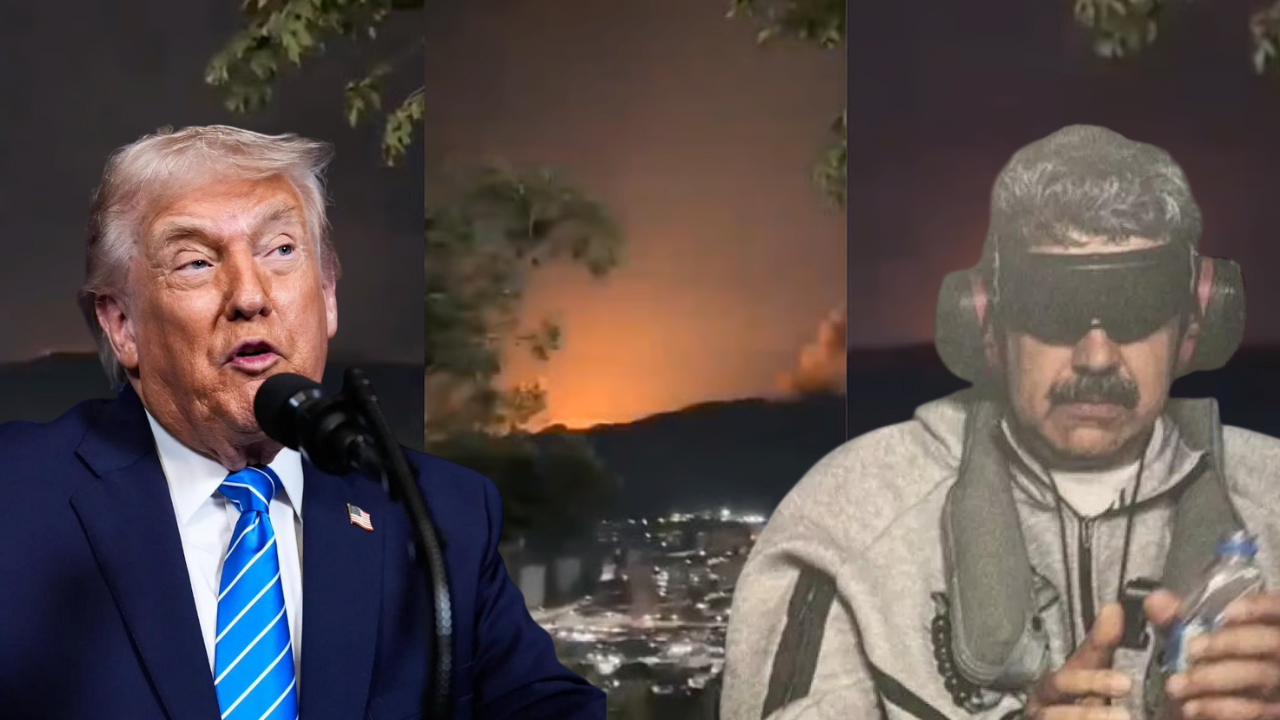
Compounding the friction, a guard loyal to Maduro's regime provided a dramatic account of an alleged US raid, claiming that just 20 American operatives neutralized hundreds of Venezuelan defenders. Published by the Times of India on January 10, the guard's testimony paints a picture of overwhelming US tactical superiority, warning Latin American nations of potential future incursions. "Twenty men killed hundreds," the guard reportedly stated, describing the operation as a chilling demonstration of US power projection in the region. He issued a stark admonition: similar actions could target any government opposing Washington’s interests, framing the incident as part of a broader pattern of interventionism.
Details of the purported raid remain unverified by independent sources, with no official confirmation from the US government or Maduro's administration beyond the guard's narrative. The account emerges against a backdrop of heightened US-Venezuela hostilities, including Washington's recognition of opposition figures like María Corina Machado and Edmundo González as legitimate leaders following the contested July 2024 presidential election, which Maduro claimed to have won amid widespread fraud allegations.
Background on Venezuela's Crisis and Foreign Entanglements
Venezuela's political turmoil dates back to 2013, when Maduro succeeded the late Hugo Chávez amid economic collapse triggered by mismanaged oil revenues, US sanctions, and corruption. Hyperinflation peaked at over 1 million percent in 2018, driving mass emigration—estimated at 7.7 million people by UN figures as of late 2025. Russia, alongside China and Iran, has bolstered Maduro with loans, arms, and oil deals totaling billions, countering US efforts to isolate the regime.
The US has imposed escalating sanctions since 2017, targeting Maduro's inner circle and PDVSA, the state oil company. Covert operations, including CIA-backed opposition support, have been alleged by Caracas, though Washington denies direct military involvement. The Biden administration's 2023 sanctions relief—tied to electoral commitments later abandoned by Maduro—further eroded trust. Trump's return to office in January 2025 signaled a hawkish pivot, with renewed vows to oust Maduro.
Russia's alleged offer fits a pattern of geopolitical horse-trading. Moscow has deepened ties with Venezuela, hosting Wagner Group mercenaries (now Africa Corps) for security and supplying Su-30 jets. In Ukraine, where Russia annexed Crimea in 2014 and launched a full invasion in 2022, the US has committed over $175 billion in aid by 2026 estimates. Any Venezuela-Ukraine swap would mark a rare concession from Putin, who views Maduro as a ideological bulwark against US "hegemony."
Reactions and Regional Implications
The Maduro guard's warning has rippled across Latin America, where leaders like Brazil's Luiz Inácio Lula da Silva and Colombia's Gustavo Petro advocate dialogue via the Grupo de Contacto. Mexico and Argentina have hosted mediation talks, but progress stalled post-2024 elections. US Secretary of State Antony Blinken, in a January 9 briefing, reiterated support for "democratic restoration" without addressing raid claims, while emphasizing sanctions enforcement.
Moscow has not commented on the offer, but Kremlin spokesperson Dmitry Peskov dismissed it as "speculation" on January 7. Venezuelan Foreign Minister Yván Gil accused the US of "imperialist aggression," linking it to broader hybrid warfare.
Outlook Amid Escalating Stakes
As Trump’s team reviews the Russian proposal, analysts see limited uptake: conceding on Ukraine risks alienating NATO allies, while Venezuela remains a hemispheric priority due to migration pressures (over 800,000 Venezuelans at the US border in FY2025) and oil security. A US raid, if substantiated, could galvanize anti-American sentiment, boosting Maduro's narrative of external threats.
International observers, including the Carter Center, urge transparent elections, but with opposition leaders in exile and arrests surging, stability hangs in balance. The interplay of great-power competition risks further destabilizing the oil-rich nation, with global energy markets watching closely—Venezuela holds the world's largest proven reserves at 303 billion barrels.
This convergence of claims and diplomacy portends a volatile 2026 for Venezuela, where local grievances intersect with superpower showdowns.
(Word count: 712)






