
Venezuela Declares State of Emergency Amid Rising Tensions Over U.S. Military Strikes
In a significant escalation of political tensions, Venezuela's government declared a state of emergency on January 3, 2026, following a series of U.S. military strikes that the Venezuelan administration describes as an "imperialist attack." The announcement has prompted calls for nationwide protests, with government officials urging supporters to mobilize against what they characterize as foreign aggression.
The declaration of a state of emergency comes amidst a backdrop of increasing unrest and widespread discontent among the Venezuelan population. President Nicolás Maduro’s government has framed the U.S. actions as a direct threat to its sovereignty and national security, leading to heightened anti-American sentiment and calls for solidarity among Venezuelans.
Protests Erupt in Response
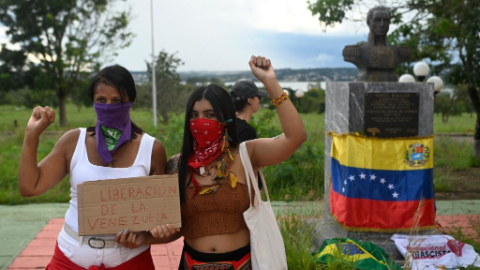
Following the government's call to action, protests have erupted across the country, with thousands of citizens taking to the streets to voice their opposition to U.S. military involvement in Venezuelan affairs. Demonstrators have expressed indignation over the perceived violation of sovereignty, while supporters of the government have rallied in defense of national pride and resistance against foreign intervention.
In addition to the domestic protests, solidarity demonstrations have been reported in multiple countries, reflecting a broader international response to the situation in Venezuela. Various groups in Latin America and beyond have organized rallies to denounce U.S. actions and express support for the Venezuelan government.
Context of U.S. Military Strikes
The U.S. military strikes were reportedly aimed at suspected military installations and assets linked to the Venezuelan government. While the U.S. has not provided extensive details on the operations, officials claim that such actions are intended to address concerns over human rights abuses and the destabilizing influence of the Maduro administration in the region.
The Venezuelan government has condemned these strikes as violations of international law and has called for immediate international intervention to halt what it describes as acts of aggression. The situation has drawn attention from various international organizations, which have expressed concerns over the potential for escalating violence and instability in the region.
Historical Background
Venezuela has been embroiled in a complex political crisis for several years, marked by severe economic challenges, social unrest, and a humanitarian crisis. The country has witnessed widespread protests against the Maduro government, with opposition groups calling for democratic reforms and an end to authoritarian practices.
The U.S. has historically played a contentious role in Venezuela's affairs, with sanctions and diplomatic pressure being employed to challenge Maduro’s rule. Previous efforts to support opposition factions have further strained relations, leading to a deepening divide between the Venezuelan government and the U.S.
Conclusion
As tensions continue to mount, the declaration of a state of emergency in Venezuela signifies a critical juncture in the ongoing conflict. The mobilization of supporters against perceived foreign aggression may lead to intensified protests and further unrest in the coming days. The international community is closely monitoring the situation, as the potential for escalation remains high amid a backdrop of deep-seated grievances and geopolitical interests.






