
Venezuela Declares State of Emergency Amid Rising Civil Unrest
Venezuela has declared a state of emergency as civil unrest escalates following a series of protests against what the government describes as imperialist aggression from the United States. The president's administration has urged supporters to mobilize in response to perceived military threats, intensifying an already volatile political climate in the country.
The declaration, announced on January 3, 2026, comes amid heightened tensions surrounding U.S. military activity that the Venezuelan government claims is an attack on its sovereignty. In a rallying cry to the populace, the government has called for protests against these military actions, asserting that the nation must unite to defend itself against foreign intervention.
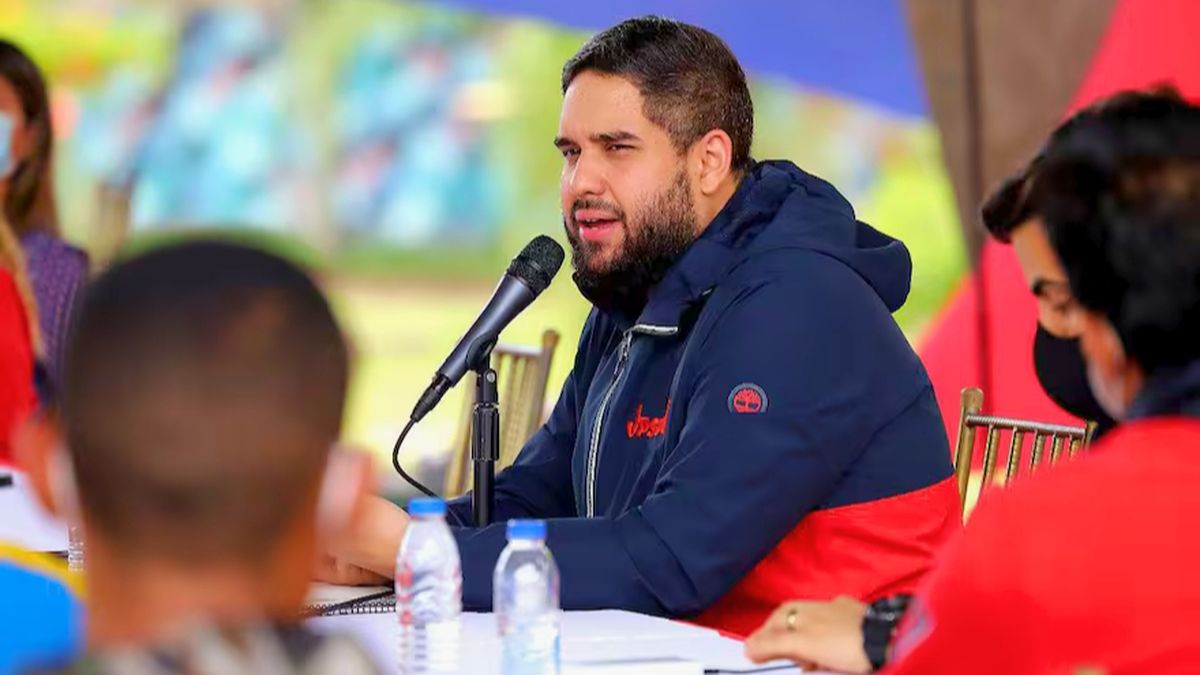
In a significant development, Nicolás Maduro's son has openly called for armed resistance following the detention of his father earlier this month. This statement has further inflamed tensions and has led to fears of increased violence and unrest across the nation. The government’s response has been to bolster security measures and rally its supporters, framing the situation as a fight for national sovereignty against external aggression.
The state of emergency grants the government extraordinary powers to maintain order, including the ability to deploy the military to assist in law enforcement and impose curfews if necessary. These measures are intended to quell potential uprisings and ensure that the government can maintain control amid the swelling dissent.
Context and Background
Venezuela has been grappling with economic crises, political instability, and social unrest for several years. The country has faced severe shortages of basic goods, hyperinflation, and a mass exodus of its citizens, all of which have contributed to widespread discontent. Maduro's administration has frequently blamed external forces, particularly the United States, for the country’s hardships, alleging that economic sanctions and military threats are aimed at destabilizing his government.
In the wake of Maduro's detention, the political landscape has shifted dramatically. His supporters see his imprisonment as a martyrdom, while his opponents view it as an opportunity to push for change. The call for armed struggle by Maduro's son has raised concerns among international observers about the potential for violence and further deterioration of civil order.
Conclusion
As Venezuela navigates this precarious moment, the declaration of a state of emergency signals the government's intent to consolidate power and suppress dissent. The international community is watching closely, aware that the consequences of escalating violence could have far-reaching implications not only for Venezuela but for regional stability as well. The coming days will be critical in determining whether the country can avoid a deeper spiral into chaos or if the unrest will lead to a significant transformation in its political landscape.






