US Takeover of Venezuelan Oil Sector Sparks Hope for India Amid Economic Turmoil

Latest from X
US Takeover of Venezuelan Oil Sector Sparks Hope for India Amid Economic Turmoil
In a dramatic turn of events, the United States has initiated a takeover of Venezuela’s vast oil reserves following a large-scale military strike on Caracas and the capture of President Nicolás Maduro on January 3, 2026. This unprecedented move, aimed at stabilizing the country’s beleaguered economy and securing its oil assets, could have significant implications for global markets and specific countries like India, which stands to recover substantial dues and revive stalled oil projects.
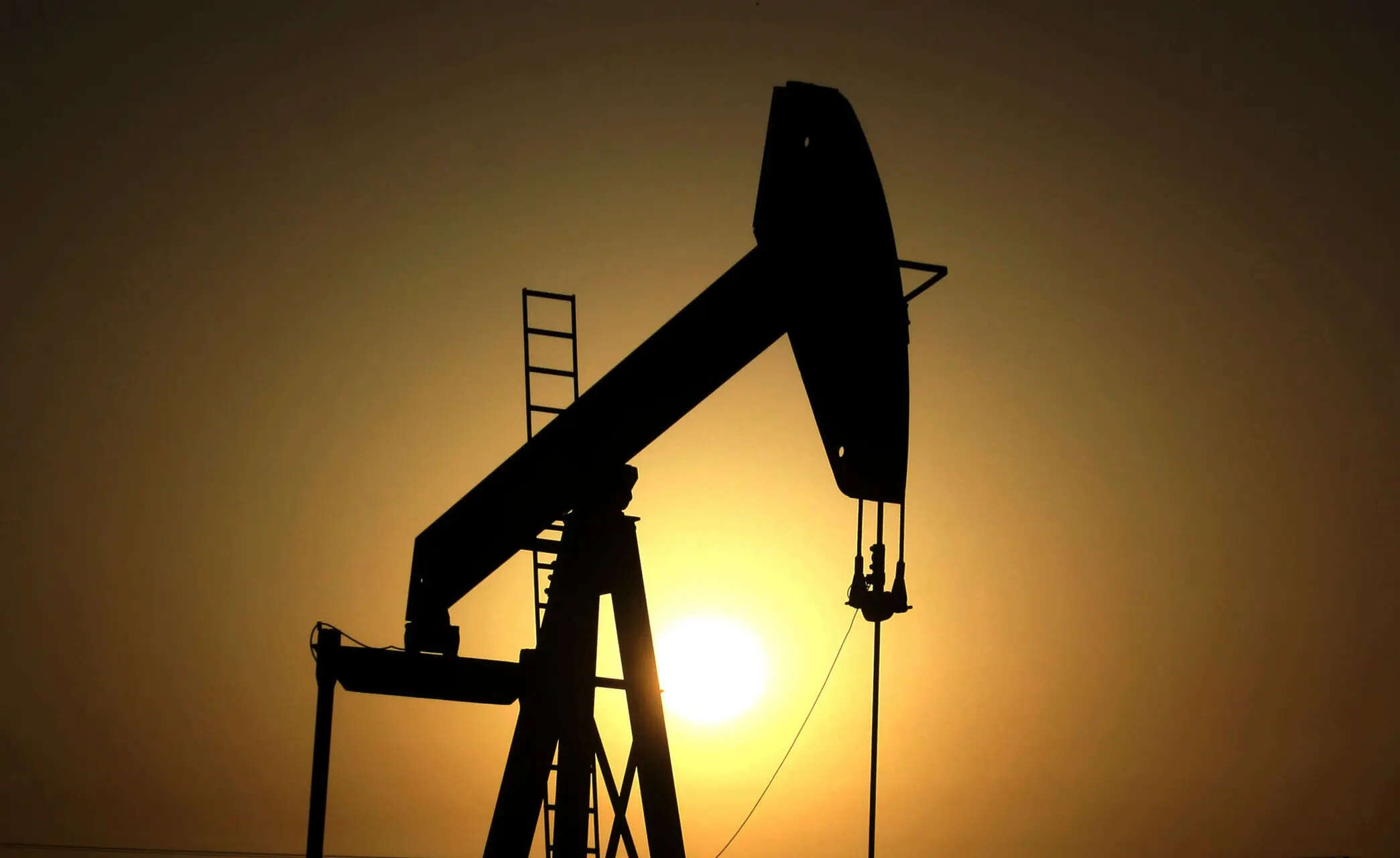
The US intervention comes after years of economic collapse in Venezuela, exacerbated by mismanagement, corruption, and stringent US sanctions that have crippled its oil industry—once the backbone of the nation’s economy. Venezuela holds the world’s largest proven oil reserves, but production has plummeted to around 1.1 million barrels per day, a fraction of its peak capacity, due to chronic underinvestment and political instability. The Trump administration’s latest action, as reported by CNN Business, is framed as a strategic move to control these resources and potentially reshape the global energy landscape.
For India, this development offers a glimmer of hope. Indian oil companies, including ONGC Videsh, have long been entangled in Venezuela’s economic quagmire, with approximately $1 billion in unpaid dues tied to joint ventures such as the San Cristobal field. According to The Times of India, the US-led restructuring of Venezuela’s oil sector could facilitate the recovery of these funds and enable the resumption of crude production at Indian-operated fields. This comes at a critical juncture for India, which has faced challenges in diversifying its energy imports amid fluctuating global oil prices and past US sanctions that restricted trade with Venezuela.
Economic Context and Debt Crisis
Venezuela’s economic crisis is among the most severe in modern history, marked by hyperinflation, widespread poverty, and a sovereign debt default that remains unresolved. As detailed by Newsmax, the toppling of Maduro has thrust the country’s billions in distressed debt into the spotlight, with international creditors and stakeholders vying for a share of potential repayments. The US intervention could pave the way for restructuring this debt, providing a framework for economic recovery, though uncertainties linger over how resources will be allocated and who will ultimately benefit.
India’s stake in this scenario is not just financial but strategic. Over the past decade, Indian policymakers have navigated the complexities of US sanctions, often halting oil imports from Venezuela—one of its historically significant trading partners—to comply with international restrictions. Posts on X reflect a mix of optimism and caution among analysts, with some noting that the stabilization of Venezuela’s oil sector under US influence could unlock stuck payments for India, while others warn of potential volatility in crude prices impacting sectors like aviation and logistics.
Global Oil Markets and Regional Implications
Despite the dramatic nature of the US action, early indications suggest that the immediate impact on global oil markets may be limited. Venezuela’s current production accounts for only about 1% of global supply, and key facilities appear undamaged, as noted in recent updates. Brent crude prices have remained relatively stable, closing at approximately $60.75 per barrel on January 2, 2026, with no significant spike reported so far. However, the long-term implications of US control over Venezuelan oil—potentially valued at twice India’s entire GDP, as highlighted in social media discussions—could reshape energy dynamics if production ramps up significantly.
For India, the revival of Venezuelan oil fields could bolster energy security, especially as the country seeks to reduce reliance on Middle Eastern suppliers. Yet, challenges remain, including the need for substantial investment to rehabilitate Venezuela’s decaying infrastructure and the geopolitical risks tied to US dominance in the region.
Outlook
As the situation unfolds, the international community watches closely to see how the US will manage Venezuela’s oil assets and whether this intervention will bring stability or further conflict. For India, the potential recovery of $1 billion in dues and the restart of oil production offer a rare opportunity, though tempered by uncertainties over implementation and market reactions. The coming weeks will be crucial in determining whether this bold US move marks a turning point for Venezuela’s economy—and for its long-standing economic partners like India. Meanwhile, stakeholders across the globe brace for potential shifts in energy geopolitics, with Venezuela’s vast reserves at the center of the unfolding drama.
Track this story live
Live World Map
Monitor global events in real time with a live activity map and hotspot summaries.
Markets
Connect live events to Catalyst market signals across crypto, commodities, indices, and forex.
Stock Market Prediction
AI-powered stock market forecasts for S&P 500, Nasdaq, and Dow Jones with geopolitical analysis.
Recession Risk
Track recession risk indicators with AI-powered macro stress and market behavior analysis.
Original Sources
- •
- •
- •US strikes Venezuela: What it means for oil supply and prices? Impact on India— The Times of India
Editorial process: This article was synthesized from the original sources cited above using The World Now's AI editorial system, with byline accountability from our editorial team. We grade every story for source grounding, factual coherence, and on-topic match before publication. Read more about our editorial standards and contributors. Spot something inaccurate? Let us know.
Last updated: January 27, 2026