
U.S. Strikes Venezuela, Capturing Maduro in Major Escalation
In a dramatic escalation of U.S.-Venezuela relations, the United States executed a large-scale military strike on January 3, 2026, resulting in the capture of Venezuelan President Nicolás Maduro and his wife. This significant development has raised concerns about increased instability in Venezuela and the broader Latin American region.
The U.S. strike, which reportedly involved airstrikes targeting key facilities linked to alleged drug trafficking, has been characterized by President Donald Trump as a necessary measure to restore order and combat the narcotics trade. Following the attack, Maduro was taken into custody and is believed to have been transported to New York for further processing by U.S. authorities. "We will run the country," Trump declared, indicating a shift in U.S. policy towards direct involvement in Venezuelan governance.
Details of the Strike
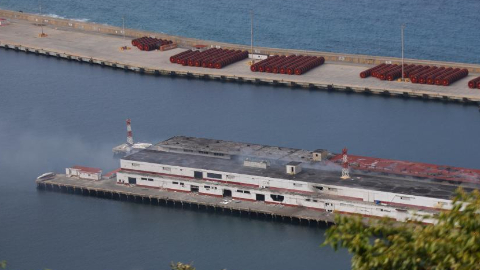
The military operation began with a drone strike on December 31, 2025, targeting a facility in Venezuela that the U.S. government accused of being linked to drug trafficking activities. The U.S. administration had been ramping up its rhetoric against Maduro’s government, which it has long accused of harboring drug cartels and engaging in corruption. The airstrike on January 3 struck the port of La Guaira, causing significant damage and reportedly resulting in civilian casualties, though numbers remain unconfirmed at this time.
According to sources, the attack has led to a temporary closure of the Venezuelan border with Brazil, as the government braces for potential retaliatory actions and seeks to maintain security in the wake of the U.S. intervention. Venezuelan officials have condemned the strikes, labeling them as acts of aggression and violations of sovereignty.
International Reaction and Potential Consequences
The strikes and the subsequent capture of Maduro have prompted immediate international reactions. Critics of the U.S. intervention have expressed concerns about the humanitarian implications, warning that the military action could exacerbate the already dire situation in Venezuela, where millions are facing food shortages and economic collapse.
Al Jazeera reported that U.S. attacks could fuel greater destabilization in Latin America, potentially leading to increased migration flows from Venezuela as citizens flee the escalating conflict and unrest. The situation is compounded by the ongoing humanitarian crisis, which has already driven millions to seek refuge in neighboring countries.
Background on U.S.-Venezuela Relations
U.S.-Venezuela relations have been fraught with tension for years, particularly since Maduro took office in 2013 following the death of Hugo Chávez. The U.S. has imposed a series of sanctions on key Venezuelan officials and state-owned enterprises, aiming to weaken Maduro's grip on power. The U.S. has also supported opposition leaders, including Juan Guaidó, who declared himself interim president in 2019 with backing from Washington.
The U.S. government's recent military actions mark a significant pivot from previous strategies of sanctions and diplomatic pressure. As the geopolitical landscape shifts, the implications of the U.S. strikes will likely reverberate throughout Latin America, raising questions about the future of governance in Venezuela and the potential for broader conflict in the region.
Conclusion
The U.S. strikes in Venezuela represent a pivotal moment in the ongoing saga of the Maduro regime and U.S. foreign policy in Latin America. As the situation unfolds, the international community will be closely monitoring the implications of this military intervention, particularly regarding humanitarian concerns and the potential for further destabilization in an already volatile region. The coming days and weeks will be critical in determining how the Venezuelan population and the broader region respond to this dramatic escalation in U.S. involvement.






