
US ramps up sanctions enforcement with tanker seizures in Caribbean as Trump signals aggressive global stance
WASHINGTON — U.S. forces have conducted high-stakes maritime operations in the Caribbean Sea, seizing a sanctioned oil tanker linked to Venezuela's evasion of U.S. sanctions, while President Donald Trump endorses new penalties against Russia and pursues a muscular foreign policy doctrine that has global observers on edge.
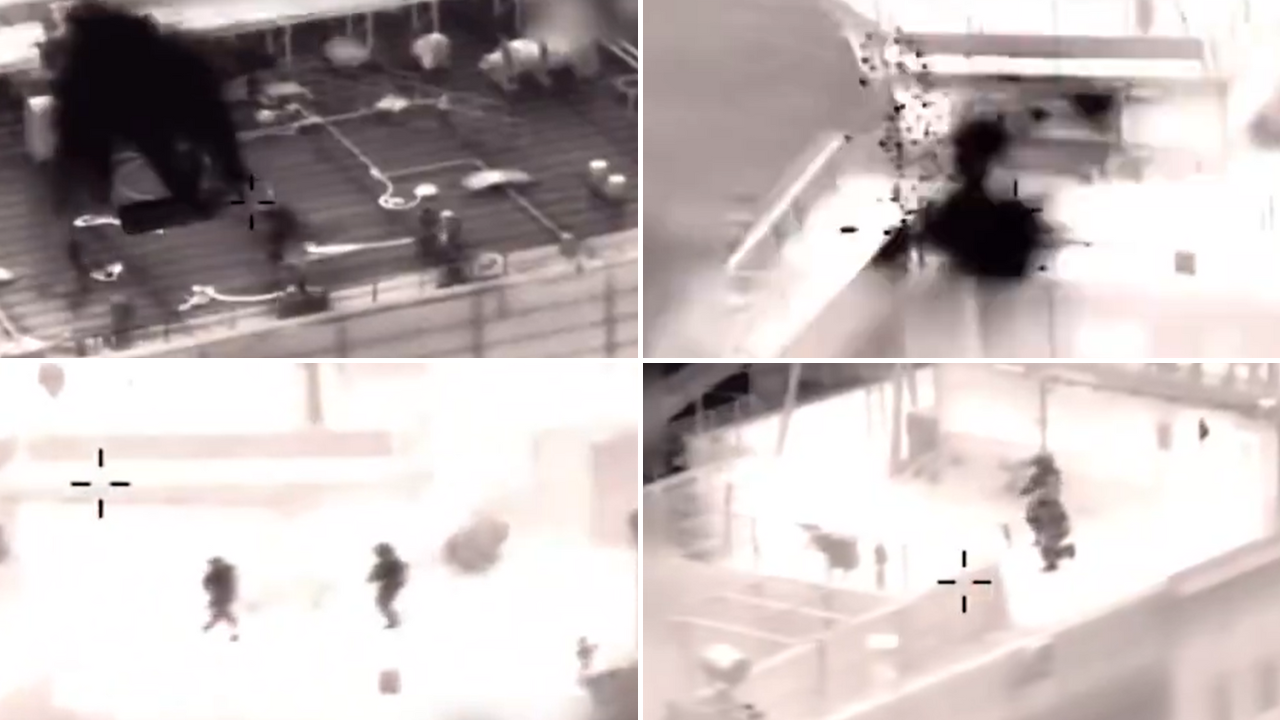
In a pre-dawn mission on January 9, 2026, U.S. Southern Command (SOUTHCOM) forces boarded and seized the oil tanker Olina in the Caribbean, part of an ongoing campaign to disrupt vessels circumventing sanctions on Venezuela's Maduro regime. The operation, detailed by Fox News, underscores Washington's determination to enforce economic restrictions aimed at curbing illicit oil trade that funds the Venezuelan government's activities. Times of India reported a separate interception of another sanctioned tanker in the same waters, capturing video footage of U.S. personnel "owning the sea" amid rising tensions over maritime control.
These actions come against the backdrop of long-standing U.S. sanctions on Venezuela, imposed since 2019 to pressure President Nicolás Maduro amid allegations of human rights abuses, electoral fraud, and corruption. The Treasury Department's Office of Foreign Assets Control (OFAC) has repeatedly targeted "shadow fleet" tankers that shuffle Venezuelan crude to buyers in Asia and elsewhere, evading tracking via ship-to-ship transfers and flag changes. SOUTHCOM, responsible for the region, has ramped up patrols under Trump's second term, reflecting a broader pivot toward assertive enforcement.
Simultaneously, Trump has thrown his support behind a bipartisan congressional bill imposing fresh sanctions on Russia and countries purchasing its discounted energy exports. According to Newsmax, citing the New York Post, the president publicly endorsed the long-stalled measure on January 8, 2026, though its legislative path remains uncertain amid partisan gridlock. The bill targets nations like China and India that have increased imports of Russian oil post the 2022 Ukraine invasion, aiming to squeeze Moscow's war funding. Trump's backing marks a departure from his first-term skepticism toward some Russia sanctions, aligning with heightened U.S. efforts to isolate President Vladimir Putin.
This flurry of activity feeds into what critics and analysts describe as Trump's "Donroe Doctrine" — a play on the Monroe Doctrine, blending diplomatic overtures with military brinkmanship. A Times of India analysis on January 9 highlighted recent U.S. interventions in Venezuela and Iran, portraying Trump as pursuing peace through strength while casting a shadow over potential targets including Greenland, Colombia, Mexico, and others. The piece notes aggressive actions like strikes or seizures, positioning the U.S. as reshaping global politics through forceful assertion. While the article speculates on future escalations, it underscores confirmed operations, such as those against Venezuelan shipping, as emblematic of this approach.
Background on U.S. Sanctions Strategy
U.S. sanctions policy has evolved significantly under Trump. Venezuela sanctions, intensified since recognizing opposition leader Juan Guaidó as interim president in 2019, have cost Maduro's regime billions, though evasion persists via a ghost fleet of over 600 tankers. Recent SOUTHCOM seizures build on similar 2025 operations, where U.S. Coast Guard and Navy teams disabled tracking systems on vessels like the Savona.
On Russia, Congress has passed multiple sanction packages since 2022, including the CAATSA expansions and price caps on oil. The delayed bill Trump now supports would penalize secondary buyers, echoing 2017 legislation he reluctantly signed. As of early 2026, Russian oil revenues remain a lifeline for its Ukraine war, with exports hitting record highs despite G7 caps.
The Caribbean tanker incidents highlight operational risks: U.S. forces faced resistant crews in past boardings, prompting armed deployments. SOUTHCOM Commander Gen. Laura Richardson emphasized in prior statements the command's role in countering "malign actors" threatening regional stability.
Quotes from Key Figures
U.S. officials have framed these moves as defensive. A SOUTHCOM spokesperson told Fox News the Olina seizure was "a critical step in upholding international sanctions and denying resources to adversarial regimes." Trump, in endorsing the Russia bill, reportedly stressed to allies the need to "hit them where it hurts — their wallets," per Newsmax.
Venezuela's Foreign Ministry condemned the actions as "piracy," vowing retaliation, while Russian officials dismissed the sanctions push as futile.
Outlook
These developments signal a resurgent U.S. geopolitical posture under Trump, prioritizing sanctions enforcement and deterrence. As Congress debates the Russia bill and SOUTHCOM eyes further intercepts, allies and adversaries alike are recalibrating. The Caribbean operations may deter shadow fleets short-term, but long-term efficacy hinges on multilateral buy-in from Europe and Asia. With Trump's doctrine evoking Cold War-era assertiveness, global flashpoints from the Middle East to Latin America remain under scrutiny, testing the balance between coercion and diplomacy.
(Word count: 712)






