
US Raid Captures Maduro, Triggers Oil Handover and Geopolitical Ripples in Venezuela
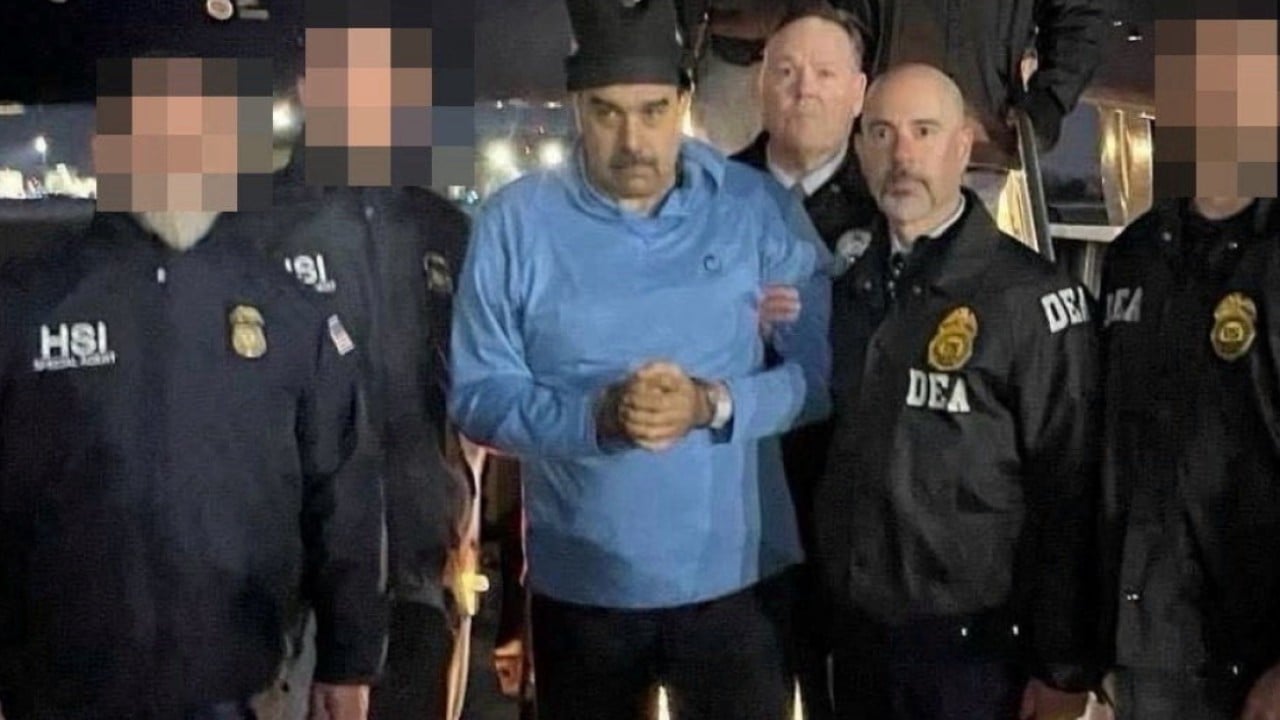
Caracas, Venezuela — In a stunning military operation, U.S. special forces captured Venezuelan President Nicolás Maduro and his wife at their Caracas residence early Saturday, escalating a long-simmering crisis into open confrontation and prompting immediate geopolitical fallout, including oil transfer deals and defiance from Venezuelan interim leadership.
The raid, which resulted in unspecified Venezuelan casualties, has thrust Venezuela into turmoil. Maduro and his wife now face federal charges in the United States for narcoterrorism and drug trafficking, charges Washington has pursued amid years of accusations that Maduro's regime facilitated cocaine trafficking through Venezuela. Reports indicate the operation shocked global observers, with U.S. President Donald Trump quickly leveraging the development to announce plans for refining and selling up to 50 million barrels of Venezuelan oil previously stalled under U.S. sanctions.
Trump, speaking on Tuesday, described the oil handover — estimated at 30 to 50 million barrels — as a mutual benefit for Venezuelans and Americans. "Venezuela is turning over 30 million to 50 million barrels of oil to the United States," Trump stated, according to multiple reports. The oil, stuck in Venezuela due to a U.S. blockade, signals potential coordination between Washington and elements of the post-raid Venezuelan government, even as tensions persist.
Venezuela's interim leader, Delcy Rodríguez — a close Maduro ally and former vice president — has rejected U.S. claims of control over the country. "We are in charge," Rodríguez declared, announcing a seven-day period of national mourning for those killed in the U.S. operation. Thousands of Maduro supporters took to the streets of Caracas demanding his release, underscoring deep divisions in the oil-rich nation.
The Trump administration has laid out stringent conditions for resuming Venezuelan oil production. Officials conveyed to Rodríguez that her government must sever economic ties with China, Cuba, and Russia before additional pumping can occur. "Partner only with the US on oil," the message read, per U.S. sources. This demand reflects broader U.S. efforts to isolate Maduro's former allies, amid reports of preliminary openness to talks on drug trafficking issues just days before the raid.
In parallel, the U.S. is encouraging the repatriation of over 600,000 Venezuelans who lost Temporary Protected Status (TPS) under the Trump administration last year. Homeland Security officials, including figures like Kristi Noem, urged them to return home, citing the Maduro capture as a stabilizing factor.
Background: Venezuela's Long Crisis and U.S. Involvement
Venezuela's political and economic meltdown dates back to 2013, when Maduro succeeded Hugo Chávez amid plunging oil prices, hyperinflation, and widespread shortages. U.S. sanctions intensified after 2017, targeting Maduro's inner circle over human rights abuses, election fraud, and alleged narco-trafficking ties. In 2019, the U.S. recognized opposition leader Juan Guaidó as interim president, though Maduro retained control with support from Russia, China, Cuba, and Iran.
Pre-raid tensions had shown flickers of dialogue. On January 2, Maduro expressed willingness for U.S. talks amid claims of American strikes on Venezuelan drug infrastructure. A day later, he reiterated openness on drug trafficking while dodging questions about a reported U.S. attack. These overtures collapsed into the Saturday raid, which analysts link to narcoterrorism charges built over years.
Geopolitically, the operation reverberates beyond the Americas. In Asia, authoritarian leaders fear a "Maduro effect," drawing closer to Moscow and Beijing out of wariness toward U.S. interventionism, according to the South China Morning Post. Separately, a former Trump adviser claimed Russia offered the U.S. a "free hand" in Venezuela in exchange for Ukraine concessions, highlighting great-power bargaining.
Outlook: Fragile Transition Amid Defiance
As Rodríguez leads a mourning nation, the U.S. signals potential talks with Caracas while enforcing oil conditions. Al Jazeera reported Rodríguez vowing that "no foreign agent is in charge," amid Trump's assertions of control over oil sales and proceeds.
The raid resolves a key U.S. objective but risks prolonged instability. With Maduro's capture, Venezuela's opposition may regroup, but loyalty to the socialist regime remains strong. International actors like Russia and China — key creditors holding Venezuelan debt — could complicate normalization. For now, the oil handover offers economic relief prospects, but geopolitical demands underscore a high-stakes U.S. push for realignment.
(Word count: 712)