
US Military Strikes Rock Venezuela: Explosions in Caracas Follow Drone Attack on Drug Facility, Prompting Global Concern
Caracas, Venezuela – A U.S. drone strike on a Venezuelan facility linked to drug trafficking on December 31, 2025, has escalated into a series of at least seven explosions in the capital Caracas on January 3, 2026, amid reports of low-flying aircraft overhead. The incidents, described by U.S. officials as targeted actions against criminal networks, have unleashed chaos in the streets, captured in vivid imagery, and drawn international calls for restraint.
The sequence of events began on Wednesday, December 31, 2025, at approximately 9:45 a.m. GMT, when the U.S. president announced a strike on a facility in Venezuela allegedly tied to drug trafficking operations. According to reports, the operation involved a CIA drone, marking a rare public acknowledgment of such action on Venezuelan soil. This move comes amid longstanding U.S. accusations that elements within Venezuela, including factions aligned with President Nicolás Maduro's government, facilitate cocaine smuggling to the United States and Europe. The U.S. has imposed extensive sanctions on Venezuelan officials and entities over drug trafficking, corruption, and human rights abuses since the early 2010s.
Days later, early on Saturday, January 3, 2026, at 7:22 a.m. GMT, Caracas awoke to a barrage of explosions rippling through the city. Witnesses reported at least seven blasts, accompanied by low-flying aircraft maneuvering over the capital. The severity of the event was classified as critical, with emergency services responding to scenes of destruction in eastern Caracas. While Venezuelan authorities have not issued an official tally of casualties, the strikes have heightened fears of broader confrontation.
A poignant human element emerged from the night's terror, as documented by Associated Press photographer Matías Delacroix. At 2:05 a.m. on January 3, 21-year-old Mariana Camargo was seen dashing through the humid streets of eastern Caracas as explosions boomed in the distance. Delacroix's photograph, showing Camargo fleeing amid the chaos, has become an iconic symbol of the fear gripping residents. "It was the night's fear and chaos captured in one frame," the image underscores the immediate peril faced by civilians in Maduro's stronghold.
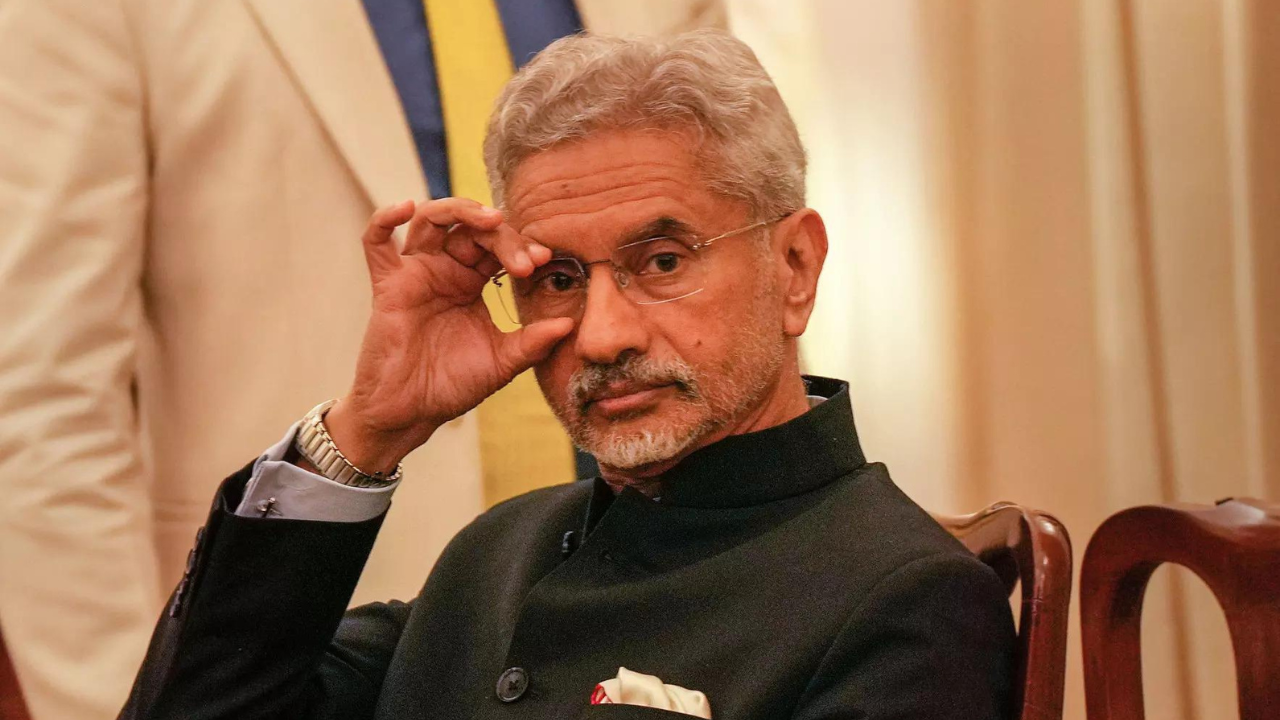
International reaction has been swift. On January 7, 2026, India's External Affairs Minister S. Jaishankar expressed deep concern over the U.S. strikes, urging all nations to prioritize the safety of people affected. "India urges nations to prioritise people’s safety," Jaishankar stated, reflecting New Delhi's balanced foreign policy amid its growing ties with both the U.S. and Latin American nations. This comes as Venezuela's crisis reverberates globally, with allies like Russia and China previously condemning U.S. interventions, while opposition figures in Venezuela have long called for action against criminal enterprises.
Background on U.S.-Venezuela Tensions
The strikes occur against a backdrop of deteriorating relations between Washington and Caracas spanning over two decades. Venezuela's oil-rich economy collapsed under hyperinflation and mismanagement during Maduro's tenure, exacerbated by U.S. sanctions imposed since 2017. The U.S. designated Venezuela's military and intelligence services as drug kingpins in 2020, citing their role in transporting narcotics via the "Cartel of the Suns." Maduro, who retained power after disputed 2024 elections widely criticized as fraudulent by Western observers, has accused the U.S. of orchestrating coups and hybrid warfare.
Previous U.S. actions include the 2019 recognition of opposition leader Juan Guaidó as interim president and naval deployments in the region. Drug trafficking remains a flashpoint: Venezuela's porous borders and corrupt institutions have made it a key transit point for cocaine from Colombia, with the United Nations Office on Drugs and Crime estimating significant flows northward. The recent drone strike echoes U.S. operations in other theaters, such as those against ISIS or in Yemen, where precision munitions target high-value threats.
On-the-Ground Impact and Venezuelan Response
In Caracas, the explosions have disrupted daily life in a city already strained by shortages and blackouts. Eastern neighborhoods, home to working-class supporters of Maduro, bore the brunt, with reports of damaged structures and panicked evacuations. President Maduro has yet to convene a public address specifically on these events as of January 7, but state media has framed prior U.S. actions as acts of aggression.
The incidents risk inflaming Venezuela's polarized politics, where opposition protests have waned but discontent simmers. Humanitarian groups warn of potential refugee outflows, building on the 7.7 million Venezuelans who have fled since 2014, according to UNHCR data.
As investigations continue, the strikes highlight the intersection of counter-narcotics enforcement and great-power rivalry. With no immediate claims of responsibility beyond the U.S. announcement, attention turns to diplomatic channels. India's plea underscores a broader call from neutral powers for de-escalation, amid fears that Venezuela's instability could destabilize the hemisphere.
(Word count: 712)






