
US Military Strikes on Venezuela Kill 32 Cuban Personnel, Prompting Havana's Condemnation
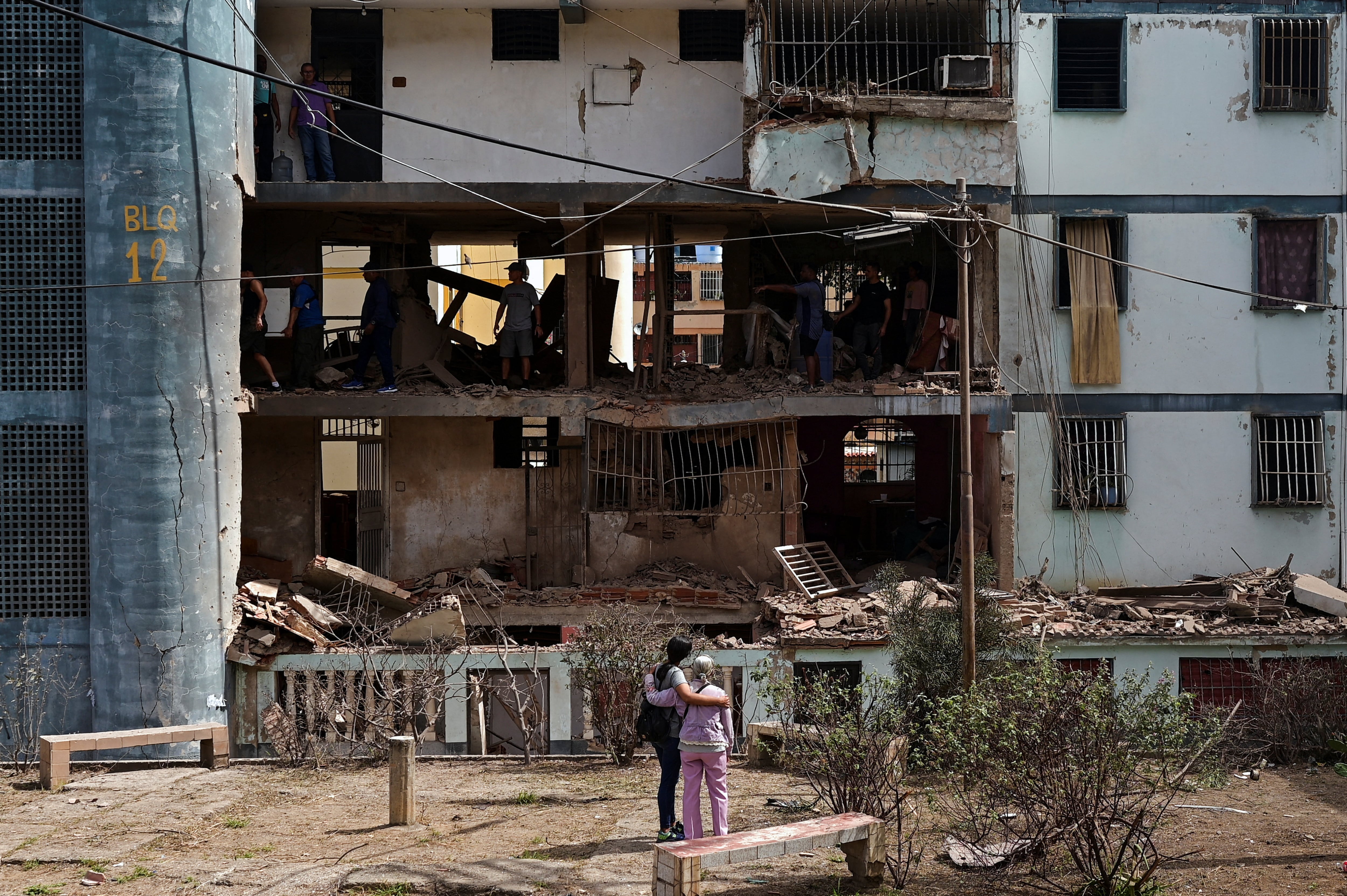
Washington/Caracas/Havana — The United States launched military action against Venezuela on January 3, 2026, marking a dramatic escalation in tensions with President Nicolás Maduro's government. Cuba has confirmed the deaths of 32 of its citizens in the strikes, identifying them as military and intelligence personnel embedded in Maduro's inner security detail, intensifying regional fallout from the operation.
The U.S. operation, initiated at approximately 10:06 GMT on Saturday, represents a high-severity intervention under President Donald Trump, who has openly pursued regime change in Caracas amid longstanding disputes over Venezuela's political crisis, economic collapse, and alleged human rights abuses. Details of the strikes remain limited, but Cuban officials described the victims as key advisors and protectors within Maduro's elite security apparatus, highlighting the deep military ties between Havana and its longtime ally.
In a formal statement released Monday, the Cuban government in Havana decried the attack as an "aggression against sovereignty" and vowed to support Venezuela's defense. "These brave compatriots were fulfilling their internationalist duties," the statement read, according to reports from El País. The deaths underscore Cuba's extensive involvement in Venezuela, where thousands of Cuban personnel have provided security, intelligence, and medical support to the Maduro regime since the early 2000s, in exchange for discounted Venezuelan oil.
U.S. officials have not yet commented directly on the Cuban casualties, but the strikes align with Trump's renewed hardline stance on Latin America following his inauguration. Trump has repeatedly accused Maduro of turning Venezuela into a "narco-state" and a hub for illicit activities, echoing designations from his first term when the U.S. imposed crippling sanctions and recognized opposition leader Juan Guaidó as interim president in 2019. The military action follows failed diplomatic efforts and a surge in migration from Venezuela, which has seen over 7 million people flee since 2014 due to hyperinflation, shortages, and political repression.
Venezuela's Long-Standing Crisis and U.S. Involvement
Venezuela's turmoil traces back to the death of President Hugo Chávez in 2013, whose socialist "Bolivarian Revolution" relied heavily on oil revenues that plummeted with global prices. Maduro's succession has been marred by disputed elections, including the contested 2018 vote and the 2024 presidential election, which the opposition claims was rigged. The U.S. response has evolved from sanctions targeting Maduro's inner circle—freezing billions in assets—to covert operations and, now, overt military engagement.
Cuba's role adds a Cold War-era dimension. Since Fidel Castro's era, Havana has dispatched advisors to Venezuela, bolstering Maduro's security amid assassination attempts and street protests. Reports from international observers, including the United Nations, have documented Cuban intelligence units operating alongside Venezuela's SEBIN secret police, raising concerns over authoritarian consolidation.
The strikes occurred amid heightened U.S. rhetoric. In recent speeches, Trump pledged to "liberate" Venezuela from "communist dictators," framing the action as necessary to counter threats from Iran-backed militias and Colombian guerrilla groups allegedly operating from Venezuelan territory. Maduro, in turn, has mobilized the military, declaring a "state of combat readiness" and accusing the U.S. of imperialism.
Regional Reactions and Escalation Risks
Latin American nations expressed alarm, with Brazil's President Luiz Inácio Lula da Silva calling for de-escalation and mediation through the Organization of American States (OAS). Russia and China, Venezuela's key backers, condemned the U.S. move, with Moscow warning of "grave consequences." Oil markets reacted sharply, with Brent crude jumping 5% on Monday due to fears of disrupted exports from Venezuela, holder of the world's largest proven reserves.
Humanitarian groups, including Human Rights Watch, urged restraint, citing the risk to civilians in a country already reeling from U.N.-estimated 7,700 deaths during 2019 protests. The International Criminal Court continues investigating Maduro for crimes against humanity, a probe the U.S. has supported.
As of January 5, no further U.S. strikes have been reported, but military assets—including naval vessels in the Caribbean—remain deployed. Maduro addressed supporters from the presidential palace, vowing resistance: "We will not kneel before empire." The incident risks broader conflict, potentially drawing in Cuban reinforcements or proxy forces.
The coming days will test international diplomacy. With Trump's administration signaling no retreat, and Maduro's allies rallying, the strikes could redefine U.S. hemispheric policy, echoing interventions in Iraq or Libya but in a volatile oil-rich neighborhood. Global leaders watch closely as the death toll—now at least 32 confirmed Cubans—mounts the pressure for resolution or retaliation.
(Word count: 612)