U.S. Military Strikes in Venezuela Lead to Maduro's Capture and Heightened Tensions
In a dramatic escalation of U.S.-Venezuela relations, the United States conducted a series of military strikes in Venezuela that culminated in the capture of President Nicolás Maduro and his wife. The strikes, which began on December 31, 2025, with a drone attack on a facility linked to alleged drug trafficking, have drawn international condemnation and raised concerns about regional stability.
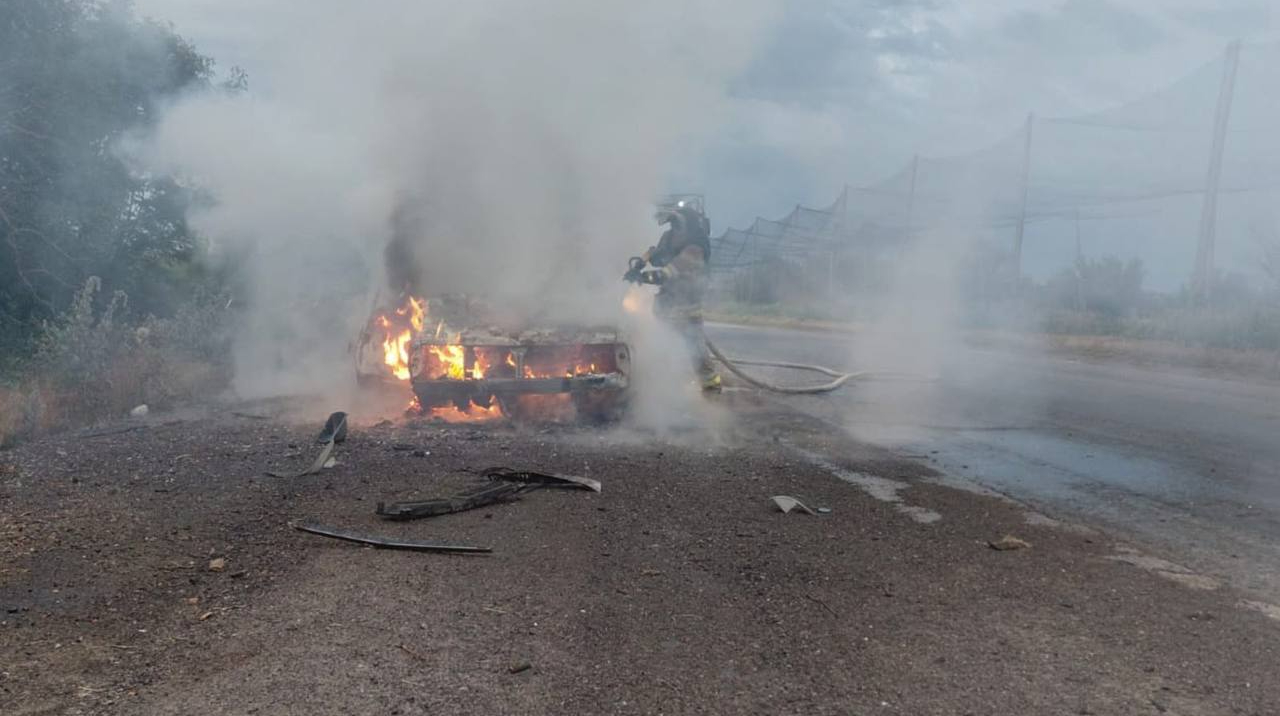
The initial drone strike reportedly involved a CIA-operated drone targeting a facility believed to house drug trafficking operations associated with the Venezuelan government. This operation marked a significant shift in U.S. policy towards Venezuela, where the Biden administration has been under pressure to take decisive action against Maduro's regime, which has been accused of widespread human rights violations and economic mismanagement.
On January 3, 2026, U.S. forces launched a large-scale military operation that resulted in Maduro's capture. The U.S. government claimed that this operation was necessary to disrupt the drug trafficking networks that have reportedly funded Maduro's regime and contributed to the destabilization of the region. The Pentagon stated that the strikes were conducted with minimal collateral damage, emphasizing a targeted approach against identified threats.
World leaders have expressed mixed reactions to the U.S. actions. A statement from South Korea's government urged all parties involved to de-escalate tensions following the strikes. The South Korean Foreign Ministry called for a peaceful resolution to the crisis, reflecting concerns that such military actions could exacerbate instability in Latin America and lead to further humanitarian crises.
The international community has been largely polarized regarding the U.S. intervention. Many leaders, while acknowledging the complexities of the situation in Venezuela, have condemned the military strike as a violation of sovereignty. The BBC reported that several countries have expressed shock at the unilateral military action, with calls for diplomatic negotiations to resolve the ongoing crisis.
In Venezuela, the impact of the U.S. strikes has been immediate and severe. The Venezuelan government announced the temporary closure of its border with Brazil, citing security concerns. This move is indicative of the heightened state of alert within the country, as officials brace for potential unrest among the population and retaliatory actions from the government. Analysts warn that the recent military actions could trigger a new wave of emigration from Venezuela, further straining neighboring countries already grappling with the influx of Venezuelan refugees.
The strikes have also drawn attention to the broader implications of U.S. military involvement in Latin America, a region with a complicated history of foreign intervention. Critics of the strikes argue that such actions could lead to a cycle of violence and instability, undermining any potential for peaceful resolution and reconstruction in Venezuela.
As the situation continues to unfold, the international community watches closely, with hopes that diplomatic solutions can prevail over military confrontation. The U.S. administration faces significant pressure to justify its actions, especially in light of the potential for escalating conflict in a region already marked by political turmoil.
In conclusion, the U.S. military strikes in Venezuela represent a critical juncture in U.S.-Latin American relations, with far-reaching consequences for regional stability and humanitarian conditions. The coming days and weeks will be pivotal in determining the future of Venezuela and its people, as well as the broader implications for international diplomacy in the region.